
Moving & Transportation
Does Engine Oil Stop Leak Work?


Engine oil stop leak products can sometimes work to temporarily reduce or stop small oil leaks in the engine, but their effectiveness depends on the nature and size of the leak. These products are designed to swell and soften seals and gaskets that may have become hardened or brittle over time, helping to seal minor leaks. However, they are not a permanent solution and may not work for larger or more serious leaks.
⚙️ How Engine Oil Stop Leak Works
1. Seal Swelling and Softening
Most engine oil stop leak products contain additives that can cause seals and gaskets to expand or soften. This helps fill in small cracks or gaps where oil may be leaking, temporarily stopping or reducing the leak. The product is typically mixed into the engine oil and circulates through the system as the engine runs.
2. Formulation
These products often contain substances like:
- Acrylic resins: Which help to rejuvenate seals and gaskets.
- Polymers: That can swell and soften rubber and plastic components in the engine.
- Sealant agents: Which are designed to create a temporary barrier to oil leakage.
3. Temporary Solution
Oil stop leak products may be effective for minor leaks, such as small leaks around the valve seals, gaskets, or other rubber seals. However, they are typically not a permanent fix, especially for major or structural leaks, and the problem may return after some time.
🚗 When Engine Oil Stop Leak Can Be Useful
- Minor Leaks: Small leaks caused by aging seals, gaskets, or o-rings can sometimes be temporarily sealed using an oil stop leak product.
- Older Engines: Vehicles with older engines that have seals or gaskets that are starting to dry out or crack may benefit from a stop leak product, but the improvement may be temporary.
- Convenient Quick Fix: If you’re facing a minor oil leak and need a quick, low-cost solution to prevent losing too much oil, an engine oil stop leak product might offer a temporary solution until you can address the problem properly.
🚗 When Engine Oil Stop Leak May Not Work
- Major Leaks: If the leak is caused by a larger crack or a mechanical issue (like a cracked block or a broken gasket), the stop leak will likely not work, and professional repair will be needed.
- Internal Engine Damage: If the leak is due to internal engine damage, such as worn piston rings or a damaged cylinder, oil stop leak products will not be effective.
- Persistent Leaks: If the seal or gasket is severely damaged, the stop leak will not provide a long-term solution, and you will eventually need to replace the damaged parts.
🚗 Best Practices for Oil Leaks
While oil stop leak products can be a temporary fix, they are not a replacement for proper maintenance. For a lasting solution:
- Identify the Source: Have a mechanic diagnose the source of the leak. In many cases, replacing the faulty seals or gaskets will resolve the issue permanently.
- Regular Oil Changes: Keep up with regular oil changes to ensure that your engine runs efficiently and that the seals and gaskets remain in good condition.
- Monitor Leaks: If you use a stop leak, continue to monitor the oil level and leak area to ensure that the problem doesn’t worsen.
✅ Final Answer
Engine oil stop leak products can temporarily reduce or stop minor oil leaks, especially if they are caused by aging or brittle seals. However, they are not a permanent solution, and their effectiveness can vary depending on the size and severity of the leak. For major leaks or structural engine issues, the only permanent solution is to have the damaged parts repaired or replaced by a professional mechanic.

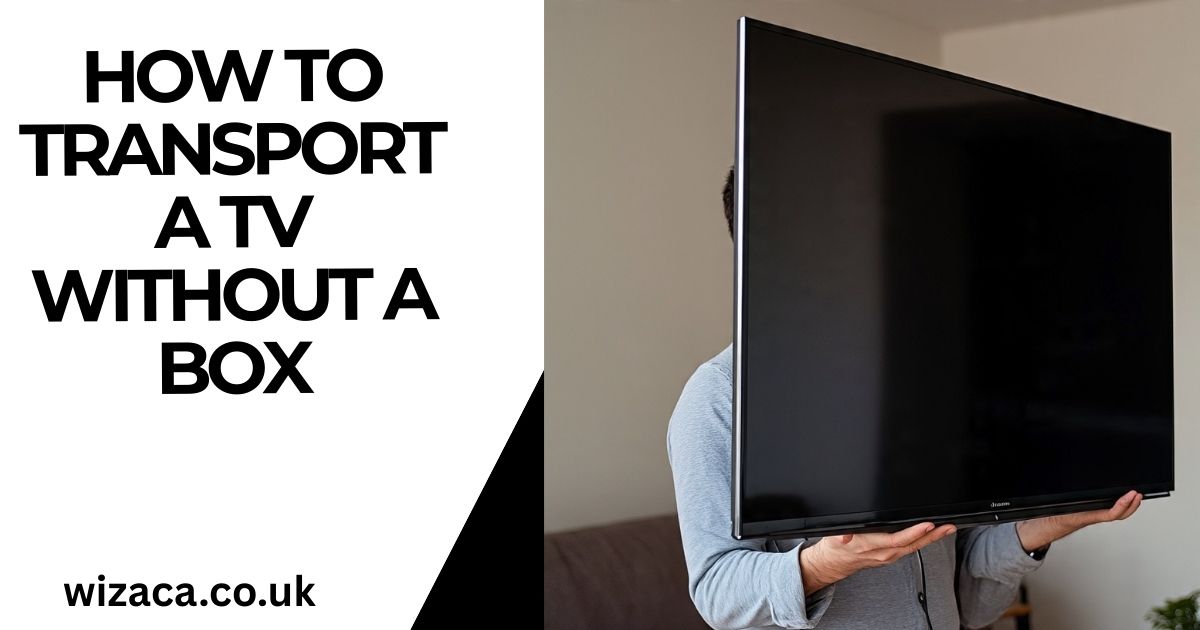
Transporting a TV without a box can be tricky, but with the right techniques and precautions, you can ensure that your TV arrives at its destination safely. TVs, especially large flat-screen models, are delicate and can be easily damaged during transit if not properly handled. In this guide, we’ll show you how to transport a TV without a box and minimize the risk of any damage.
Why is it Important to Use Proper Protection?
The screen of your TV is fragile, and even a small impact can cause cracks, scratches, or other damage. When transporting your TV without a box, it’s essential to provide adequate padding and protection to prevent the TV from being jolted or scratched.
Materials You’ll Need
- Blankets or Moving Pads: For cushioning and protecting the TV.
- Bubble Wrap or Foam Sheets: For additional padding and protection around the screen.
- Packing Tape: To secure the bubble wrap or foam sheets.
- Cardboard Sheets: To reinforce the TV.
- Straps or Ropes: For securing the TV in place during transport.
- Towels or Soft Cloths: To cover and protect the screen.
Step-by-Step Guide to Transporting a TV Without a Box
Step 1: Clean the TV
Before you begin the packing process, clean the TV screen and its edges using a microfiber cloth. This will remove any dust or particles that could cause scratches during transport.
Step 2: Protect the TV Screen
The most fragile part of the TV is the screen, so it’s essential to take extra precautions to protect it.
- Wrap the Screen with Soft Cloth: Lay the TV flat on a soft surface and cover the screen with a towel or soft cloth to prevent any scratches.
- Add Bubble Wrap or Foam Sheets: Wrap the entire screen with a layer of bubble wrap or foam sheets. If using bubble wrap, ensure the bubbles face inward to provide cushioning. Secure the wrap with packing tape, but avoid taping directly on the screen. The goal is to provide padding but not put any pressure on the display.
Step 3: Add Protection Around the TV
- Use Moving Blankets or Pads: Lay moving blankets or pads over the entire TV, covering all sides. This will help protect the TV from bumps, jolts, and impacts during transport. You can also use extra towels or soft fabrics to fill in any gaps between the TV and the blankets for added cushioning.
- Reinforce the TV with Cardboard: If you have any spare cardboard sheets, you can cut them to fit the sides and back of the TV. This will help reinforce the TV and protect it from minor impacts. Avoid using too much cardboard around the screen, as it could add unnecessary pressure.
Step 4: Secure the TV
- Use Straps or Ropes: Once the TV is fully wrapped and protected, secure it with straps or ropes. If you’re using a vehicle for transport, make sure the TV is firmly secured to prevent it from shifting. If you’re transporting the TV in a car or moving truck, place it upright against a soft surface and strap it in place.
- Place the TV in a Secure Position: Ensure that the TV is standing upright (screen side facing inward) during transport. Avoid laying the TV flat on its screen as this could put pressure on the fragile display and cause damage.
Step 5: Transport the TV Carefully
- Drive Slowly: If you’re transporting the TV in a car or truck, drive slowly and avoid sudden stops or sharp turns. Even though the TV is wrapped and secured, rough handling can still cause internal damage or jar the protective layers.
- Avoid Extreme Temperatures: Don’t expose the TV to extreme temperatures, whether too hot or too cold. Try to keep it in a climate-controlled environment throughout the transport process.
Step 6: Unloading the TV
When you arrive at your destination, unload the TV carefully.
- Check for Damage: Before you unstrap or unwrap the TV, check for any visible damage, like cracks or dents. If you notice any issues, address them immediately.
- Unwrap and Inspect: Once the TV is in its new location, gently remove all the protective wrapping and check the screen and other components for any damage. If everything looks good, set the TV up in its new spot and reconnect it.
Additional Tips for Transporting a TV Without a Box
- Use a Moving Truck: If possible, use a moving truck with padded walls to transport your TV. This will help minimize any jostling or movement during the trip.
- Avoid Stacking: Never stack anything on top of the TV during transport. The weight could cause damage to the screen or other components.
- Take Your Time: Don’t rush the packing, loading, and unloading process. Carefully wrapping and securing the TV will save you time and frustration in the long run.
Conclusion
Transporting a TV without a box can be done safely with proper precautions. By wrapping the screen with soft cloth, bubble wrap, and moving blankets, and ensuring the TV is securely strapped in place, you can prevent damage during transport. Always handle the TV with care and take extra precautions to protect the fragile screen. By following these steps, you’ll ensure that your TV reaches its new destination in perfect condition.
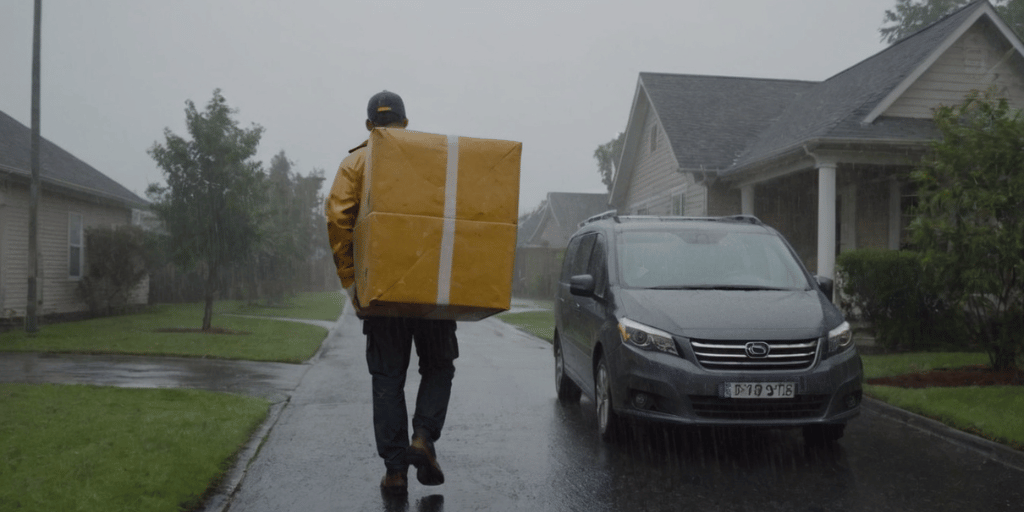
Yes, FedEx does deliver in the rain. FedEx operates in all weather conditions, including rain, snow, and other adverse weather, unless there are safety concerns that would prevent drivers from completing their deliveries. Their delivery operations are designed to continue running regardless of weather conditions, although extreme weather events (like hurricanes, floods, or snowstorms) could potentially cause delays.
⚙️ What to Expect During Rainy Weather
- Delivery Delays: While FedEx drivers are trained to deliver in all conditions, heavy rain or severe weather could lead to delays, especially in areas that are difficult to access due to flooding or hazardous conditions.
- Package Protection: FedEx takes precautions to ensure packages are protected during delivery, but there may be instances where the packaging could be slightly damp due to rain, depending on the packaging materials and how the package is handled.
- Tracking Updates: If there are any delays or changes due to weather conditions, FedEx typically updates the tracking information, allowing customers to monitor their package status in real-time.
🚗 Weather-Related Delivery Adjustments
- Severe Weather: In cases of extreme weather like hurricanes or blizzards, FedEx may adjust its service or delivery times based on local safety protocols. However, rain alone will not prevent deliveries from being made.
- Delivery Safety: FedEx drivers are trained to prioritize safety. If weather conditions are hazardous (such as flooding or unsafe driving conditions), there could be temporary service interruptions, but these are rare.
✅ Final Answer
Yes, FedEx delivers in the rain. Regular rain does not stop FedEx from making deliveries, although extreme weather conditions may cause delays or service interruptions. Generally, FedEx is well-equipped to handle all types of weather, including rain, to ensure timely deliveries.
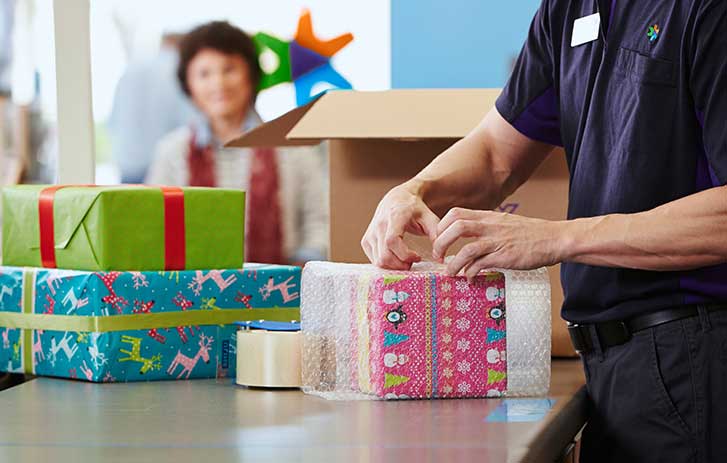
No, FedEx does not sell gift cards directly. FedEx is a logistics and shipping company, and while it offers a wide range of services related to parcel delivery, packaging, and shipping, it does not sell gift cards for retail or online use like stores or financial institutions do.
However, FedEx Office locations may sell prepaid cards or other forms of payment options, such as Visa or Mastercard gift cards, but these are typically for general use and not specific to FedEx services. These cards can be used at multiple merchants, including possibly for online purchases.
⚙️ What FedEx Offers
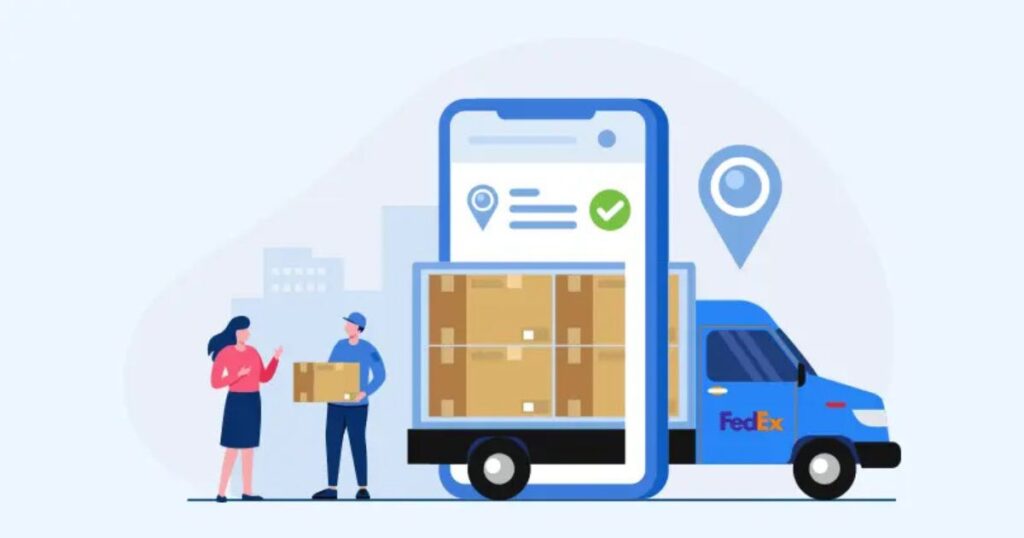
- Shipping Services: FedEx is primarily focused on parcel delivery and related services, such as express shipping, freight, and international shipping.
- Prepaid Cards at FedEx Office: While FedEx does not sell traditional gift cards for retailers, they may carry prepaid Visa/Mastercard cards in some of their office or retail locations. These cards can be used like debit cards for shopping, including at stores or online.
🚗 Where to Buy Gift Cards
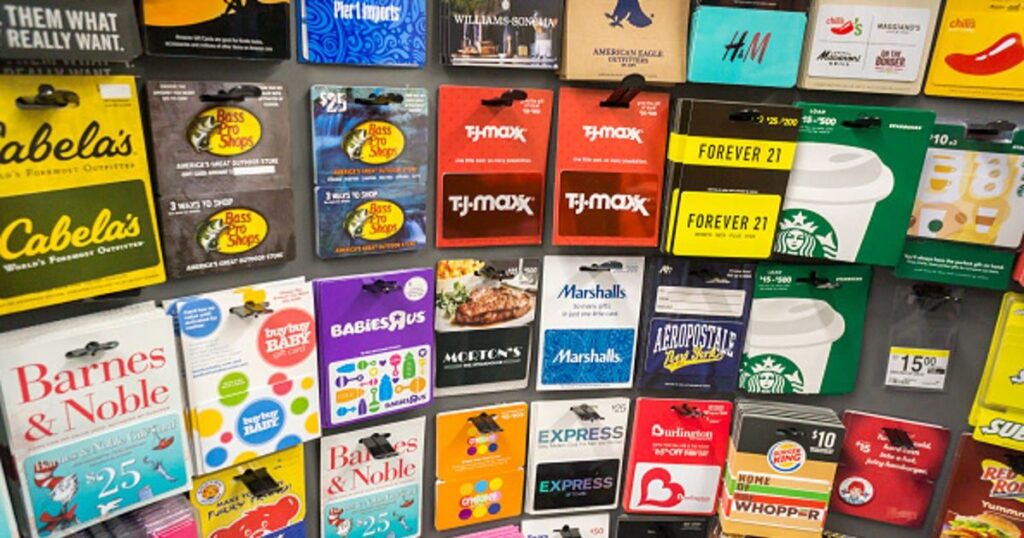
If you’re looking to buy gift cards for specific retailers or services, you would typically go to:
- Retail stores: Major retailers like Walmart, Target, and grocery stores sell a wide variety of gift cards.
- Online retailers: Websites like Amazon or eBay offer a range of gift cards for popular brands.
- Banks or financial institutions: Many banks and credit card companies also sell gift cards.
✅ Final Answer
FedEx does not sell gift cards for retail purposes. They do sell prepaid cards at some locations, but these are general-use cards, not specific to gift card purchases for stores. For traditional gift cards, you would need to visit a retail store or online retailer.

4029339118: Complete Guide, Meaning, Purpose, and Important Information

2566966212: Complete Guide, Identification, Uses, and Important Details

4023164651: Meaning, Details, and Complete Information Explained

Does a Check Engine Light Fail Inspection?
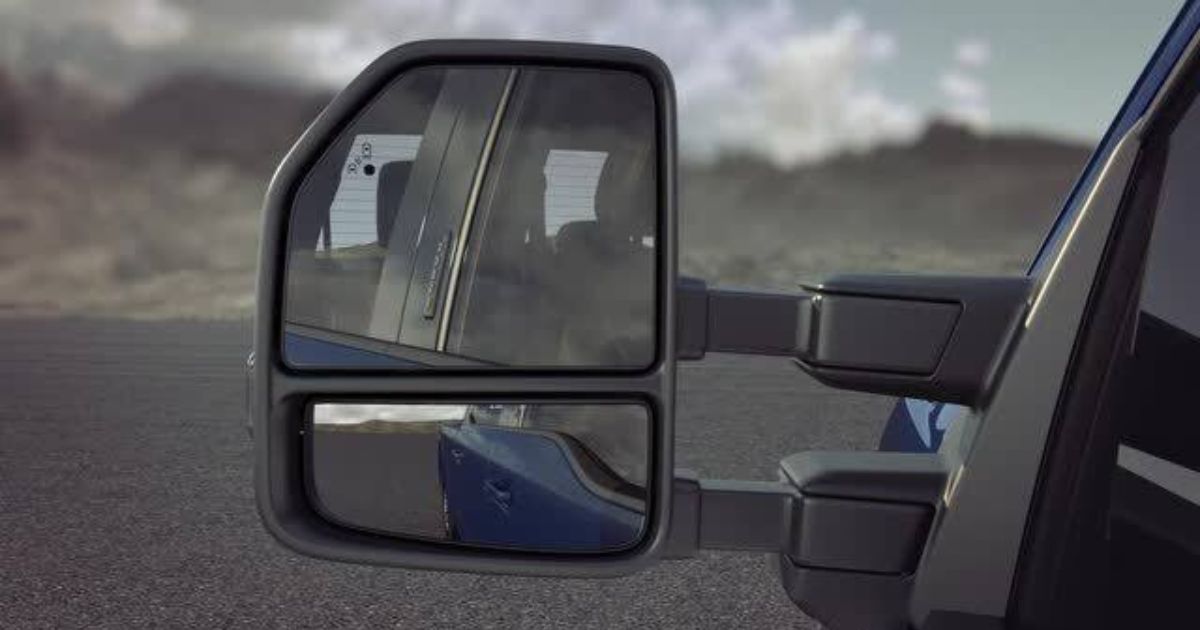
How to Adjust U-Haul Mirrors for Safe Driving
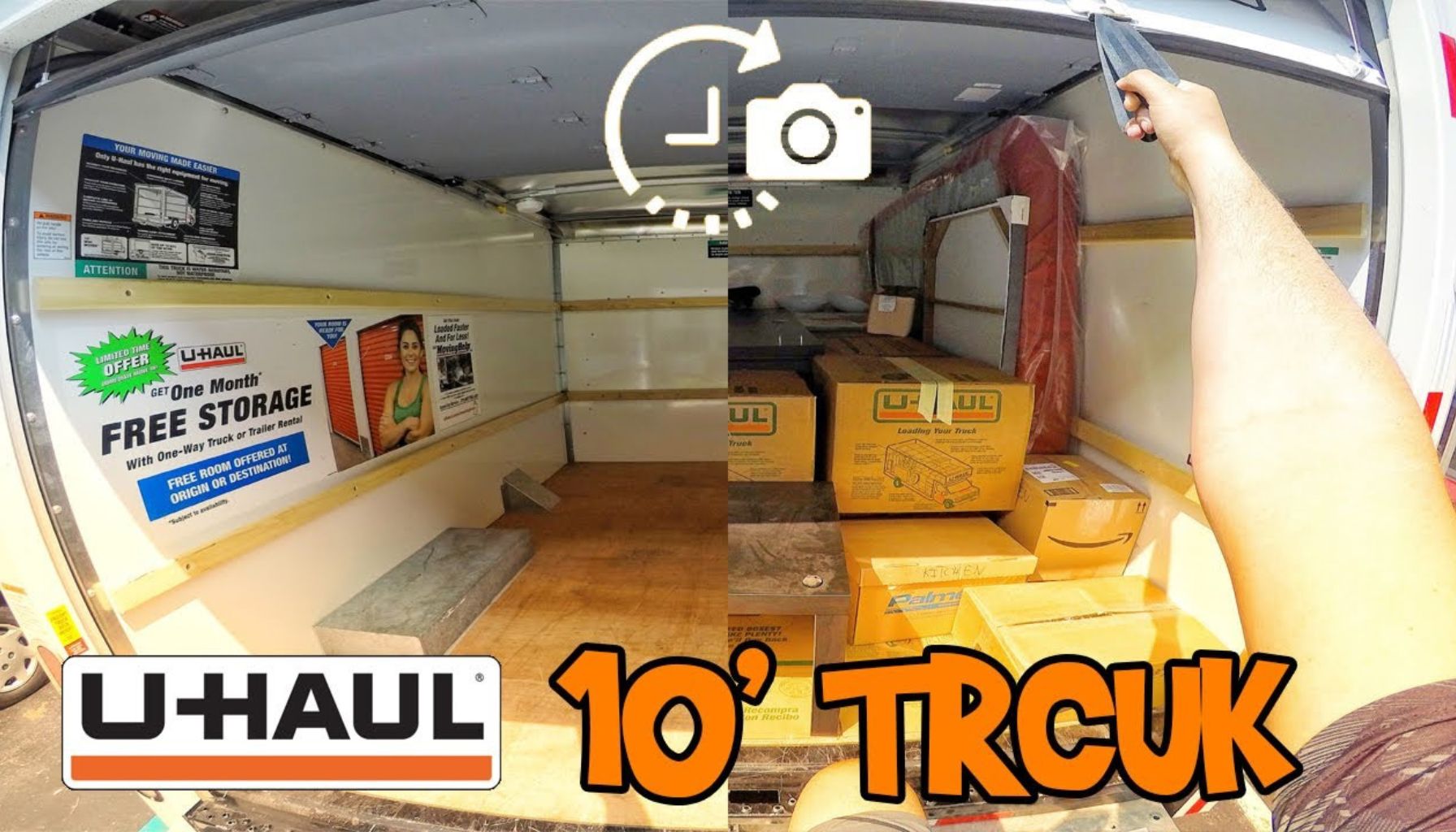
How to Load a 10′ U-Haul Truck Efficiently
-

 Blog2 weeks ago
Wrenwylde26: Complete Overview, Meaning and Latest Information
-

 General2 weeks ago
Dixkidzoz: Complete Guide, Features, Benefits, and Latest Information
-
 General2 weeks ago
4023164651: Meaning, Details, and Complete Information Explained
-
 General2 weeks ago
2566966212: Complete Guide, Identification, Uses, and Important Details
-
 General1 week ago
4029339118: Complete Guide, Meaning, Purpose, and Important Information