
Business
Procore Technologies Competitors and Alternatives Explained


Procore Technologies is a widely recognized platform in the construction industry, offering cloud-based solutions for project management, collaboration, and financial tracking. As the construction sector increasingly adopts digital tools, Procore has established itself as a major player. However, it operates in a highly competitive environment, with numerous companies providing similar or alternative solutions tailored to different needs. Understanding Procore Technologies competitors requires examining the broader landscape of construction software within the field of Construction Management and how various platforms differentiate themselves.
The competition in this space is driven by innovation, pricing strategies, feature sets, and the ability to address specific industry challenges. Each competitor brings unique strengths, targeting different segments of the market, from small contractors to large enterprise-level construction firms.
Overview of the Construction Software Market
The construction software market has grown significantly in recent years due to the demand for efficiency, transparency, and real-time collaboration. Traditional methods of managing construction projects often involve manual processes and fragmented communication, which can lead to delays and errors.
Modern platforms aim to centralize data, streamline workflows, and improve decision-making. Procore is one of many solutions designed to achieve these goals, but it faces strong competition from both established companies and emerging startups.
The market includes a wide range of tools, such as project management software, cost estimation systems, scheduling platforms, and field management applications. This diversity creates a dynamic environment where companies must continuously innovate to remain competitive.
Key Competitors in the Industry
Several companies compete directly or indirectly with Procore Technologies by offering similar functionalities or targeting the same customer base. One of the major competitors is Autodesk, which provides construction solutions through its suite of tools, including project management and design integration. Autodesk’s strength lies in its deep integration with design and engineering software, making it a preferred choice for firms that require seamless workflows between design and construction phases.
Another significant competitor is Oracle, particularly through its construction and engineering solutions. Oracle offers enterprise-level platforms that focus on large-scale projects, providing advanced features for cost control, risk management, and analytics.
Trimble is also a key player in this space, offering solutions that combine hardware and software to enhance construction efficiency. Trimble’s focus on precision and data integration makes it a strong competitor for companies that require detailed project insights.
Buildertrend targets residential construction and smaller contractors, offering user-friendly tools for project management, scheduling, and customer communication. Its accessibility and ease of use make it a popular alternative to Procore for smaller businesses.
PlanGrid, which has been integrated into Autodesk’s ecosystem, provides document management and field collaboration tools. Its focus on simplifying access to project documents makes it a valuable tool for on-site teams.
Feature Comparison and Differentiation
Procore Technologies competitors differentiate themselves through their features and capabilities. While Procore offers a comprehensive platform that covers project management, financials, and collaboration, competitors often focus on specific areas to create a competitive edge.
Autodesk, for example, emphasizes integration with design tools, allowing users to move seamlessly from planning to execution. Oracle focuses on enterprise-level solutions with advanced analytics and scalability. Trimble integrates hardware solutions, such as GPS and surveying tools, with its software to provide a more comprehensive approach.
Buildertrend stands out for its simplicity and affordability, making it accessible to smaller businesses. PlanGrid, on the other hand, excels in document management and field accessibility, ensuring that teams have the information they need at all times.
These differences highlight the importance of selecting a platform that aligns with specific project requirements and organizational goals.
Pricing and Accessibility
Pricing is a critical factor in the competition among construction software providers. Procore is often considered a premium solution, which may be more suitable for larger organizations with complex needs.
Competitors like Buildertrend offer more affordable options, making them attractive to smaller contractors and startups. This pricing strategy allows them to capture a different segment of the market.
Enterprise solutions from companies like Oracle may have higher costs but provide advanced features and scalability that justify the investment for large projects.
Accessibility also plays a role in competition. User-friendly interfaces, mobile compatibility, and ease of implementation are important considerations for companies evaluating software options.
Integration and Ecosystem
Integration capabilities are a key differentiator among Procore Technologies competitors. Construction projects often involve multiple tools and systems, making it essential for software platforms to integrate seamlessly with other applications.
Autodesk’s ecosystem is a major advantage, as it connects design, engineering, and construction processes. Trimble’s integration with hardware solutions provides additional value for data collection and analysis.
Procore also offers integration capabilities, but competitors may have an edge in specific areas depending on their focus. The ability to create a cohesive workflow across different systems is a significant factor in choosing the right platform.
Advantages and Limitations of Competitors
Each competitor has its own strengths and limitations. Autodesk’s integration with design tools is a major advantage, but it may require a learning curve for new users. Oracle’s enterprise solutions offer powerful features but may be complex and costly for smaller organizations.
Trimble’s hardware integration provides unique capabilities but may not be necessary for all projects. Buildertrend’s simplicity is a strength, but it may lack some advanced features required for large-scale projects.
PlanGrid’s focus on document management is valuable, but it may need to be combined with other tools for comprehensive project management.
These advantages and limitations highlight the importance of evaluating software based on specific needs rather than relying on general comparisons.
Market Trends and Competition
The competition among Procore Technologies competitors is influenced by broader trends in the construction industry. Digital transformation is driving the adoption of software solutions, creating opportunities for innovation and growth.
Cloud-based platforms are becoming the standard, enabling real-time collaboration and remote access. Mobile technology is also playing a significant role, allowing field teams to access information on the go.
Data analytics and artificial intelligence are emerging trends that are shaping the future of construction software. Companies that can leverage these technologies effectively are likely to gain a competitive advantage.
Choosing the Right Alternative
Selecting the right alternative to Procore Technologies depends on several factors, including project size, budget, and specific requirements. Organizations must evaluate their needs and compare different platforms to determine the best fit.
For large-scale projects with complex requirements, enterprise solutions from companies like Oracle may be more suitable. For smaller projects, platforms like Buildertrend offer a more accessible option.
Integration needs, user experience, and support services are also important considerations. A thorough evaluation process can help organizations make informed decisions and maximize the benefits of their chosen software.
Future Outlook of the Competitive Landscape
The future of Procore Technologies competitors is likely to be shaped by ongoing innovation and technological advancements. As the construction industry continues to evolve, software providers will need to adapt to changing demands.
The integration of advanced technologies, such as artificial intelligence and automation, will play a key role in enhancing functionality and efficiency. Companies that can provide comprehensive and flexible solutions will have a competitive advantage.
The competitive landscape is expected to remain dynamic, with new entrants and evolving strategies contributing to continuous improvement and innovation.
Conclusion
Procore Technologies competitors represent a diverse and dynamic group of companies that are driving innovation in construction software. From Autodesk and Oracle to Trimble, Buildertrend, and PlanGrid, each competitor offers unique features and capabilities.
Understanding these competitors provides valuable insights into the broader construction software market and the factors that influence decision-making. By evaluating features, pricing, integration, and scalability, organizations can select the solution that best meets their needs.
As the industry continues to embrace digital transformation, competition will drive further innovation, ensuring that construction software becomes more efficient, accessible, and powerful in the years to come.
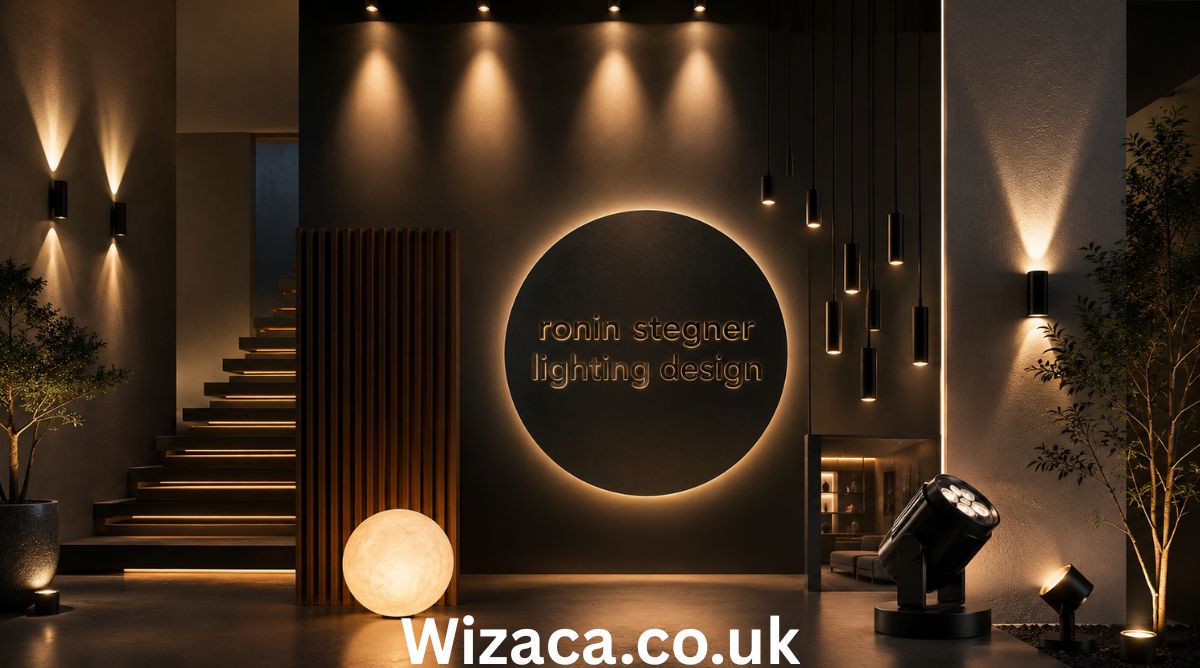
Introduction to ronin stegner lighting design
Ronin stegner lighting design represents the creative and technical process of planning, developing, and implementing lighting solutions that improve the appearance, functionality, and atmosphere of spaces. Lighting design is an essential discipline in architecture, interior design, entertainment, commercial development, and residential planning because it directly affects visibility, mood, energy efficiency, and spatial perception.
Modern lighting design combines artistic creativity with technical precision to create environments that are visually appealing and practical. Designers consider brightness levels, color temperature, fixture placement, energy consumption, and human comfort when developing lighting systems.
Within the field of Lighting Design, professionals focus on balancing aesthetics, efficiency, and functionality to improve both indoor and outdoor environments.
Importance of lighting design in modern spaces
Lighting is one of the most influential elements in environmental design because it affects how people experience and interact with spaces.
Well-designed lighting can make rooms feel larger, warmer, brighter, safer, or more comfortable. Poor lighting, however, may reduce visibility, create discomfort, and negatively affect the overall atmosphere.
Within Interior Design, lighting is considered a critical factor in shaping spatial quality and visual harmony.
Effective lighting design improves both beauty and functionality.
Core principles of lighting design
Lighting designers use several important principles when creating lighting systems.
These principles include balance, contrast, visibility, focus, efficiency, layering, and consistency. Designers carefully combine ambient, task, and accent lighting to create visually comfortable environments.
Within Architectural Engineering, lighting systems are planned to support structural aesthetics and practical performance requirements.
Proper planning ensures effective illumination while reducing unnecessary energy usage.
Ambient lighting and overall illumination
Ambient lighting provides general illumination that allows people to move safely and comfortably within a space.
This type of lighting creates the foundation for all other lighting elements and establishes the overall brightness level of an environment.
Within Environmental Design, ambient lighting contributes significantly to comfort, usability, and atmosphere.
Balanced ambient lighting prevents excessive shadows and improves spatial clarity.
Task lighting for functionality and productivity
Task lighting is designed to support specific activities that require focused visibility such as reading, cooking, studying, office work, or detailed craftsmanship.
Ronin stegner lighting design may emphasize the importance of positioning task lights correctly to reduce eye strain and improve productivity.
Within Ergonomics, proper lighting conditions are important for reducing fatigue and improving work performance.
Well-placed task lighting enhances concentration and visual comfort.
Accent lighting and visual emphasis
Accent lighting is used to highlight architectural features, artwork, decorative elements, textures, or focal points within a space.
This lighting technique creates depth, contrast, and visual interest by directing attention toward selected areas.
Within Visual Arts, lighting is often used to shape emotional response and artistic presentation.
Accent lighting adds sophistication and dramatic effect to interior and exterior environments.
Color temperature and atmosphere
Color temperature is an important aspect of lighting design because it influences mood and environmental perception.
Warm lighting creates cozy and relaxing environments, while cooler lighting is often associated with focus, productivity, and modern aesthetics.
Within Color Theory, lighting color significantly affects emotional response and visual experience.
Designers carefully select color temperatures to match the intended purpose of a space.
Energy efficiency in modern lighting design
Energy efficiency has become a major focus in contemporary lighting systems due to environmental concerns and rising energy costs.
Modern lighting design often incorporates efficient technologies that reduce electricity consumption while maintaining high performance.
Within Sustainable Design, energy-efficient lighting contributes to long-term environmental and economic benefits.
Efficient systems help reduce operational expenses and environmental impact.
LED technology and advanced lighting systems
LED technology has transformed modern lighting design because of its durability, efficiency, brightness control, and design flexibility.
LED fixtures are commonly used in residential, commercial, architectural, and entertainment lighting applications.
Within Electrical Engineering, LED development represents a major advancement in modern illumination systems.
LED lighting provides longer lifespan and lower energy consumption compared to traditional lighting technologies.
Lighting design in residential environments
Residential lighting design focuses on creating comfortable, functional, and visually appealing living spaces.
Different rooms require different lighting strategies depending on activities and design preferences. Kitchens may require brighter task lighting, while bedrooms often use softer ambient lighting.
Within Residential Design, lighting is considered essential for improving comfort and enhancing interior aesthetics.
Thoughtful lighting placement improves daily living experiences.
Commercial and office lighting design
Commercial lighting systems are designed to improve productivity, visibility, customer experience, and workplace efficiency.
Retail stores, offices, restaurants, and hotels often use specialized lighting strategies to support branding, comfort, and functionality.
Within Commercial Design, lighting directly influences customer perception and employee performance.
Effective commercial lighting creates inviting and professional environments.
Outdoor and landscape lighting
Outdoor lighting design improves safety, navigation, security, and visual appeal in exterior spaces.
Landscape lighting may highlight pathways, gardens, architectural structures, or outdoor gathering areas.
Within Landscape Architecture, lighting enhances nighttime visibility while contributing to aesthetic presentation.
Proper outdoor illumination creates attractive and secure environments.
Entertainment and stage lighting design
Lighting design also plays a major role in entertainment industries including theater, concerts, television, and film production.
Stage lighting is used to create atmosphere, direct audience attention, support storytelling, and enhance emotional impact.
Within Performing Arts, lighting is considered a powerful storytelling and visual communication tool.
Dynamic lighting effects contribute significantly to audience engagement.
Smart lighting and automation systems
Smart lighting technology allows users to control brightness, color, scheduling, and energy usage through automated systems and mobile devices.
Ronin stegner lighting design may involve integrating intelligent systems that improve convenience, customization, and efficiency.
Within Automation Engineering, smart technologies improve operational control and energy management.
Automated lighting systems continue becoming more advanced and accessible.
Human comfort and psychological effects of lighting
Lighting affects not only visibility but also emotional well-being, concentration, sleep patterns, and psychological comfort.
Poor lighting conditions may contribute to stress, fatigue, or reduced productivity, while balanced lighting can improve mood and comfort.
Within Environmental Psychology, lighting is recognized as an important influence on human behavior and emotional response.
Designers often consider psychological impact when planning lighting environments.
Challenges in lighting design projects
Lighting designers must balance aesthetics, budget limitations, technical constraints, energy regulations, and user preferences.
Achieving proper illumination while avoiding glare, shadows, excessive brightness, or energy waste requires careful planning and expertise.
Within Project Management, successful lighting projects require organization, collaboration, and technical precision.
Effective communication between designers, architects, and engineers improves project outcomes.
Future trends in lighting design
The future of lighting design is expected to focus on sustainability, smart technology, adaptive systems, and human-centered environments.
Advancements in artificial intelligence, automation, and energy-efficient materials may further transform the lighting industry.
Within Artificial Intelligence, intelligent lighting systems are being developed to adapt automatically to environmental conditions and user behavior.
Future innovations may provide greater personalization, efficiency, and environmental responsibility.
Conclusion
Ronin stegner lighting design reflects the combination of creativity, technology, and functionality required to develop effective lighting environments. Within the framework of Lighting Design, lighting influences visibility, atmosphere, comfort, efficiency, and architectural aesthetics across residential, commercial, entertainment, and outdoor spaces.
Modern lighting design continues evolving through advancements in LED technology, automation, sustainable practices, and smart control systems.
As technology and design practices continue advancing, lighting design will remain an essential element in shaping safe, beautiful, and efficient environments for everyday life.

A Request for Information Construction is a formal process used in the construction industry to gather essential details, clarify uncertainties, and improve decision-making during project planning and execution. Commonly referred to as RFI, this process plays a critical role in ensuring that all stakeholders involved in a construction project have access to accurate and up-to-date information. Within the framework of Construction Management, RFIs are considered a foundational communication tool that helps maintain transparency, reduce errors, and support efficient project delivery.
Construction projects are inherently complex, involving multiple teams, technical specifications, and strict timelines. Misunderstandings or missing information can lead to costly delays and rework. The Request for Information Construction process addresses these challenges by providing a structured method for asking questions and receiving clear, documented responses.
Purpose of Request for Information Construction
The primary purpose of a Request for Information Construction is to resolve ambiguities in project documents such as drawings, specifications, and contracts. During the construction process, contractors, subcontractors, and engineers often encounter situations where additional clarification is required. An RFI allows them to formally request this information from the appropriate party.
Another key purpose is to ensure alignment among all stakeholders. Construction projects involve architects, engineers, project managers, and contractors, each with their own responsibilities. RFIs help bridge communication gaps and ensure that everyone is working with the same understanding.
RFIs also serve as a record of communication. By documenting questions and responses, they create a traceable history that can be referenced in case of disputes or audits. This documentation is particularly valuable in large-scale projects where multiple decisions are made over time.
Components of an RFI
A well-structured Request for Information Construction includes several important components. The first is the identification of the project and the specific issue being addressed. This ensures that the request is clearly linked to the relevant part of the project.
The description of the query is another critical element. It should be detailed and precise, providing enough context for the recipient to understand the issue and provide an accurate response. Vague or incomplete descriptions can lead to delays and misunderstandings.
Supporting documents are often included to provide additional clarity. These may include drawings, photographs, or references to specific sections of the project specifications.
The RFI also includes a proposed solution or recommendation. While not always required, this can help expedite the response process by offering a potential resolution for consideration.
Finally, the response section provides the answer or clarification from the relevant authority, such as an architect or engineer. This response is then used to guide the next steps in the project.
Role in Construction Projects
The role of Request for Information Construction extends across all phases of a project. During the planning stage, RFIs help clarify design details and ensure that all requirements are understood before construction begins.
During the execution phase, RFIs become even more critical. As work progresses, unforeseen issues may arise that require immediate clarification. RFIs provide a structured way to address these issues without disrupting the workflow.
In the closing phase, RFIs contribute to the documentation and record-keeping process. They provide a detailed account of the decisions made throughout the project, which can be useful for future reference.
Benefits of Using RFIs
The use of RFIs in construction offers several benefits. One of the most significant advantages is improved communication. By providing a formal channel for questions and answers, RFIs reduce the likelihood of misunderstandings.
Another benefit is increased efficiency. Clear and timely responses help keep the project on schedule and prevent delays. This is particularly important in projects with tight deadlines.
RFIs also contribute to quality control. By addressing uncertainties and ensuring that all work is performed according to specifications, they help maintain high standards.
Cost savings is another important benefit. Resolving issues early in the process reduces the risk of costly rework and delays.
Challenges in RFI Management
Despite their advantages, RFIs can also present challenges if not managed properly. One common issue is the volume of RFIs generated during large projects. Managing a high number of requests can be time-consuming and may lead to delays if not handled efficiently.
Another challenge is the quality of the RFIs themselves. Poorly written or incomplete requests can result in unclear responses, which can further complicate the project.
Response time is also a critical factor. Delayed responses can disrupt the construction schedule and create bottlenecks.
To address these challenges, effective management systems and clear communication protocols are essential.
Digital Transformation and RFI Systems
The construction industry is increasingly adopting digital tools to manage RFIs more effectively. Software platforms and project management systems provide centralized solutions for creating, tracking, and responding to RFIs.
These digital systems improve efficiency by automating workflows and providing real-time updates. They also enhance transparency by allowing all stakeholders to access the same information.
Integration with other tools, such as scheduling and cost management systems, further enhances the value of digital RFI management. This integration supports a more holistic approach to project management.
Best Practices for Effective RFI Management
Effective RFI management requires a combination of clear communication, proper documentation, and efficient processes. One best practice is to ensure that RFIs are concise and focused. Providing clear and detailed information helps facilitate accurate responses.
Another important practice is to establish clear timelines for responses. This ensures that issues are addressed promptly and do not disrupt the project schedule.
Collaboration is also key. Encouraging open communication among stakeholders helps prevent misunderstandings and promotes a more efficient workflow.
Regular review and analysis of RFIs can provide valuable insights into recurring issues. This information can be used to improve future projects and reduce the number of RFIs required.
Impact on Project Success
The effective use of Request for Information Construction has a direct impact on the success of a project. By ensuring that all stakeholders have access to accurate information, RFIs help prevent errors and improve decision-making.
They also contribute to better coordination among teams, which is essential for maintaining efficiency and meeting deadlines. In complex projects, this coordination can make the difference between success and failure.
RFIs also support accountability by providing a documented record of decisions and communications. This transparency helps build trust among stakeholders and reduces the risk of disputes.
Future Trends in RFI Management
The future of Request for Information Construction is likely to be shaped by advancements in technology. Emerging trends such as automation, data analytics, and artificial intelligence are expected to enhance the efficiency and effectiveness of RFI processes.
Automation can streamline the creation and tracking of RFIs, reducing the administrative burden on project teams. Data analytics can provide insights into patterns and trends, helping identify areas for improvement.
Artificial intelligence has the potential to further enhance decision-making by analyzing data and providing recommendations. These technologies will play a key role in the evolution of construction management.
Importance of Communication in Construction
Communication is a critical factor in the success of any construction project. RFIs are an essential tool for facilitating this communication, ensuring that all stakeholders are aligned and informed.
Effective communication reduces the risk of errors, improves efficiency, and enhances collaboration. In an industry where precision and coordination are essential, tools like RFIs are indispensable.
The importance of communication extends beyond individual projects. It also contributes to the overall development of the construction industry by promoting best practices and continuous improvement.
Conclusion
Request for Information Construction is a vital process within the field of Construction Management, providing a structured approach to communication and problem-solving in construction projects. By addressing uncertainties, improving coordination, and ensuring accurate documentation, RFIs play a crucial role in achieving project success.
From their purpose and components to their benefits and challenges, RFIs are an integral part of modern construction practices. The adoption of digital tools and emerging technologies is further enhancing their effectiveness, making them an essential element of efficient project management.
As the construction industry continues to evolve, the importance of Request for Information Construction will only grow, supporting better communication, improved efficiency, and higher standards of quality in projects worldwide.

The Audley S8074-3 DTF printer is a specialized digital printing machine designed for direct-to-film (DTF) printing. DTF printing has become increasingly popular in the textile and custom apparel industries because it allows businesses to print high-quality designs on various fabrics efficiently. Knowing the price of the Audley S8074-3 DTF printer is important for business owners, hobbyists, and printing professionals who want to invest in reliable printing equipment in the United States and globally. The cost of this printer depends on several factors including features, region, supply chain, and additional accessories.
features affecting the price of the Audley S8074-3 DTF printer
The price of the Audley S8074-3 DTF printer is influenced by its features and capabilities. Understanding these factors helps buyers determine if the printer fits their needs and budget.
print size and resolution
The S8074-3 is capable of printing large-format designs on films up to a certain width, which allows businesses to accommodate larger designs for t-shirts, hoodies, and other apparel. Higher-resolution printing ensures better detail and color accuracy, making the printer more valuable and slightly more expensive compared to lower-resolution alternatives.
ink system and compatibility
The printer uses specialized DTF inks that are designed for durability, vibrant colors, and fabric adhesion. Printers with multiple color channels or efficient ink circulation systems tend to be priced higher because they reduce operational costs and increase print quality.
speed and efficiency
The printing speed of the Audley S8074-3 DTF printer plays a significant role in determining its cost. Faster printers can produce more units per hour, making them ideal for commercial operations. Businesses often consider speed-to-cost ratios when deciding to invest in this type of printer.
software and connectivity
Modern DTF printers, including the Audley S8074-3, come with dedicated printing software for color management, image adjustment, and workflow optimization. Connectivity options such as USB, Ethernet, or wireless support can also influence pricing.
additional accessories
Many DTF printers are sold with optional accessories such as heat presses, powder shakers, curing ovens, and film rollers. Purchasing a bundle with these accessories can increase the upfront cost but may provide a better value for operational efficiency.
estimated price range
The price of the Audley S8074-3 DTF printer can vary significantly depending on region, supplier, and package options. As of 2026, typical price ranges include:
- Standard new unit: $3,500 to $5,000, depending on configuration and seller promotions.
- Bundled units with accessories: $5,000 to $6,500, which may include heat presses, DTF powders, and films.
- Refurbished or pre-owned models: $2,500 to $3,500, which may have limited warranties and require careful inspection.
Prices fluctuate due to supply chain factors, shipping costs, import duties, and market demand.
where to buy the Audley S8074-3 DTF printer
Several purchasing options are available for buyers interested in the Audley S8074-3 DTF printer:
- Official distributors and dealers: Authorized distributors offer warranty coverage, technical support, and the latest printer models.
- Online industrial equipment retailers: Websites such as Alibaba, Amazon, and specialized printing equipment stores provide options to purchase new or refurbished printers.
- Local resellers: Some regional printing supply companies sell DTF printers and provide training and maintenance support.
- Second-hand marketplaces: Platforms like eBay, Facebook Marketplace, and industry-specific forums may offer pre-owned units at lower costs, though buyer caution is advised.
factors to consider before purchasing
When evaluating the cost and value of the Audley S8074-3 DTF printer, buyers should consider several important factors:
warranty and service support
A comprehensive warranty ensures protection against technical issues and provides peace of mind for business investments. Service support availability can vary by region, so buyers should confirm that authorized technicians are accessible locally.
operational costs
Beyond the initial purchase, operational costs such as ink, films, powders, and electricity usage influence the overall value. Printers with efficient ink usage or lower maintenance requirements are generally more cost-effective in the long term.
training and learning curve
DTF printing requires knowledge of proper workflow, color management, and heat pressing techniques. Some distributors include training sessions, which can justify a higher price.
scalability
Businesses planning to scale production should consider printers that support high-volume printing or multiple units. The Audley S8074-3 DTF printer is suitable for small to medium operations but larger enterprises may require additional machines or larger models.
benefits of investing in the Audley S8074-3 DTF printer
Investing in a reliable DTF printer like the Audley S8074-3 provides several advantages:
- High-quality prints: Produces vibrant, durable prints suitable for various fabrics.
- Versatility: Can print on multiple materials including cotton, polyester, and blends.
- Efficiency: Faster production for small businesses or custom orders.
- Cost savings: Reduces dependency on outsourcing printing, lowering long-term expenses.
- Market opportunity: DTF printing enables businesses to expand into custom apparel, promotional merchandise, and personalized gifts.
conclusion
The Audley S8074-3 DTF printer is a versatile and affordable option for businesses looking to enter the direct-to-film printing market. Its price in 2026 ranges from approximately $3,500 to $6,500 depending on whether it is purchased as a new unit, bundled with accessories, or as a refurbished model. Factors such as print size, resolution, ink system, printing speed, software, warranty, and operational costs all influence the final price. Potential buyers should consider these factors carefully to select a printer that meets their production needs and budget. By understanding the price, features, and value of the Audley S8074-3 DTF printer, businesses and hobbyists can make an informed decision when investing in DTF printing technology.

4029339118: Complete Guide, Meaning, Purpose, and Important Information

2566966212: Complete Guide, Identification, Uses, and Important Details

4023164651: Meaning, Details, and Complete Information Explained

Does a Check Engine Light Fail Inspection?

How to Adjust U-Haul Mirrors for Safe Driving

How to Load a 10′ U-Haul Truck Efficiently
-

 General7 days ago
Dixkidzoz: Complete Guide, Features, Benefits, and Latest Information
-

 Blog7 days ago
Wrenwylde26: Complete Overview, Meaning and Latest Information
-
 General7 days ago
4023164651: Meaning, Details, and Complete Information Explained
-
 General6 days ago
2566966212: Complete Guide, Identification, Uses, and Important Details
-
 General4 days ago
4029339118: Complete Guide, Meaning, Purpose, and Important Information