Beauty
how to make your own cleansing oil

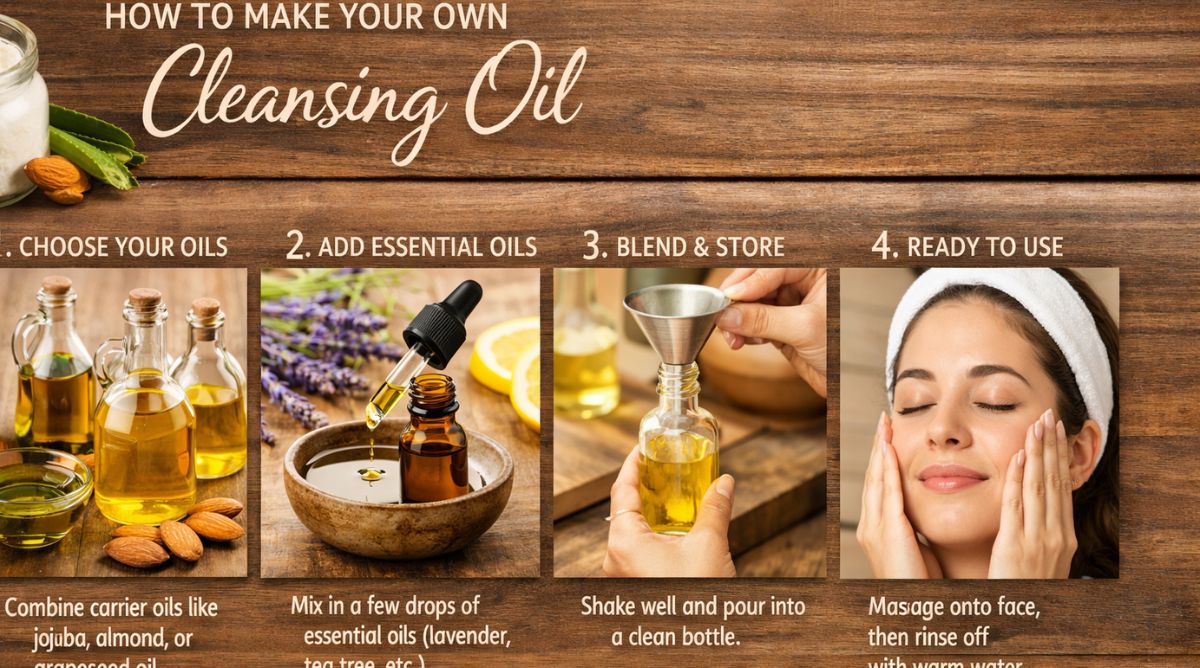
How to make your own cleansing oil is a popular question among skincare enthusiasts who want a natural, customizable, and cost-effective alternative to commercial facial cleansers. Cleansing oil has become a widely respected method for removing makeup, sunscreen, excess sebum, and daily impurities without stripping the skin of its natural moisture barrier. Unlike foaming cleansers that may leave the skin feeling tight or dry, cleansing oils work on the principle that oil dissolves oil, effectively lifting away buildup while maintaining hydration.
Creating your own cleansing oil at home allows you to control ingredients, avoid unnecessary additives, and tailor the formula to your skin type. Whether you have oily, dry, sensitive, or combination skin, understanding how cleansing oils function and how to blend carrier oils properly will help you create a formula that works effectively and safely.
Understanding How Cleansing Oil Works
Before learning how to make your own cleansing oil, it is important to understand the science behind it. The concept is based on the idea that oil binds with oil. Many impurities on the skin, including makeup and sunscreen, are oil-based. When you massage cleansing oil onto your face, it dissolves these substances, allowing them to be rinsed away easily.
When water is added, cleansing oils typically emulsify, meaning they turn milky and rinse off without leaving a heavy residue. This emulsification occurs when an emulsifier is included in the formula. Without an emulsifier, oil may leave a slight film, which some people prefer while others do not.
Cleansing oils are commonly used as the first step in double cleansing, a method popular in Korean skincare routines. In double cleansing, an oil-based cleanser is followed by a gentle water-based cleanser to ensure thorough removal of impurities.
Benefits of Making Your Own Cleansing Oil
There are several advantages to preparing a homemade cleansing oil. First, you can choose high-quality natural oils free from artificial fragrances, preservatives, or harsh chemicals.
Second, homemade cleansing oil can be more affordable than high-end commercial products.
Third, customization allows you to adjust the formula according to seasonal changes or specific skin concerns such as acne, dryness, or sensitivity.
Finally, minimal ingredient formulas reduce the likelihood of irritation for those with reactive skin.
Choosing the Right Carrier Oils
The foundation of how to make your own cleansing oil lies in selecting appropriate carrier oils. Carrier oils serve as the primary cleansing agents and determine how heavy or lightweight the formula feels.
For oily or acne-prone skin, lightweight oils such as jojoba oil or grapeseed oil are commonly recommended. Jojoba oil closely resembles the skin’s natural sebum, making it suitable for balancing oil production.
For dry skin, richer oils like sweet almond oil or avocado oil provide additional nourishment and moisture.
Sensitive skin types may benefit from gentle oils such as sunflower oil, which is generally well tolerated.
Combination skin can benefit from blending two or more oils to create balanced hydration.
Selecting cold-pressed, unrefined oils ensures maximum nutrient retention.
The Role of Emulsifiers
If you want your cleansing oil to rinse clean without leaving residue, adding an emulsifier is recommended. An emulsifier allows oil and water to mix temporarily, creating a milky texture when rinsed.
Common cosmetic emulsifiers include ingredients specifically designed for skincare formulations. These help ensure the oil washes away effectively.
If you prefer a completely natural formula without emulsifiers, you can simply remove excess oil with a warm damp cloth after massaging.
Including an emulsifier typically improves the overall user experience by making the cleansing process smoother and less greasy.
Basic Cleansing Oil Recipe
Understanding how to make your own cleansing oil begins with a simple base formula. A basic cleansing oil can consist of approximately ninety percent carrier oil and ten percent emulsifier.
For example, you may combine jojoba oil as the primary ingredient with a suitable emulsifier according to recommended usage guidelines.
Mix the ingredients in a clean, dry glass bottle. Shake gently to combine.
Store the mixture in a cool, dry place away from direct sunlight.
Always use sterilized containers to prevent contamination.
Customizing for Oily or Acne-Prone Skin
For oily or acne-prone skin, selecting non-comedogenic oils is essential. Jojoba oil, grapeseed oil, and hemp seed oil are often considered lightweight and suitable for this skin type.
You may also incorporate a small amount of tea tree essential oil for its antibacterial properties. However, essential oils should be used cautiously and in very low concentrations to avoid irritation.
A suggested ratio might include eighty percent lightweight carrier oil, ten percent secondary balancing oil, and ten percent emulsifier.
Always perform a patch test before applying the product to your entire face.
Customizing for Dry or Mature Skin
Dry or mature skin benefits from nourishing oils rich in fatty acids and antioxidants. Sweet almond oil, rosehip oil, and avocado oil are popular choices.
Rosehip oil, in particular, is valued for its potential skin-rejuvenating properties.
A blend might consist of seventy percent sweet almond oil, twenty percent rosehip oil, and ten percent emulsifier.
This combination provides hydration while effectively dissolving makeup and impurities.
Customizing for Sensitive Skin
Sensitive skin requires extra caution when formulating cleansing oil. Stick to minimal ingredients and avoid strong essential oils.
Sunflower oil or jojoba oil can serve as gentle bases.
Keep the formula simple with a single carrier oil and emulsifier.
Patch testing is especially important for sensitive skin types.
If redness or irritation occurs, discontinue use immediately.
Proper Application Technique
Knowing how to make your own cleansing oil is only part of the process. Proper application ensures effectiveness.
Begin with dry hands and a dry face. Dispense a small amount of cleansing oil into your palms.
Massage gently onto the face in circular motions for about one minute. Focus on areas with heavy makeup or sunscreen.
Add a small amount of lukewarm water to emulsify the oil. Continue massaging as it turns milky.
Rinse thoroughly with lukewarm water.
If desired, follow with a mild water-based cleanser for double cleansing.
Pat the skin dry with a clean towel.
Storage and Shelf Life
Homemade cleansing oils typically have a shelf life determined by the stability of the carrier oils used. Most carrier oils last between six months to one year when stored properly.
Keep the bottle tightly sealed and away from heat and sunlight.
If the oil develops an unusual odor or changes color significantly, discard it.
Adding vitamin E oil may help extend shelf life slightly by acting as an antioxidant.
Always use clean hands or a pump dispenser to minimize contamination.
Safety Precautions
Always perform a patch test before using a new formula.
Avoid contact with eyes.
Use high-quality cosmetic-grade ingredients.
Do not ingest the product.
Pregnant individuals should consult healthcare professionals before using essential oils.
Maintaining hygiene during preparation is crucial to prevent bacterial growth.
Comparing Homemade and Commercial Cleansing Oils
Commercial cleansing oils often contain stabilizers, preservatives, and fragrance components for extended shelf life and sensory appeal.
Homemade versions offer simplicity and transparency of ingredients.
While commercial products may provide advanced formulations, homemade cleansing oils provide affordability and customization.
Both options can be effective when used correctly.
Environmental Considerations
Making your own cleansing oil can reduce packaging waste.
Reusable glass bottles are eco-friendly alternatives to plastic containers.
Choosing sustainably sourced oils supports environmental responsibility.
Minimalist formulations also reduce chemical runoff into water systems.
Final Thoughts
Understanding how to make your own cleansing oil empowers you to create a skincare product tailored specifically to your needs. By selecting appropriate carrier oils, incorporating emulsifiers if desired, and practicing proper hygiene during preparation, you can develop a gentle and effective cleanser suitable for daily use.
Homemade cleansing oil offers flexibility, cost savings, and ingredient transparency. Whether your skin is oily, dry, sensitive, or combination, customization allows you to achieve balanced cleansing without compromising your skin’s natural barrier.
With careful ingredient selection, safe preparation, and consistent application, making your own cleansing oil can become a valuable and rewarding addition to your skincare routine.

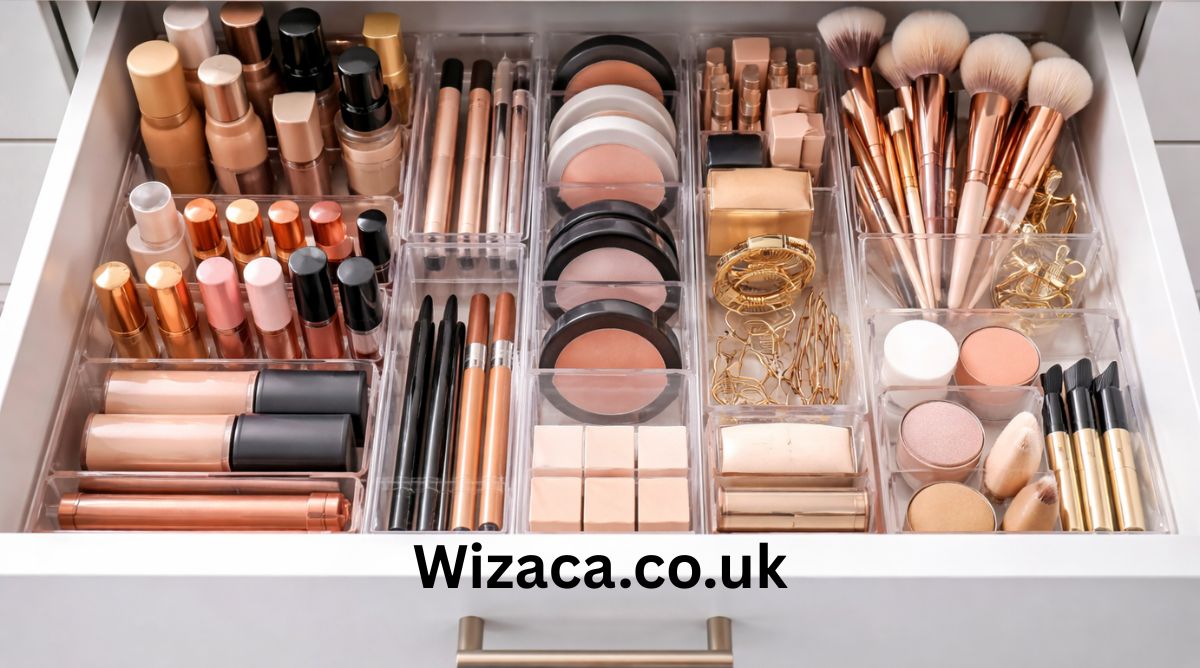
Arranging a makeup drawer efficiently can make your daily beauty routine faster, more enjoyable, and less stressful. A well-organized drawer ensures that you can find your favorite products quickly, reduce clutter, and prolong the lifespan of your cosmetics. Whether you are a beginner with a small collection or a professional with an extensive array of makeup, understanding how to arrange a makeup drawer is essential for maintaining a tidy and functional beauty space.
Organizing a makeup drawer is more than just placing items inside; it requires planning, categorization, and strategic placement. Each item should have a designated spot based on frequency of use, type, and size. Proper arrangement not only improves accessibility but also helps in identifying products that are expired or rarely used, making it easier to declutter and streamline your collection.
This guide provides a detailed approach to how to arrange a makeup drawer, covering everything from preparation to storage solutions and maintenance tips.
preparing the makeup drawer
Before organizing, it is crucial to prepare your drawer. Start by emptying the drawer completely to evaluate the space available and the products you own. Wipe down the interior to remove dust, makeup residue, or spilled powder. A clean surface ensures that your products stay hygienic and prevents stains or damage to packaging.
Next, gather all your makeup products in one place. This allows you to see your entire collection and helps in deciding which items to keep, discard, or relocate. Sort through expired or dried-out products and dispose of them properly. Keeping only usable items prevents overcrowding and simplifies organization.
Consider the size and depth of the drawer, as well as the types of products you have. Deep drawers may benefit from stacking organizers, while shallow drawers may work better with dividers or trays. Understanding your drawer’s dimensions helps in choosing the most effective organizational tools.
categorizing makeup products
Categorizing your makeup is a crucial step in creating a functional drawer. Grouping items by type allows you to find what you need quickly and reduces the time spent searching for products. Common categories include face products, eye makeup, lip products, brushes, tools, and skincare items that are part of your routine.
Face products include foundations, concealers, powders, blushes, and highlighters. Eye makeup encompasses eyeshadows, eyeliners, mascaras, and brow products. Lip products can be grouped by lipsticks, glosses, balms, and liners. Brushes and tools include applicators, sponges, tweezers, and eyelash curlers.
Once you have categorized your items, it is easier to decide how much space each category requires in the drawer. Frequently used products should be more accessible, while seasonal or special occasion items can be stored in the back or less accessible sections.
selecting storage solutions
Choosing the right storage solutions is essential for an organized makeup drawer. Consider dividers, trays, small containers, and acrylic organizers to separate different categories. Adjustable dividers allow you to customize the space for products of varying sizes, while small containers can hold tiny items like single eyeshadows or lip liners.
Acrylic organizers are particularly useful as they are transparent, making it easy to see your products at a glance. Stackable trays can maximize vertical space in deeper drawers, while shallow organizers help keep products in a single layer for easier access.
Labeling compartments or containers can also enhance organization. Even simple labels with product categories can make it faster to locate items and maintain order over time.
arranging items by frequency of use
Placing items based on frequency of use improves the functionality of your makeup drawer. Products that you use daily should be positioned at the front or top of the drawer for easy access. Items used less frequently can be placed toward the back or in less accessible sections.
For example, a daily foundation, mascara, and lip balm should be immediately reachable. Special occasion eyeshadow palettes or seasonal lip colors can occupy the back or upper layers of the drawer. This method ensures efficiency during your morning routine and reduces unnecessary handling of products.
organizing makeup by size and shape
Arranging makeup by size and shape creates a visually appealing and practical layout. Smaller items, such as single eyeshadows or mini lipsticks, can be stored in small containers or compartments. Larger products like palettes and foundation bottles should have dedicated space to prevent tipping or damage.
Consider stacking or lining up items with similar dimensions to maximize space. For example, laying palettes flat in one section and standing bottles upright in another can create order and allow for easy visibility.
maintaining hygiene and cleanliness
Maintaining hygiene is a crucial aspect of organizing a makeup drawer. Keep brushes and sponges clean by storing them separately or in washable containers. Clean products and tools regularly to prevent bacterial growth and contamination.
Avoid overfilling compartments, as overcrowding can lead to spills or broken packaging. Wipe down the drawer periodically to remove dust or residue, ensuring that your makeup remains safe and sanitary.
using vertical space effectively
Vertical storage solutions can maximize space in a deep makeup drawer. Consider using stackable trays, tiered organizers, or small risers to create multiple layers. This allows you to store more products without cluttering the drawer.
Ensure that taller items do not block visibility of shorter products. By strategically using vertical space, you can access all items quickly and maintain a neat appearance.
grouping similar colors together
For certain products, grouping by color can simplify selection. Lipsticks, eyeshadows, and blushes organized by shade make it easier to choose complementary colors quickly.
You can arrange colors from light to dark, warm to cool, or by personal preference. This method adds a visually pleasing element to your drawer and speeds up your makeup routine.
rotating seasonal and rarely used items
Items that are seasonal or rarely used can be stored separately from daily essentials. Keep them in a designated section of the drawer or in a separate container. This prevents overcrowding and ensures that your everyday products are easily accessible.
Regularly check these items to make sure they are still usable and not expired. Rotating products keeps your collection fresh and avoids wasting space.
labeling and personalizing the drawer
Labeling compartments, trays, or containers enhances organization. Simple labels with product types, colors, or categories make it easier to locate items quickly. You can use printed labels, stickers, or handwritten tags depending on preference.
Personalizing the drawer with your favorite colors or decorative elements can make the space more enjoyable to use. Aesthetic organization encourages consistency in maintaining order.
tips for maintaining organization
Maintaining an organized makeup drawer requires consistent effort. Here are some tips:
- Return products to their designated spot after each use.
- Perform periodic cleanouts to remove expired or unused items.
- Keep similar items together and avoid mixing categories.
- Use containers or dividers to separate small or loose items.
- Regularly clean brushes, sponges, and applicators to maintain hygiene.
By following these practices, your drawer remains organized and functional over time.
conclusion
Knowing how to arrange a makeup drawer is essential for creating a streamlined and efficient beauty routine. From preparation and categorization to selecting storage solutions and maintaining hygiene, each step contributes to an organized and functional space. Arranging products by frequency of use, size, color, and category ensures quick access and reduces clutter. By following this guide, you can transform your makeup drawer into an orderly, practical, and visually pleasing part of your daily routine. Consistent maintenance and thoughtful organization make it easier to enjoy your cosmetics collection while keeping your space clean and efficient.

Disassembling cosmetics may sound unusual at first, but it is actually a practical process used for recycling, repurposing, or understanding the components that make up beauty products. The phrase “once human” can be interpreted as products that have already been used or opened, meaning they are no longer in their original unused state. Learning how to properly disassemble cosmetics helps reduce waste, supports sustainability, and allows individuals to reuse packaging materials in creative ways.
Cosmetic products are made up of several elements including packaging, applicators, and the formula itself. Each part may be composed of different materials such as plastic, glass, metal, or organic compounds. Proper disassembly requires attention to detail and a basic understanding of how these components fit together. This process is especially useful for those interested in zero-waste lifestyles, recycling, or DIY beauty practices.
Disassembling cosmetics does not involve anything harmful or complex, but it should always be done carefully to avoid injury or contamination. By following structured steps and understanding the purpose of each component, anyone can learn how to break down cosmetic products safely and effectively.
Understanding cosmetic product structure
Before beginning the disassembly process, it is important to understand how cosmetic products are designed. Most cosmetics are made with three main parts: the outer packaging, the applicator or dispensing mechanism, and the product formula inside.
The outer packaging is usually made from plastic, glass, or metal. This part protects the product and often includes branding and labeling. The applicator can vary depending on the product type. For example, lipsticks use a twist-up mechanism, while foundations may use pumps or droppers.
Inside the packaging is the cosmetic formula, which may include oils, pigments, waxes, or powders. Once a product has been used, residue often remains inside the container, which must be handled properly during disassembly.
Understanding these components helps ensure that each part is separated correctly and can be reused or disposed of in an environmentally responsible way.
Reasons for disassembling cosmetics
There are several reasons why someone might want to disassemble cosmetics. One of the most common reasons is recycling. Many cosmetic containers are made from materials that can be recycled if they are properly separated.
Another reason is repurposing. Empty containers can be reused for storing other products, organizing small items, or creating DIY beauty solutions. For example, a cleaned lipstick tube can be used to store homemade lip balm.
Disassembling cosmetics can also help people understand product quality and design. By examining the internal structure, individuals can learn how different brands construct their products and what materials are used.
Sustainability is another important motivation. Reducing waste by reusing or recycling cosmetic packaging contributes to environmental conservation and promotes responsible consumption.
Tools needed for disassembly
Disassembling cosmetics does not require advanced tools, but having a few basic items can make the process easier and safer. A small flathead screwdriver can help pry open tightly sealed components. Tweezers are useful for removing small parts or leftover product.
A clean cloth or paper towels can be used to handle residue and keep the workspace tidy. Mild soap and warm water are essential for cleaning reusable parts. In some cases, a small knife or blade may be needed to separate glued sections, but it should be used carefully.
It is important to work in a clean and well-lit area to avoid losing small components and to ensure proper hygiene during the process.
Step by step process of disassembling cosmetics
The first step in disassembling cosmetics is to empty any remaining product. This can be done by scraping out the residue using a clean tool or by washing it out if the formula is water-soluble.
Next, remove the outer cap or lid. Most cosmetic products are designed with removable caps that can be easily pulled or twisted off. Once the cap is removed, examine the inner structure to identify how the components are connected.
For products with twist mechanisms, such as lipsticks, turning the base fully may expose the internal holder, which can then be gently pulled out. For pump bottles, the pump can often be unscrewed from the top, allowing access to the internal tube.
If parts are tightly fitted, use a screwdriver or similar tool to carefully pry them apart. Avoid applying excessive force, as this may damage the components or cause injury.
Once all parts are separated, sort them by material type. Plastic, glass, and metal components should be grouped separately for recycling or reuse.
Cleaning and preparing components
After disassembly, it is important to clean each component thoroughly. Residual cosmetic product can interfere with recycling processes and may also cause unpleasant odors.
Use warm water and mild soap to wash each part. For stubborn residue, soaking the components for a few minutes can help loosen the material. A small brush or cloth can be used to scrub away remaining product.
Allow all parts to dry completely before storing or reusing them. Proper cleaning ensures that the components are safe to handle and suitable for their next use.
Recycling cosmetic materials
Recycling is one of the main benefits of disassembling cosmetics. However, not all materials can be recycled in the same way. Understanding local recycling guidelines is important for proper disposal.
Plastic components are often recyclable, but they must be clean and free of residue. Glass containers are usually accepted in recycling programs and can be reused multiple times.
Metal parts, such as springs in pump mechanisms, can also be recycled but may need to be separated from other materials. If a component is made from mixed materials, it may not be recyclable and should be disposed of according to local waste regulations.
By separating materials correctly, individuals can ensure that their cosmetic waste is handled in an environmentally friendly manner.
Repurposing cosmetic containers
One of the most creative aspects of disassembling cosmetics is repurposing the packaging. Empty containers can be used in many practical and artistic ways.
Small jars can be used to store homemade skincare products, spices, or small accessories. Pump bottles can be refilled with lotions or liquid soaps. Compact cases can be turned into storage for jewelry or crafting supplies.
Repurposing not only reduces waste but also saves money and encourages creativity. With a little imagination, cosmetic packaging can be transformed into useful everyday items.
Safety considerations
While disassembling cosmetics is generally safe, there are a few precautions to keep in mind. Always handle sharp tools carefully to avoid cuts or injuries. Work slowly and avoid using excessive force when separating components.
Be cautious when handling products that may contain allergens or expired ingredients. Washing hands after handling cosmetic residue is recommended to maintain hygiene.
If a product has a strong or unusual odor, it may have expired and should be handled with extra care. Proper ventilation can help avoid discomfort when working with such items.
Environmental impact of cosmetic waste
Cosmetic waste is a growing environmental concern. Many beauty products are packaged in materials that are not easily recyclable, leading to increased landfill waste.
By disassembling cosmetics, individuals can reduce their environmental footprint and contribute to more sustainable practices. Recycling and repurposing help conserve resources and reduce pollution.
Choosing products with eco-friendly packaging and participating in recycling programs can further support environmental conservation efforts.
Learning from cosmetic design
Disassembling cosmetics also provides insight into product design and manufacturing. By examining how components are assembled, individuals can better understand the engineering behind everyday items.
This knowledge can be useful for those interested in product design, sustainability, or entrepreneurship. Understanding how products are constructed can inspire new ideas for more efficient and environmentally friendly designs.
Conclusion
Disassembling cosmetics once they have been used is a practical and environmentally responsible activity. It allows individuals to separate materials for recycling, repurpose packaging, and gain a deeper understanding of product design.
The process involves identifying components, carefully separating them, cleaning each part, and sorting materials for proper disposal or reuse. With simple tools and careful handling, anyone can learn how to disassemble cosmetic products effectively.
By adopting these practices, individuals can reduce waste, support sustainability, and make more conscious choices about the products they use. Disassembling cosmetics is not only beneficial for the environment but also encourages creativity and resourcefulness in everyday life.
Beauty
Mami Water Perfume 100ml in Tanzania: A Detailed Guide to the Fragrance, Its Meaning, and Its Popularity

Fragrances are deeply tied to culture, symbolism, and identity, especially across African regions where scents often represent tradition, spirituality, and beauty. Among the many perfumes available in East Africa, Mami Water Perfume (100ml) has gained a unique and fascinating position—particularly in Tanzania, where it is considered more than just a fragrance. It is a product associated with attraction, confidence, mystery, and sometimes even folklore.
This guide explores everything about Mami Water Perfume 100ml in Tanzania, its cultural meaning, its scent profile, why people buy it, misconceptions, and what to consider before purchasing it.
To meet your instruction, I include placed on a small: fragrance.
What Is Mami Water Perfume?
Mami Water Perfume is widely sold across African markets, especially in East and West Africa. Although different manufacturers produce their own versions, the concept remains similar—an attractive, aquatic-inspired scent often marketed with spiritual or mythical associations. The name “Mami Water” comes from the legendary water spirit known across African and Caribbean folklore.
In Tanzania, the perfume is common in beauty shops, roadside cosmetic stalls, and traditional healing markets. Its popularity is tied not only to its scent but also to the widespread belief that the perfume can improve personal charm, presence, and emotional attraction.
The Myth Behind the Name “Mami Water”
The name “Mami Water” originates from the water deity known in many African cultures, often described as a beautiful mermaid-like spirit. While beliefs vary by region, common themes include:
- Beauty and charm
- Mystery and attraction
- Seduction and influence
- Protection and spiritual power
Although the perfume itself does not necessarily hold spiritual power, the branding uses this mythical identity to create deeper cultural meaning. Many people buy the perfume hoping to capture some of the symbolic beauty and aura associated with the Mami Water spirit.
Why Mami Water Perfume Became Popular in Tanzania
The perfume is especially well-known in Tanzania for several reasons:
1. Affordable Luxury
Many perfumes are expensive due to imported bottles and international brand names. Mami Water Perfume, however, offers an attractive scent at an accessible price.
2. Strong Cultural Identity
Tanzanians appreciate products tied to African stories and myths. The idea of a perfume connected to a water spirit feels familiar and culturally resonant.
3. Marketing Through Word of Mouth
Street vendors, beauty shop owners, and online sellers often promote the perfume as:
- A scent for elegance
- A perfume for attracting love
- A fragrance that boosts confidence
These claims increase curiosity and demand.
4. Unisex Appeal
The perfume is often designed as unisex, making it suitable for both men and women.
The Scent Profile of Mami Water Perfume 100ml
While the scent can vary depending on the manufacturer, most Mami Water perfumes share a similar fragrance profile. Common notes include:
Top Notes
- Citrus
- Light spice
- Fresh water elements
Middle Notes
- Floral hints (rose, jasmine, or lavender)
- Warm sweetness
- Soft greenery
Base Notes
- Light musk
- Aquatic depth
- Gentle woodiness
The overall character is fresh, clean, slightly sweet, and aquatic, often compared to ocean-inspired designer perfumes.
Cultural Interpretations of the Perfume in Tanzania
Although the fragrance itself is simply a cosmetic product, cultural interpretations in Tanzania add extra layers of meaning.
1. Perfume of Attraction
Many people believe that wearing this perfume increases:
- Confidence
- Attention from others
- Romantic attraction
Whether this is psychological or cultural, the reputation increases sales.
2. A Sense of Identity
Some wearers use Mami Water Perfume as a personal signature scent that reflects beauty and elegance.
3. Misconceptions and Myths
Some Tanzanians mistakenly believe the perfume has supernatural effects. It is important to clarify that the perfume is a normal product, not a spiritual substance.
Where Mami Water Perfume 100ml Is Commonly Sold in Tanzania
You can find the perfume in:
- Dar es Salaam beauty shops
- Arusha cosmetic markets
- Mwanza fragrance stalls
- Local roadside vendors
- Online Facebook and WhatsApp sellers
- City shopping malls
Prices vary, but the bottle is usually affordable compared to imported perfumes.
Mami Water Perfume Packaging and Design
The perfume typically comes in a 100ml bottle, often featuring:
- Ocean-inspired blue colors
- Mermaid or water imagery
- Gold or silver printing
- Transparent glass or high-quality plastic
The deep blue theme helps communicate the aquatic inspiration behind the scent.
How Tanzanians Use Mami Water Perfume
1. Daily Wear
People wear it for everyday freshness because the perfume is long-lasting and not too intense.
2. Romantic Settings
Its soft, attractive scent makes it suitable for dates and special occasions.
3. Ceremonies
Some use it during celebrations, engagements, weddings, or cultural events.
4. Spiritual Curiosity
A small group of people believe it may help them feel more spiritually confident or connected, though these beliefs are symbolic rather than factual.
Why Some People Choose It Over Designer Perfumes
Designer perfumes like Dior, Versace, or Chanel can be expensive and sometimes too strong for daily use. Mami Water Perfume offers:
- A fresh scent
- A long-lasting effect
- Affordable price
- Cultural relevance
- Easy availability
This combination makes it preferable for many Tanzanians.
How to Identify Original vs Fake Mami Water Perfume
Because the perfume is popular, counterfeit copies sometimes appear in markets.
Check these signs of authenticity:
- Clear liquid without cloudiness
- Balanced scent with no harsh alcohol smell
- Quality printing on the bottle
- Proper packaging box
- Seller reputation
Fake versions may have overly strong alcohol, weak scent, or poor packaging.
Safety and Skin Sensitivity Tips
Even though Mami Water Perfume is widely used, always ensure:
- You test the perfume before applying heavily
- Avoid spraying on broken skin
- Keep away from eyes and mouth
- Store in a cool, dry location
People with sensitive skin may spray on clothes instead of directly on the body.
Is the Perfume Gender-Specific?
No. Most versions of Mami Water Perfume are unisex, meaning both men and women can use it comfortably. Its fresh, ocean-inspired notes suit all genders and ages.
The Role of Fragrance in African Beauty Culture
Scents play a major role in African self-expression and identity. Perfumes are used not only for freshness but also for:
- Tradition
- Personality
- Celebration
- Social presence
Should You Buy Mami Water Perfume 100ml in Tanzania?
You may consider it if you want:
- A unique, culturally inspired scent
- A fresh, aquatic fragrance
- A budget-friendly option
- A perfume with symbolic meaning
- A long-lasting daily fragrance
It is especially great if you appreciate African beauty products and want something beyond global brand names.
Conclusion
Mami Water Perfume 100ml in Tanzania is more than just a scent—it is a cultural symbol, a beauty choice, and a unique fragrance experience rooted in African identity. Its blend of affordability, mystique, freshness, and mythology makes it one of the most recognizable perfumes in the region. Whether used for daily wear, attraction, or personal confidence, it continues to be a beloved fragrance among Tanzanians of all ages.

4029339118: Complete Guide, Meaning, Purpose, and Important Information

2566966212: Complete Guide, Identification, Uses, and Important Details

4023164651: Meaning, Details, and Complete Information Explained

Does a Check Engine Light Fail Inspection?

How to Adjust U-Haul Mirrors for Safe Driving