
Moving & Transportation
How to Move Vinyl Records Safely


Vinyl records are fragile and sensitive to heat, pressure, and bending, so proper packing and handling are essential to prevent warping, scratches, or breakage during a move. Follow these step-by-step instructions to move your vinyl collection safely.
1. Supplies You’ll Need
✔ Sturdy Record Boxes (Plastic bins or reinforced cardboard boxes)
✔ Inner & Outer Record Sleeves (If not already used)
✔ Bubble Wrap or Packing Paper
✔ Packing Tape
✔ Foam Padding or Dividers
✔ Labels & Markers
📌 Tip: Use specialty record storage boxes designed for LPs (12-inch records) to keep them snug and upright.
2. How to Pack Vinyl Records for Moving
Step 1: Organize & Clean Records
✔ Sort records by size (12″, 10″, and 7″).
✔ Use a soft cloth to remove dust before packing.
✔ Ensure each record is in its inner paper sleeve and outer jacket.
📌 Tip: If sleeves are missing, buy replacements to prevent surface damage.
Step 2: Use the Right Box
✔ Choose sturdy, heavy-duty boxes that fit records snugly.
✔ Reinforce the bottom of the box with extra packing tape.
📌 Tip: Avoid large boxes, as they get too heavy and difficult to carry.
Step 3: Stack Records Vertically (Not Flat!)
✔ Always store vinyl records upright, just like on a shelf.
✔ Never stack records on top of each other—this causes warping and pressure damage.
📌 Tip: Leave a little room in the box to avoid over-compressing records.
Step 4: Fill Empty Spaces
✔ Use bubble wrap, packing paper, or foam dividers to prevent shifting.
✔ Make sure records can’t slide or fall inside the box.
📌 Tip: Add foam padding at the bottom and sides for extra protection.
Step 5: Seal & Label the Box
✔ Close the box securely with strong packing tape.
✔ Label the box “FRAGILE – VINYL RECORDS – KEEP UPRIGHT”.
📌 Tip: Mark an arrow pointing up to ensure correct handling.
3. How to Transport Vinyl Records Safely
✔ Keep boxes in a climate-controlled environment (avoid extreme heat or cold).
✔ Avoid leaving records in a hot car—heat warps vinyl.
✔ Place record boxes upright in the moving truck with padding around them.
📌 Tip: If driving long distances, crack a window or use air conditioning to keep records cool.
4. Best Way to Move a Large Vinyl Collection
✔ Personal Vehicle – Best for small collections, keeps records climate-controlled.
✔ Moving Truck – Pack in a cooler section, away from direct sunlight.
✔ Professional Movers – Choose movers experienced with fragile items.
✔ Shipping Services – Use reinforced mailers if mailing records separately.
📌 Tip: If shipping, use double-boxing with bubble wrap for extra protection.
5. Common Mistakes to Avoid
6. FAQs
1. Can I pack records with other items?
No! Vinyl should be packed separately to avoid pressure and bending.
2. How many records should I pack per box?
✔ 12-inch LP box – Holds 50-100 records
✔ Smaller boxes – 30-50 records for easier lifting
3. Can I wrap records in bubble wrap?
Only wrap the entire box, not individual records—bubble wrap can create too much pressure.
4. How do I store vinyl records after moving?
✔ Keep them upright in a cool, dry place.
✔ Avoid direct sunlight and humidity.
✔ Store in protective sleeves and sturdy shelving.
5. What if a record gets warped after moving?
Try placing it between two heavy books with gentle heat to flatten it.
Final Thoughts
Moving vinyl records requires careful packing, vertical stacking, and climate control. Use sturdy boxes, fill gaps with padding, and keep them upright to ensure your collection stays in perfect condition! 🎵📦🚚
Also Check:
• How to Pack Vinyl Records for Moving
• How to Move a Mattress in a Truck Safely
• How to Protect Furniture in Storage
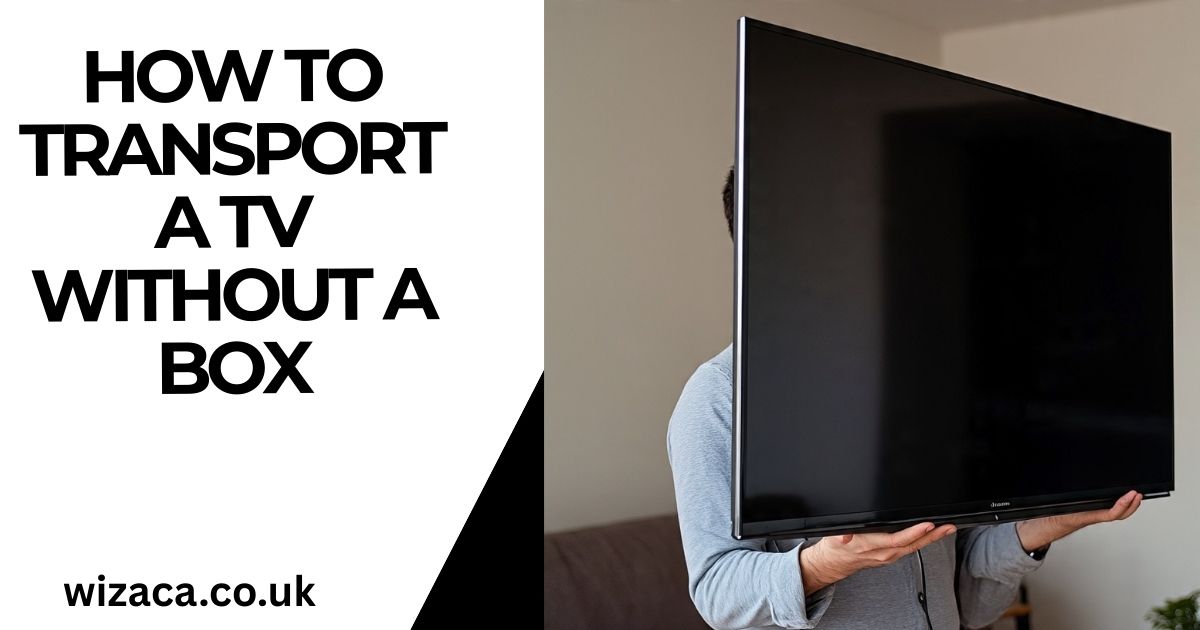
Transporting a TV without a box can be tricky, but with the right techniques and precautions, you can ensure that your TV arrives at its destination safely. TVs, especially large flat-screen models, are delicate and can be easily damaged during transit if not properly handled. In this guide, we’ll show you how to transport a TV without a box and minimize the risk of any damage.
Why is it Important to Use Proper Protection?
The screen of your TV is fragile, and even a small impact can cause cracks, scratches, or other damage. When transporting your TV without a box, it’s essential to provide adequate padding and protection to prevent the TV from being jolted or scratched.
Materials You’ll Need
- Blankets or Moving Pads: For cushioning and protecting the TV.
- Bubble Wrap or Foam Sheets: For additional padding and protection around the screen.
- Packing Tape: To secure the bubble wrap or foam sheets.
- Cardboard Sheets: To reinforce the TV.
- Straps or Ropes: For securing the TV in place during transport.
- Towels or Soft Cloths: To cover and protect the screen.
Step-by-Step Guide to Transporting a TV Without a Box
Step 1: Clean the TV
Before you begin the packing process, clean the TV screen and its edges using a microfiber cloth. This will remove any dust or particles that could cause scratches during transport.
Step 2: Protect the TV Screen
The most fragile part of the TV is the screen, so it’s essential to take extra precautions to protect it.
- Wrap the Screen with Soft Cloth: Lay the TV flat on a soft surface and cover the screen with a towel or soft cloth to prevent any scratches.
- Add Bubble Wrap or Foam Sheets: Wrap the entire screen with a layer of bubble wrap or foam sheets. If using bubble wrap, ensure the bubbles face inward to provide cushioning. Secure the wrap with packing tape, but avoid taping directly on the screen. The goal is to provide padding but not put any pressure on the display.
Step 3: Add Protection Around the TV
- Use Moving Blankets or Pads: Lay moving blankets or pads over the entire TV, covering all sides. This will help protect the TV from bumps, jolts, and impacts during transport. You can also use extra towels or soft fabrics to fill in any gaps between the TV and the blankets for added cushioning.
- Reinforce the TV with Cardboard: If you have any spare cardboard sheets, you can cut them to fit the sides and back of the TV. This will help reinforce the TV and protect it from minor impacts. Avoid using too much cardboard around the screen, as it could add unnecessary pressure.
Step 4: Secure the TV
- Use Straps or Ropes: Once the TV is fully wrapped and protected, secure it with straps or ropes. If you’re using a vehicle for transport, make sure the TV is firmly secured to prevent it from shifting. If you’re transporting the TV in a car or moving truck, place it upright against a soft surface and strap it in place.
- Place the TV in a Secure Position: Ensure that the TV is standing upright (screen side facing inward) during transport. Avoid laying the TV flat on its screen as this could put pressure on the fragile display and cause damage.
Step 5: Transport the TV Carefully
- Drive Slowly: If you’re transporting the TV in a car or truck, drive slowly and avoid sudden stops or sharp turns. Even though the TV is wrapped and secured, rough handling can still cause internal damage or jar the protective layers.
- Avoid Extreme Temperatures: Don’t expose the TV to extreme temperatures, whether too hot or too cold. Try to keep it in a climate-controlled environment throughout the transport process.
Step 6: Unloading the TV
When you arrive at your destination, unload the TV carefully.
- Check for Damage: Before you unstrap or unwrap the TV, check for any visible damage, like cracks or dents. If you notice any issues, address them immediately.
- Unwrap and Inspect: Once the TV is in its new location, gently remove all the protective wrapping and check the screen and other components for any damage. If everything looks good, set the TV up in its new spot and reconnect it.
Additional Tips for Transporting a TV Without a Box
- Use a Moving Truck: If possible, use a moving truck with padded walls to transport your TV. This will help minimize any jostling or movement during the trip.
- Avoid Stacking: Never stack anything on top of the TV during transport. The weight could cause damage to the screen or other components.
- Take Your Time: Don’t rush the packing, loading, and unloading process. Carefully wrapping and securing the TV will save you time and frustration in the long run.
Conclusion
Transporting a TV without a box can be done safely with proper precautions. By wrapping the screen with soft cloth, bubble wrap, and moving blankets, and ensuring the TV is securely strapped in place, you can prevent damage during transport. Always handle the TV with care and take extra precautions to protect the fragile screen. By following these steps, you’ll ensure that your TV reaches its new destination in perfect condition.

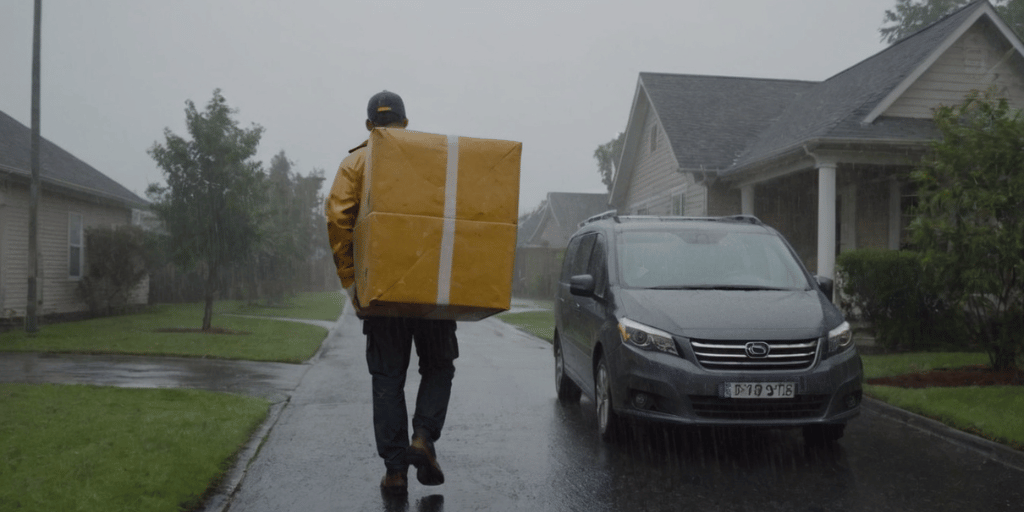
Yes, FedEx does deliver in the rain. FedEx operates in all weather conditions, including rain, snow, and other adverse weather, unless there are safety concerns that would prevent drivers from completing their deliveries. Their delivery operations are designed to continue running regardless of weather conditions, although extreme weather events (like hurricanes, floods, or snowstorms) could potentially cause delays.
⚙️ What to Expect During Rainy Weather
- Delivery Delays: While FedEx drivers are trained to deliver in all conditions, heavy rain or severe weather could lead to delays, especially in areas that are difficult to access due to flooding or hazardous conditions.
- Package Protection: FedEx takes precautions to ensure packages are protected during delivery, but there may be instances where the packaging could be slightly damp due to rain, depending on the packaging materials and how the package is handled.
- Tracking Updates: If there are any delays or changes due to weather conditions, FedEx typically updates the tracking information, allowing customers to monitor their package status in real-time.
🚗 Weather-Related Delivery Adjustments
- Severe Weather: In cases of extreme weather like hurricanes or blizzards, FedEx may adjust its service or delivery times based on local safety protocols. However, rain alone will not prevent deliveries from being made.
- Delivery Safety: FedEx drivers are trained to prioritize safety. If weather conditions are hazardous (such as flooding or unsafe driving conditions), there could be temporary service interruptions, but these are rare.
✅ Final Answer
Yes, FedEx delivers in the rain. Regular rain does not stop FedEx from making deliveries, although extreme weather conditions may cause delays or service interruptions. Generally, FedEx is well-equipped to handle all types of weather, including rain, to ensure timely deliveries.
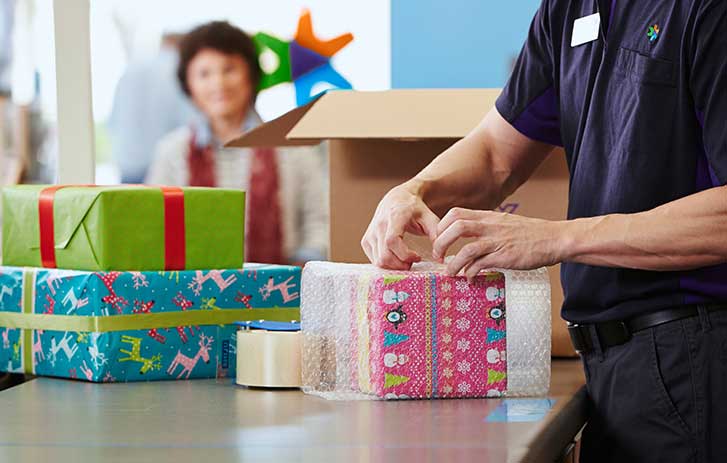
No, FedEx does not sell gift cards directly. FedEx is a logistics and shipping company, and while it offers a wide range of services related to parcel delivery, packaging, and shipping, it does not sell gift cards for retail or online use like stores or financial institutions do.
However, FedEx Office locations may sell prepaid cards or other forms of payment options, such as Visa or Mastercard gift cards, but these are typically for general use and not specific to FedEx services. These cards can be used at multiple merchants, including possibly for online purchases.
⚙️ What FedEx Offers
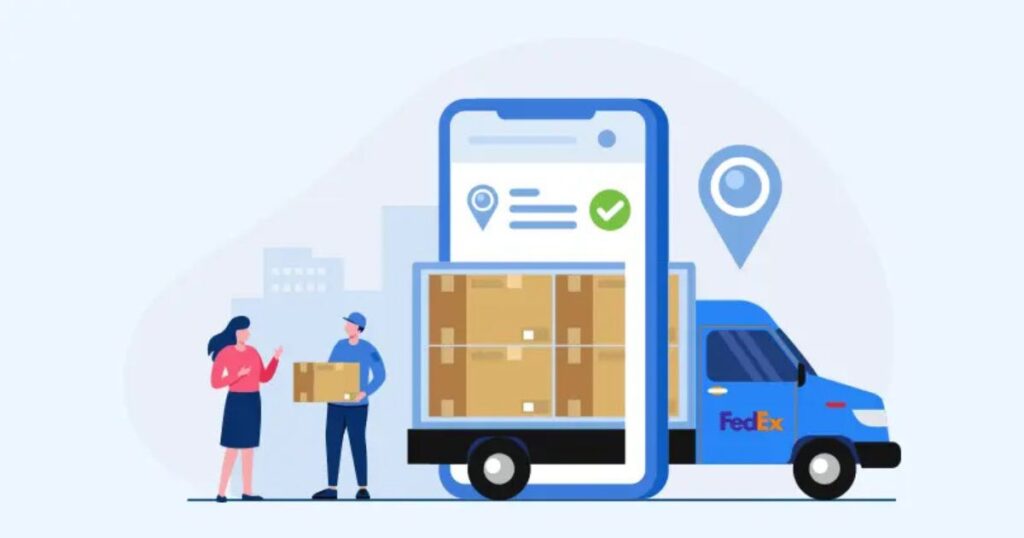
- Shipping Services: FedEx is primarily focused on parcel delivery and related services, such as express shipping, freight, and international shipping.
- Prepaid Cards at FedEx Office: While FedEx does not sell traditional gift cards for retailers, they may carry prepaid Visa/Mastercard cards in some of their office or retail locations. These cards can be used like debit cards for shopping, including at stores or online.
🚗 Where to Buy Gift Cards
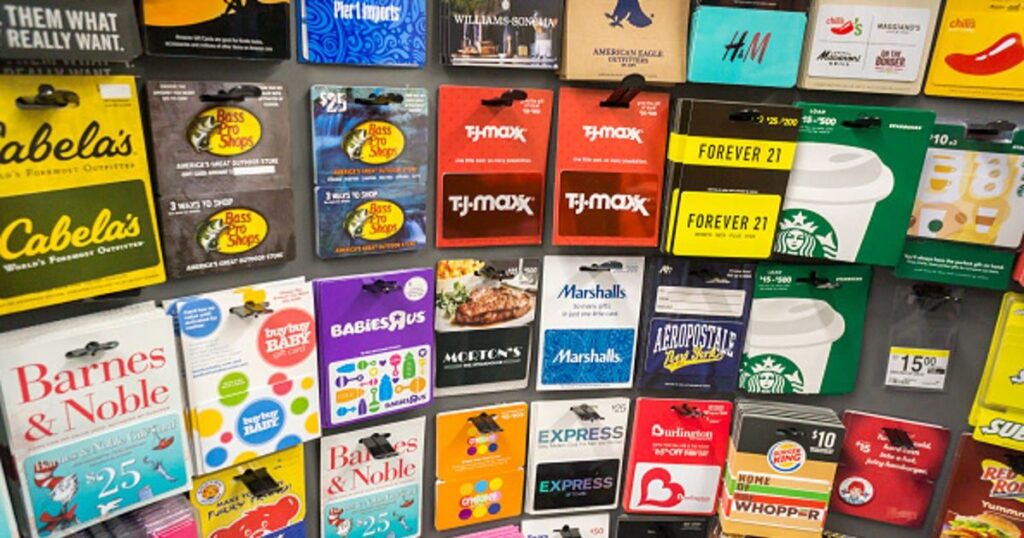
If you’re looking to buy gift cards for specific retailers or services, you would typically go to:
- Retail stores: Major retailers like Walmart, Target, and grocery stores sell a wide variety of gift cards.
- Online retailers: Websites like Amazon or eBay offer a range of gift cards for popular brands.
- Banks or financial institutions: Many banks and credit card companies also sell gift cards.
✅ Final Answer
FedEx does not sell gift cards for retail purposes. They do sell prepaid cards at some locations, but these are general-use cards, not specific to gift card purchases for stores. For traditional gift cards, you would need to visit a retail store or online retailer.

Get in Touch: Dial 9592307317 for Expert Assistance

Verified Business Inquiry Number 6014383636

Decoding 2046417895: What You Need to Know

Does a Check Engine Light Fail Inspection?
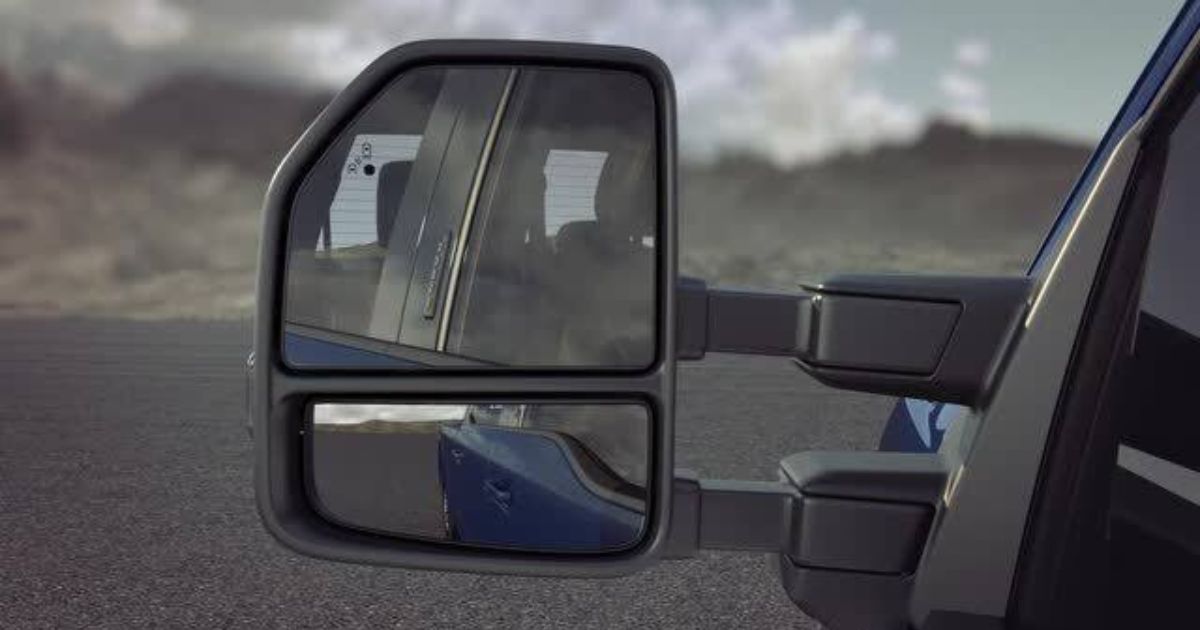
How to Adjust U-Haul Mirrors for Safe Driving
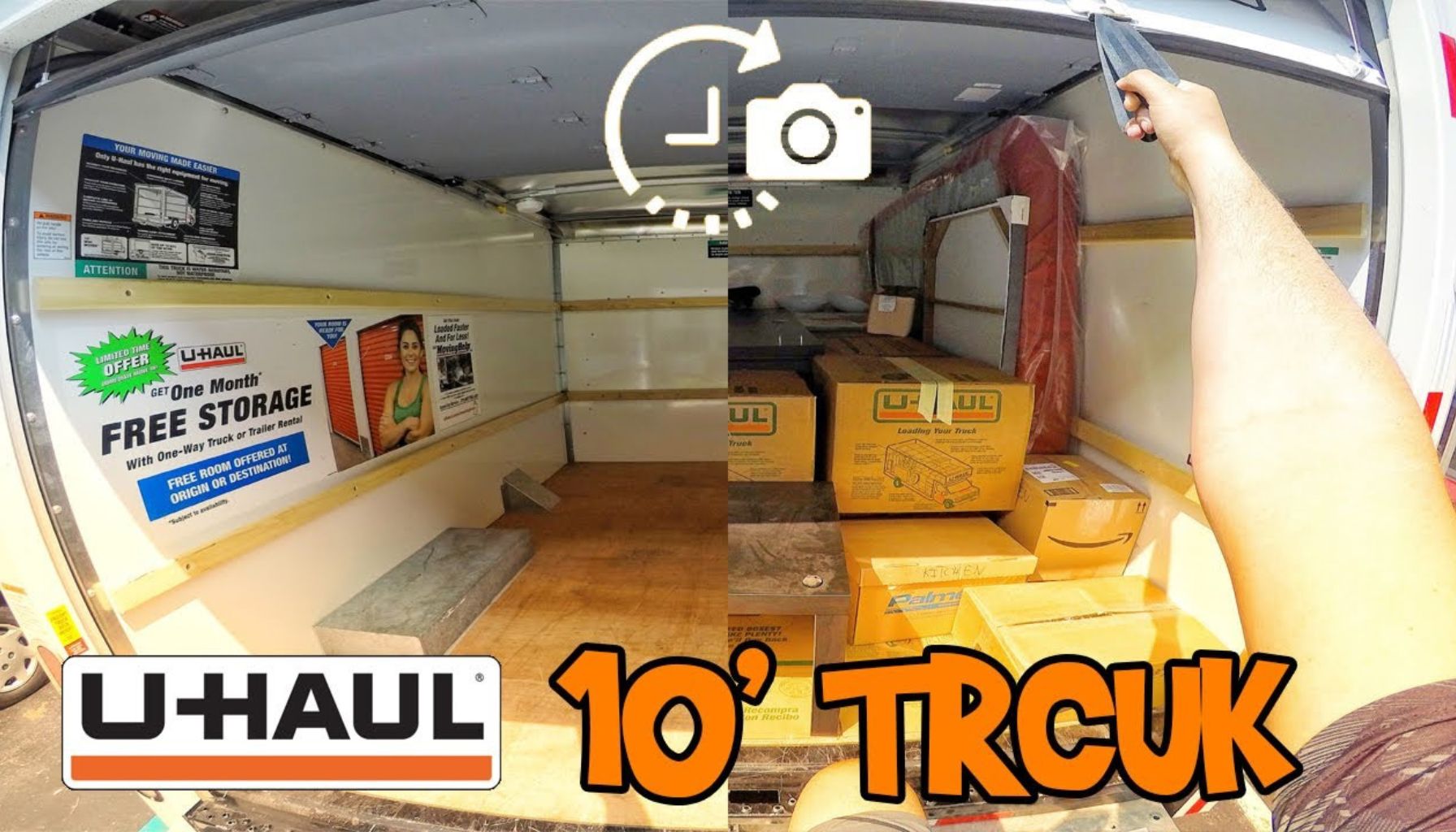
How to Load a 10′ U-Haul Truck Efficiently
-

 Business2 weeks ago
how much is audley s8074-3 dtf printer
-

 Blog2 weeks ago
8168752200: Meaning, Details and Complete Information Guide
-

 Electronics2 weeks ago
how much does paymore pay for laptops
-

 Printing2 weeks ago
how much does a ceramic decal printer cost
-

 Real Estate2 weeks ago
how much do estate agents charge to sell a house
-

 Blog2 weeks ago
6063304649: Meaning, Details, and Complete Information Explained
-

 Blog1 week ago
6036075559: Unknown Caller Details, Location & Spam Check Guide
-

 Home Improvement2 weeks ago
how much dnb does electric leaf blower produce