
Information
How Do Tolls Work with U-Haul?

When driving a U-Haul truck or trailer, tolls are a common part of the journey. Here’s how tolls work with U-Haul rentals and how you can handle them during your move.
1. Tolls for U-Haul Vehicles
✔ Toll Roads, Bridges, and Tunnels – U-Haul vehicles are subject to tolls on highways, bridges, and tunnels where applicable.
✔ Toll Booth Payments – You’ll need to pay at the booth or use an electronic toll pass for most toll roads.
✔ Toll Charges – U-Haul rentals are charged the same toll fees as other vehicles, but some fees may vary based on vehicle weight and size.
📌 Tip: The toll amount depends on the type of U-Haul and the route taken.
2. Electronic Toll Devices (Toll Passes)
How U-Haul Handles Tolls
✔ With Toll Pass Devices – U-Haul does not automatically provide a toll pass for rentals, but some locations offer the option to rent a TollPass for convenience.
✔ Rent a Toll Pass – If you plan to use toll roads frequently, you can rent a TollPass device when picking up your truck. This device allows you to drive through toll lanes without stopping.
✔ Toll Pass Fees – Rental locations may charge a daily fee in addition to the tolls.
📌 Tip: Check with the U-Haul rental location to see if they offer a TollPass rental.
3. Paying Tolls at the Booth
If you don’t have a toll pass, you can pay cash or credit card at the toll booths.
✔ Truck-Specific Toll Rates – U-Haul trucks, especially larger trucks (e.g., 15 ft or 26 ft), may face higher toll fees than standard vehicles.
✔ Keep Track of Tolls – Note toll amounts for expense tracking or reimbursement, as tolls are charged per section of road or bridge.
📌 Tip: Keep cash or a credit card ready for toll payments, especially in areas without toll passes.
4. Tolls for U-Haul Trailers
✔ Separate Charges – If you’re towing a U-Haul trailer, it may be subject to additional toll charges based on weight and length.
✔ Larger Trailers – Longer or heavier trailers may be subject to higher toll rates compared to a basic cargo trailer.
📌 Tip: Check toll rates for trailers before traveling through high-cost toll areas.
5. How to Avoid Tolls with U-Haul
✔ Use Alternative Routes – Avoid toll roads by using free routes.
✔ GPS & Apps – Use Google Maps, Waze, or U-Haul’s suggested routes to help plan your trip around tolls.
📌 Tip: Be mindful of local toll laws and consider avoiding tolls if they are too costly for your route.
FAQs
1. Does U-Haul provide a toll pass for rental vehicles?
Some locations offer a TollPass rental, but it’s not automatically included.
2. How much are tolls with U-Haul?
Toll costs depend on the toll road and the type of U-Haul vehicle you’re driving. Larger trucks may incur higher tolls.
3. How do I pay tolls with a U-Haul truck?
You can pay at the toll booth, use an electronic toll pass if rented, or pay via mobile apps if available.
4. Can I avoid tolls with a U-Haul?
Yes, by taking alternate routes or using GPS apps that help you find toll-free paths.
5. Are tolls included in the U-Haul rental price?
No, tolls are separate and must be paid by the renter either through toll booths or toll passes.
Final Thoughts
Tolls with U-Haul rentals are payable through cash, credit card, or electronic toll passes. To save money, consider renting a toll pass, using alternative routes, or budgeting for higher toll fees depending on the vehicle and route. 🚛💸
Also check:

Introduction
The term Pappedeckel is a colloquial German word that literally means cardboard lid. In everyday life, it is often used to describe disposable beer mats, coasters, or sometimes simple cardboard covers placed over containers. The word reflects Germany’s long tradition of beer culture and hospitality, where small details such as a coaster made from cardboard are essential to the drinking experience.
Beyond its literal meaning, Pappedeckel has also found its way into cultural expressions, jokes, and even music. One of the most famous cultural references is the German carnival song Am Aschermittwoch ist alles vorbei, which uses the phrase “Jupp, der Pappedeckel” as a humorous symbol of ordinary life.
Because of its strong connection to daily habits, beer culture, and materials like cardboard, the word Pappedeckel represents more than a simple object; it symbolizes traditions, sustainability, and even social interaction.
Etymology and Meaning
The German word Pappedeckel can be broken down into two components:
- Pappe – meaning cardboard or board made of paper pulp. (Cardboard)
- Deckel – meaning lid or cover. (Lid)
Together, they describe a lid or cover made from cardboard. However, in German colloquial speech, the term is most commonly associated with coasters used in bars, restaurants, and beer halls. These coasters are placed under glasses of beer to protect the table surface and to absorb any condensation or spills.
Historical Background of the Beer Mat
The modern Pappedeckel owes its popularity to the history of the beer mat. The first commercial beer mats were made in Germany in the late 19th century. They were typically round, made of cardboard, and quickly became a standard item in pubs and breweries.
Beer mats served two purposes:
- Practical – keeping tables clean and dry.
- Promotional – breweries often printed logos, slogans, or artwork on them.
This combination of practicality and advertisement helped them spread throughout Europe and eventually the world. According to historical accounts, the company Friedrich Horn in Dresden was one of the pioneers in producing such mats. Today, collectors of beer mats exist all over the world, treating them as cultural and historical artifacts.
Pappedeckel in German Culture
Germany has a strong tradition of beer culture, with famous events like Oktoberfest and centuries of brewing heritage. In such a culture, even small objects like a cardboard coaster can take on symbolic value.
- Carnival Songs: In Cologne’s carnival traditions, the word Pappedeckel often appears in humorous songs. The playful sound of the word makes it a favorite for rhymes and jokes.
- Dialect and Slang: In some regions, calling someone a Pappedeckel can be a lighthearted insult, implying that the person is simple or not very clever.
- Everyday Use: In restaurants and beer gardens, the number of coasters under a glass is sometimes used to count how many drinks a customer has consumed, making it part of the informal payment system.
Material and Production
The Pappedeckel is usually made from absorbent cardboard, which is pressed and cut into circular or square shapes. Typical features include:
- Thickness: Designed to absorb liquid but still remain firm.
- Shape: Round or square, depending on regional preferences.
- Prints: Logos, colorful designs, or even seasonal artwork.
Cardboard itself is a versatile material. As explained in the cardboard article, it is widely used for packaging, storage, and disposable products because it is lightweight, inexpensive, and recyclable. The Pappedeckel is a classic example of how cardboard can serve both functional and cultural purposes.
Environmental Perspective
One of the advantages of the Pappedeckel is its environmental sustainability. Unlike plastic coasters, cardboard coasters are biodegradable and recyclable. In an era when environmental issues such as recycling and waste reduction are increasingly important, the humble Pappedeckel stands as a small but positive example of eco-friendly design.
Some breweries and bars have even begun producing coasters with messages about sustainability, reminding customers of their role in reducing waste.
Pappedeckel as a Collector’s Item
What might appear to be an ordinary cardboard coaster is, for some people, a valuable collectible. The hobby of collecting beer mats is known as tegestology (from the Latin teges, meaning cover). Collectors, called tegestologists, often exchange, catalog, and preserve beer mats from around the world.
For these enthusiasts, Pappedeckel is not only about beer but also about history, art, and design. Each coaster tells a story about the brewery, the region, and sometimes even political or cultural events printed on it. This has elevated the Pappedeckel from disposable item to cultural artifact.
Cultural Comparisons
While Germany is most strongly associated with the word Pappedeckel, other cultures also use beer mats or similar items.
- In Britain, beer mats are widespread in pubs.
- In the United States, they are often used in breweries and bars, sometimes made from thicker cardboard.
- In Japan, coasters may be made from wood or bamboo, reflecting different material traditions.
However, the German Pappedeckel is unique for its linguistic charm and its deep integration into social and cultural practices.
Symbolism and Idioms
The word Pappedeckel has also found metaphorical use. Because it refers to something simple, cheap, and easily disposable, it can be used in jokes or idioms to describe triviality. For example, someone might say:
- “Das ist doch nur ein Pappedeckel!” – meaning “That’s just a piece of cardboard!” to downplay importance.
Such expressions show how everyday objects influence language and humor.
Future of the Pappedeckel
Despite the rise of digital culture, the Pappedeckel remains relevant. Its uses may evolve, but it is unlikely to disappear soon. Future trends include:
- Customization: Personalized coasters for weddings, events, or promotions.
- Eco-Innovation: Use of recycled paper, eco-friendly inks, and biodegradable coatings.
- Digital Integration: QR codes printed on coasters linking to menus, apps, or promotions.
Thus, the Pappedeckel continues to adapt while holding onto its traditional role in beer culture.
Conclusion
The German word Pappedeckel may seem simple, but it carries deep cultural meaning. It is a cardboard coaster that reflects Germany’s strong beer tradition, creativity, and even humor. From cardboard manufacturing to Oktoberfest celebrations, from sustainability to collecting hobbies, the Pappedeckel plays many roles.
Far from being a throwaway item, it is an example of how ordinary objects shape daily life and cultural identity. In its modest way, the Pappedeckel is a symbol of practicality, tradition, and even joy.

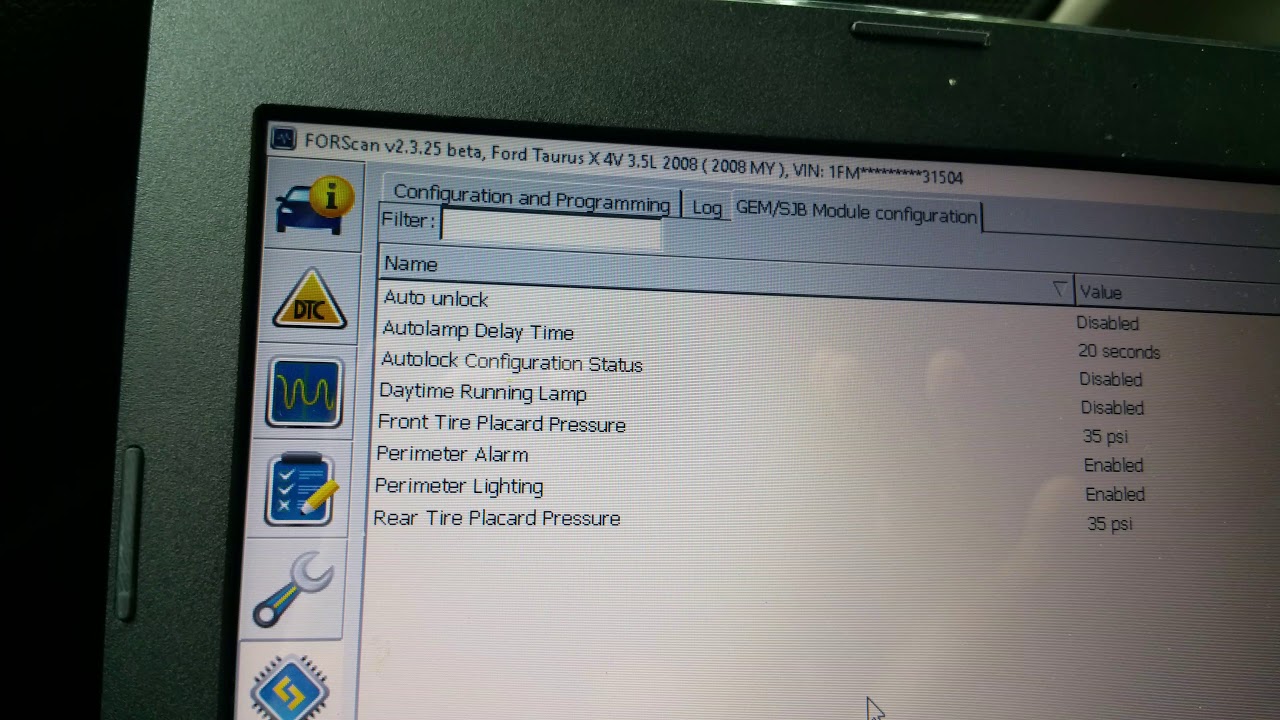
No, Forscan does not typically work on Chevy vehicles. Forscan is primarily designed to work with Ford, Lincoln, Mazda, and Mercury vehicles. It is a diagnostic tool and software that allows users to perform various functions like reading and clearing diagnostic trouble codes (DTCs), programming modules, and accessing various vehicle parameters for those specific brands.
⚙️ How Forscan Works
Forscan is compatible with OBD-II interfaces and uses a special software application for reading and resetting error codes, configuring vehicle settings, and performing specific tasks like programming keys or resetting service lights. It is tailored for vehicles made by Ford and similar brands like Mazda, and its features are fine-tuned for those car manufacturers’ systems.
🚗 What to Use for Chevy Vehicles
For Chevy and other GM (General Motors) vehicles, other diagnostic tools are more suitable. Some popular options include:
- Tech 2: A professional diagnostic tool used by GM dealerships for diagnostics, programming, and calibration on GM vehicles.
- OBD-II Scanners: Generic OBD-II scanners that are compatible with most vehicles, including Chevy, can read and clear trouble codes.
- Chevrolet’s OBD-II Tool or Software: GM offers proprietary tools for diagnostics and service, such as the GDS2 (Global Diagnostic System 2), but these are typically used by professional mechanics or dealerships.
✅ Final Answer
Forscan does not work on Chevy vehicles, as it is specifically designed for Ford, Lincoln, Mazda, and Mercury vehicles. For Chevy diagnostics and programming, you would need to use other tools, such as OBD-II scanners, GM’s proprietary software, or professional tools like Tech 2.
Yes, 4-wheel drive (4WD) does use more gas compared to 2-wheel drive (2WD). The reason for this is simple: a 4WD system powers all four wheels of the vehicle, whereas in a 2WD system, only two wheels are engaged. This means that with 4WD, the engine has to work harder to turn all four wheels, leading to increased fuel consumption.
If you frequently use 4WD, especially in situations where it’s not necessary (like driving on paved roads), you’re likely to notice a dip in fuel efficiency.
Why Does 4-Wheel Drive Use More Gas?
The increased fuel consumption of 4WD can be attributed to several factors:
- Extra Weight: Vehicles with 4WD systems are usually heavier due to the added drivetrain components, such as extra axles, driveshafts, and the transfer case. This added weight requires more energy to move, resulting in higher fuel consumption.
- More Power Required: Engaging all four wheels means the engine has to send power to both the front and rear axles, demanding more fuel to maintain that power.
- Drivetrain Resistance: Even when driving on smooth, dry roads, the additional resistance from the extra components in the 4WD system causes the engine to work harder, which uses more gas.
When Does 4-Wheel Drive Use the Most Fuel?
4WD systems are most beneficial in conditions that require extra traction, such as:
- Off-roading
- Driving in snow, mud, or sand
- Climbing steep inclines
However, when driving on smooth, dry, or paved roads, 4WD consumes more fuel than necessary. If you don’t need the extra traction, it’s often best to switch the system to 2WD (if your vehicle allows it) to save on gas.
How to Maximize Fuel Efficiency with 4WD
If you drive a 4WD vehicle, here are some tips to help reduce its impact on your fuel economy:
- Use 4WD Only When Needed: Turn off the 4WD system when driving on smooth, dry roads or when it’s not necessary for traction.
- Drive Smoothly: Avoid aggressive acceleration and braking. Smooth driving habits help maintain better fuel efficiency, even with 4WD.
- Keep Your Tires Properly Inflated: Under-inflated tires increase rolling resistance, which can further decrease fuel efficiency.
- Maintain Your Vehicle: Regular maintenance, such as timely oil changes and air filter replacements, helps improve overall fuel efficiency.
How Much More Gas Does 4-Wheel Drive Use?
On average, 4WD can decrease your vehicle’s fuel economy by 2 to 5 miles per gallon (MPG) compared to a 2WD system. This varies depending on the vehicle, terrain, and driving conditions. For example, you might notice a more significant difference if you’re frequently driving in challenging conditions (like off-road) compared to urban or highway driving.
Conclusion
4-wheel drive does use more gas than 2-wheel drive, primarily because it demands more power from the engine and adds extra weight to the vehicle. However, when used appropriately (mainly when you need the extra traction), 4WD can be invaluable. If you’re looking to save fuel, it’s best to switch to 2WD when you don’t need the extra power, and drive efficiently to minimize the impact on your fuel consumption.
Also Check:
• Does the 2023 Chevy Traverse Have a Separate Start-Stop Battery?
• Does the 2018 Honda Accord Touring 2.0T Require Premium Gasoline?

how to make your own cleansing oil

how to pair 2 jbl eon 715 speakers together

how to play game dyingevil td7 in pc online
Can You Rent a Storage Unit for a Month?

How to Cancel a Storage Unit Rental
How to Use KARR Security System: A Complete guide
-
 Electronics5 days ago
how to pair 2 jbl eon 715 speakers together
-
 Beauty4 days ago
how to make your own cleansing oil
-
 Automotive1 week ago
How to Replace Windshield Washer Nozzle for 2013 Jeep Patriot
-

 Education5 days ago
how to print a report card in powerschool
-
 Technology1 week ago
How to Set Honuras Time Zone on a WR20BAR G-Shock
-

 Automotive1 week ago
How to Replace Transmission Seal on A1078 Corvette
-
 Technology5 days ago
how to plumb a two line wet kit
-
 Gaming5 days ago
how to play game dyingevil td7 in pc online
Pingback: How to Load a 10' U-Haul Truck Efficiently - Wizaca
Pingback: Can I Use My Transponder in a U-Haul? - Wizaca