
Business
How to Value a Plumbing Business the Right Way


Valuing a plumbing business is a critical process whether you are considering buying, selling, or investing in one. The value of a plumbing business reflects its financial health, market position, customer base, reputation, and growth potential. Unlike large corporations, small and medium-sized plumbing businesses often have unique characteristics, including owner dependency, local market focus, and varying cash flow patterns. Understanding how to accurately determine a plumbing business’s worth requires a combination of financial analysis, market research, and knowledge of the plumbing industry.
Understanding the Importance of Business Valuation
Business valuation is essential for several reasons. For owners planning to sell, it helps set a realistic price and negotiate effectively. For potential buyers, valuation provides insight into the investment’s risk and expected return. Lenders and investors also rely on valuation to assess collateral or funding potential. Proper valuation can also inform strategic decisions, such as expansion, mergers, or succession planning.
Valuation is not simply about looking at current revenue or profits. A comprehensive valuation considers tangible and intangible assets, liabilities, market trends, and operational efficiency. In the plumbing sector, factors like customer loyalty, reputation for quality, and licensing credentials can significantly influence business value.
Key Methods to Value a Plumbing Business
Several standard methods exist to value a plumbing business, each with advantages and limitations. Using multiple approaches often provides a more accurate picture.
1. Asset-Based Valuation
Asset-based valuation calculates the business’s worth based on its tangible and intangible assets minus liabilities. Tangible assets include equipment, vehicles, inventory, and property. Plumbing businesses often invest in specialized tools, service vans, and pipe inspection equipment. Intangible assets include trademarks, customer lists, and goodwill.
The process involves:
- Listing all tangible assets and assigning a fair market value.
- Identifying intangible assets and estimating their worth.
- Deducting outstanding liabilities such as loans, unpaid bills, and vendor obligations.
Asset-based valuation works well for businesses with substantial equipment or property holdings but may undervalue service-oriented plumbing businesses where customer relationships and brand reputation are the primary drivers of value.
2. Income-Based Valuation
Income-based valuation focuses on the business’s ability to generate profits over time. The most common method is the capitalization of earnings or discounted cash flow (DCF). This method calculates the present value of expected future profits, adjusted for risk and market conditions.
For a plumbing business, this involves:
- Reviewing historical financial statements for revenue, gross margin, and net profit trends.
- Normalizing earnings by removing owner-specific expenses or one-time costs.
- Projecting future cash flows based on market demand, pricing, and operational capacity.
- Applying a capitalization rate or discount rate to account for risk and time value of money.
Income-based valuation is particularly effective for established plumbing businesses with consistent cash flow and a strong client base.
3. Market-Based Valuation
Market-based valuation compares the plumbing business to similar businesses that have recently sold. This approach uses multiples of revenue, EBITDA (Earnings Before Interest, Taxes, Depreciation, and Amortization), or net profit derived from market transactions.
Key steps include:
- Researching comparable plumbing businesses in similar locations and service niches.
- Calculating average sales multiples for those businesses.
- Applying these multiples to the target business’s financial metrics.
This method is highly influenced by market trends and can vary based on geographic region, competition, and economic conditions. Market-based valuation is useful for determining a fair market price in active transaction environments.
Factors Influencing the Value of a Plumbing Business
Valuing a plumbing business involves considering a variety of operational, financial, and market factors.
1. Financial Performance
Revenue, gross profit margin, net income, and cash flow are primary indicators of business health. Businesses with steady, growing revenue streams and healthy margins are valued higher. Consistency in financial performance demonstrates operational stability, which is attractive to buyers and investors.
2. Customer Base and Contracts
A loyal customer base and recurring service contracts increase value. Plumbing businesses with long-term maintenance agreements or commercial contracts are more attractive because they provide predictable revenue. Customer diversity also matters; a business heavily dependent on a few clients carries higher risk.
3. Reputation and Brand
In the plumbing industry, reputation is crucial. Positive online reviews, strong community presence, and recognized expertise can add significant intangible value. A strong brand reduces marketing costs and supports pricing power, increasing overall business worth.
4. Staff and Management
Skilled technicians and competent management teams enhance a plumbing business’s value. Buyer confidence increases when the business can operate independently of the owner, ensuring continuity post-sale. Owner-dependent businesses are riskier and may receive lower valuations.
5. Equipment and Technology
Modern tools, vehicles, and technology for scheduling, billing, and diagnostics are valuable assets. Well-maintained equipment reduces replacement costs and supports operational efficiency, making the business more attractive to potential buyers.
6. Market Conditions
Economic trends, demand for plumbing services, and competition in the local area influence valuation. High demand areas with limited competition increase potential profitability, while saturated markets may limit growth and lower value.
7. Legal and Regulatory Compliance
Licenses, certifications, and adherence to local regulations are critical in plumbing businesses. Non-compliance can reduce value significantly or even prevent a sale. Proper documentation of permits, insurance, and certifications reassures buyers and can positively affect valuation.
Steps to Prepare a Plumbing Business for Valuation
Preparation is key to maximizing the perceived value.
- Organize Financial Records: Maintain accurate statements for at least the past three years. Include revenue, expenses, taxes, and cash flow statements.
- Clean and Maintain Equipment: Ensure all tools, vehicles, and machinery are functional and well-maintained.
- Document Customer Contracts: Gather all agreements and highlight recurring revenue streams.
- Enhance Online Presence: Improve reviews, update the website, and showcase service quality.
- Streamline Operations: Reduce owner dependency by delegating tasks and training staff.
- Address Legal Issues: Ensure all licenses, certifications, and insurance policies are current.
Proper preparation often leads to a higher valuation and a smoother transaction process.
Common Mistakes in Valuing a Plumbing Business
Several pitfalls can lead to inaccurate valuations.
- Overestimating Revenue: Using gross revenue without considering expenses inflates value.
- Ignoring Owner Dependency: A business heavily reliant on the owner is riskier and less valuable.
- Neglecting Market Trends: Failing to consider local market conditions and competition can misrepresent potential growth.
- Excluding Intangible Assets: Reputation, brand recognition, and customer loyalty are often undervalued.
- Underestimating Liabilities: Outstanding debts and pending legal issues can significantly reduce value.
Avoiding these mistakes ensures a realistic and credible valuation.
Professional Valuation Services
While business owners can perform preliminary valuations, hiring professional valuation experts can provide a more accurate and defendable estimate. Certified business appraisers, accountants, and industry consultants use comprehensive methods to assess financials, market conditions, and industry benchmarks. Professional valuations are especially important for large transactions, financing, or legal matters.
Conclusion
Knowing how to value a plumbing business is essential for informed decision-making whether buying, selling, or expanding. Accurate valuation combines financial analysis, market research, and understanding of operational strengths and weaknesses. Asset-based, income-based, and market-based approaches each provide valuable perspectives, and combining them often results in a comprehensive understanding of the business’s worth.
Consider factors such as financial performance, customer base, reputation, staff competency, equipment, market conditions, and regulatory compliance to get a realistic estimate. Preparation, professional guidance, and attention to detail can significantly increase the perceived value and facilitate a smooth transaction. Proper valuation ensures that plumbing business owners and potential buyers can make strategic decisions based on accurate and actionable information, maximizing the benefits of their investment or sale.
A well-valued plumbing business reflects both tangible and intangible strengths, providing clarity, security, and confidence for all parties involved in a transaction.
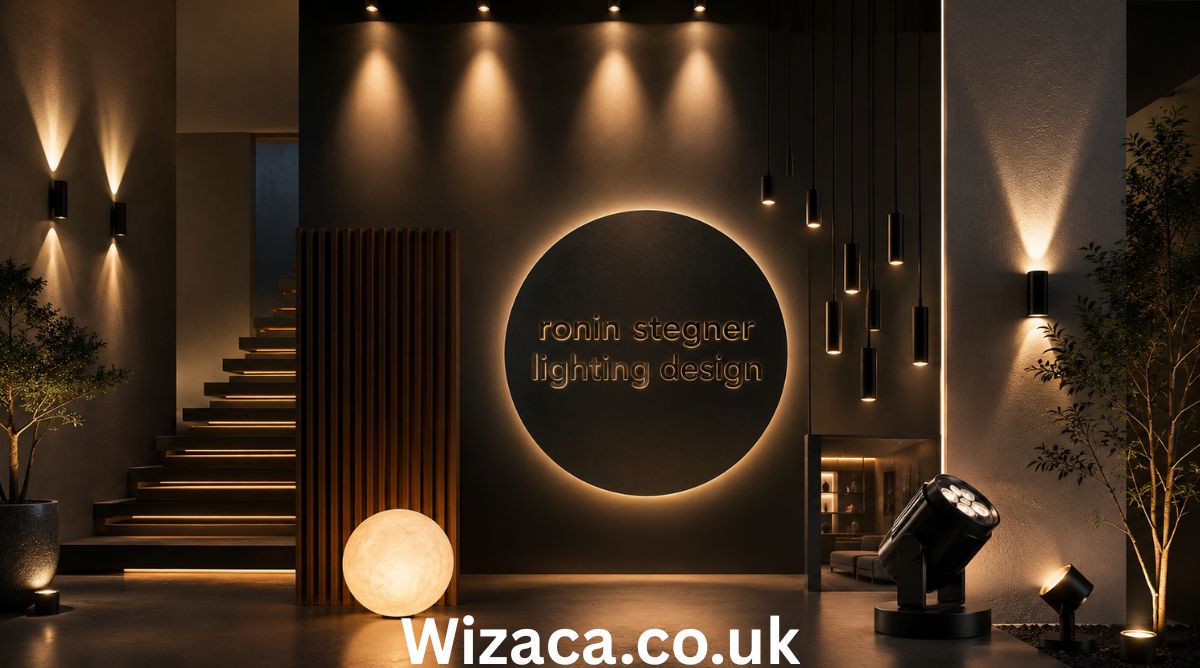
Introduction to ronin stegner lighting design
Ronin stegner lighting design represents the creative and technical process of planning, developing, and implementing lighting solutions that improve the appearance, functionality, and atmosphere of spaces. Lighting design is an essential discipline in architecture, interior design, entertainment, commercial development, and residential planning because it directly affects visibility, mood, energy efficiency, and spatial perception.
Modern lighting design combines artistic creativity with technical precision to create environments that are visually appealing and practical. Designers consider brightness levels, color temperature, fixture placement, energy consumption, and human comfort when developing lighting systems.
Within the field of Lighting Design, professionals focus on balancing aesthetics, efficiency, and functionality to improve both indoor and outdoor environments.
Importance of lighting design in modern spaces
Lighting is one of the most influential elements in environmental design because it affects how people experience and interact with spaces.
Well-designed lighting can make rooms feel larger, warmer, brighter, safer, or more comfortable. Poor lighting, however, may reduce visibility, create discomfort, and negatively affect the overall atmosphere.
Within Interior Design, lighting is considered a critical factor in shaping spatial quality and visual harmony.
Effective lighting design improves both beauty and functionality.
Core principles of lighting design
Lighting designers use several important principles when creating lighting systems.
These principles include balance, contrast, visibility, focus, efficiency, layering, and consistency. Designers carefully combine ambient, task, and accent lighting to create visually comfortable environments.
Within Architectural Engineering, lighting systems are planned to support structural aesthetics and practical performance requirements.
Proper planning ensures effective illumination while reducing unnecessary energy usage.
Ambient lighting and overall illumination
Ambient lighting provides general illumination that allows people to move safely and comfortably within a space.
This type of lighting creates the foundation for all other lighting elements and establishes the overall brightness level of an environment.
Within Environmental Design, ambient lighting contributes significantly to comfort, usability, and atmosphere.
Balanced ambient lighting prevents excessive shadows and improves spatial clarity.
Task lighting for functionality and productivity
Task lighting is designed to support specific activities that require focused visibility such as reading, cooking, studying, office work, or detailed craftsmanship.
Ronin stegner lighting design may emphasize the importance of positioning task lights correctly to reduce eye strain and improve productivity.
Within Ergonomics, proper lighting conditions are important for reducing fatigue and improving work performance.
Well-placed task lighting enhances concentration and visual comfort.
Accent lighting and visual emphasis
Accent lighting is used to highlight architectural features, artwork, decorative elements, textures, or focal points within a space.
This lighting technique creates depth, contrast, and visual interest by directing attention toward selected areas.
Within Visual Arts, lighting is often used to shape emotional response and artistic presentation.
Accent lighting adds sophistication and dramatic effect to interior and exterior environments.
Color temperature and atmosphere
Color temperature is an important aspect of lighting design because it influences mood and environmental perception.
Warm lighting creates cozy and relaxing environments, while cooler lighting is often associated with focus, productivity, and modern aesthetics.
Within Color Theory, lighting color significantly affects emotional response and visual experience.
Designers carefully select color temperatures to match the intended purpose of a space.
Energy efficiency in modern lighting design
Energy efficiency has become a major focus in contemporary lighting systems due to environmental concerns and rising energy costs.
Modern lighting design often incorporates efficient technologies that reduce electricity consumption while maintaining high performance.
Within Sustainable Design, energy-efficient lighting contributes to long-term environmental and economic benefits.
Efficient systems help reduce operational expenses and environmental impact.
LED technology and advanced lighting systems
LED technology has transformed modern lighting design because of its durability, efficiency, brightness control, and design flexibility.
LED fixtures are commonly used in residential, commercial, architectural, and entertainment lighting applications.
Within Electrical Engineering, LED development represents a major advancement in modern illumination systems.
LED lighting provides longer lifespan and lower energy consumption compared to traditional lighting technologies.
Lighting design in residential environments
Residential lighting design focuses on creating comfortable, functional, and visually appealing living spaces.
Different rooms require different lighting strategies depending on activities and design preferences. Kitchens may require brighter task lighting, while bedrooms often use softer ambient lighting.
Within Residential Design, lighting is considered essential for improving comfort and enhancing interior aesthetics.
Thoughtful lighting placement improves daily living experiences.
Commercial and office lighting design
Commercial lighting systems are designed to improve productivity, visibility, customer experience, and workplace efficiency.
Retail stores, offices, restaurants, and hotels often use specialized lighting strategies to support branding, comfort, and functionality.
Within Commercial Design, lighting directly influences customer perception and employee performance.
Effective commercial lighting creates inviting and professional environments.
Outdoor and landscape lighting
Outdoor lighting design improves safety, navigation, security, and visual appeal in exterior spaces.
Landscape lighting may highlight pathways, gardens, architectural structures, or outdoor gathering areas.
Within Landscape Architecture, lighting enhances nighttime visibility while contributing to aesthetic presentation.
Proper outdoor illumination creates attractive and secure environments.
Entertainment and stage lighting design
Lighting design also plays a major role in entertainment industries including theater, concerts, television, and film production.
Stage lighting is used to create atmosphere, direct audience attention, support storytelling, and enhance emotional impact.
Within Performing Arts, lighting is considered a powerful storytelling and visual communication tool.
Dynamic lighting effects contribute significantly to audience engagement.
Smart lighting and automation systems
Smart lighting technology allows users to control brightness, color, scheduling, and energy usage through automated systems and mobile devices.
Ronin stegner lighting design may involve integrating intelligent systems that improve convenience, customization, and efficiency.
Within Automation Engineering, smart technologies improve operational control and energy management.
Automated lighting systems continue becoming more advanced and accessible.
Human comfort and psychological effects of lighting
Lighting affects not only visibility but also emotional well-being, concentration, sleep patterns, and psychological comfort.
Poor lighting conditions may contribute to stress, fatigue, or reduced productivity, while balanced lighting can improve mood and comfort.
Within Environmental Psychology, lighting is recognized as an important influence on human behavior and emotional response.
Designers often consider psychological impact when planning lighting environments.
Challenges in lighting design projects
Lighting designers must balance aesthetics, budget limitations, technical constraints, energy regulations, and user preferences.
Achieving proper illumination while avoiding glare, shadows, excessive brightness, or energy waste requires careful planning and expertise.
Within Project Management, successful lighting projects require organization, collaboration, and technical precision.
Effective communication between designers, architects, and engineers improves project outcomes.
Future trends in lighting design
The future of lighting design is expected to focus on sustainability, smart technology, adaptive systems, and human-centered environments.
Advancements in artificial intelligence, automation, and energy-efficient materials may further transform the lighting industry.
Within Artificial Intelligence, intelligent lighting systems are being developed to adapt automatically to environmental conditions and user behavior.
Future innovations may provide greater personalization, efficiency, and environmental responsibility.
Conclusion
Ronin stegner lighting design reflects the combination of creativity, technology, and functionality required to develop effective lighting environments. Within the framework of Lighting Design, lighting influences visibility, atmosphere, comfort, efficiency, and architectural aesthetics across residential, commercial, entertainment, and outdoor spaces.
Modern lighting design continues evolving through advancements in LED technology, automation, sustainable practices, and smart control systems.
As technology and design practices continue advancing, lighting design will remain an essential element in shaping safe, beautiful, and efficient environments for everyday life.

Procore Technologies is a widely recognized platform in the construction industry, offering cloud-based solutions for project management, collaboration, and financial tracking. As the construction sector increasingly adopts digital tools, Procore has established itself as a major player. However, it operates in a highly competitive environment, with numerous companies providing similar or alternative solutions tailored to different needs. Understanding Procore Technologies competitors requires examining the broader landscape of construction software within the field of Construction Management and how various platforms differentiate themselves.
The competition in this space is driven by innovation, pricing strategies, feature sets, and the ability to address specific industry challenges. Each competitor brings unique strengths, targeting different segments of the market, from small contractors to large enterprise-level construction firms.
Overview of the Construction Software Market
The construction software market has grown significantly in recent years due to the demand for efficiency, transparency, and real-time collaboration. Traditional methods of managing construction projects often involve manual processes and fragmented communication, which can lead to delays and errors.
Modern platforms aim to centralize data, streamline workflows, and improve decision-making. Procore is one of many solutions designed to achieve these goals, but it faces strong competition from both established companies and emerging startups.
The market includes a wide range of tools, such as project management software, cost estimation systems, scheduling platforms, and field management applications. This diversity creates a dynamic environment where companies must continuously innovate to remain competitive.
Key Competitors in the Industry
Several companies compete directly or indirectly with Procore Technologies by offering similar functionalities or targeting the same customer base. One of the major competitors is Autodesk, which provides construction solutions through its suite of tools, including project management and design integration. Autodesk’s strength lies in its deep integration with design and engineering software, making it a preferred choice for firms that require seamless workflows between design and construction phases.
Another significant competitor is Oracle, particularly through its construction and engineering solutions. Oracle offers enterprise-level platforms that focus on large-scale projects, providing advanced features for cost control, risk management, and analytics.
Trimble is also a key player in this space, offering solutions that combine hardware and software to enhance construction efficiency. Trimble’s focus on precision and data integration makes it a strong competitor for companies that require detailed project insights.
Buildertrend targets residential construction and smaller contractors, offering user-friendly tools for project management, scheduling, and customer communication. Its accessibility and ease of use make it a popular alternative to Procore for smaller businesses.
PlanGrid, which has been integrated into Autodesk’s ecosystem, provides document management and field collaboration tools. Its focus on simplifying access to project documents makes it a valuable tool for on-site teams.
Feature Comparison and Differentiation
Procore Technologies competitors differentiate themselves through their features and capabilities. While Procore offers a comprehensive platform that covers project management, financials, and collaboration, competitors often focus on specific areas to create a competitive edge.
Autodesk, for example, emphasizes integration with design tools, allowing users to move seamlessly from planning to execution. Oracle focuses on enterprise-level solutions with advanced analytics and scalability. Trimble integrates hardware solutions, such as GPS and surveying tools, with its software to provide a more comprehensive approach.
Buildertrend stands out for its simplicity and affordability, making it accessible to smaller businesses. PlanGrid, on the other hand, excels in document management and field accessibility, ensuring that teams have the information they need at all times.
These differences highlight the importance of selecting a platform that aligns with specific project requirements and organizational goals.
Pricing and Accessibility
Pricing is a critical factor in the competition among construction software providers. Procore is often considered a premium solution, which may be more suitable for larger organizations with complex needs.
Competitors like Buildertrend offer more affordable options, making them attractive to smaller contractors and startups. This pricing strategy allows them to capture a different segment of the market.
Enterprise solutions from companies like Oracle may have higher costs but provide advanced features and scalability that justify the investment for large projects.
Accessibility also plays a role in competition. User-friendly interfaces, mobile compatibility, and ease of implementation are important considerations for companies evaluating software options.
Integration and Ecosystem
Integration capabilities are a key differentiator among Procore Technologies competitors. Construction projects often involve multiple tools and systems, making it essential for software platforms to integrate seamlessly with other applications.
Autodesk’s ecosystem is a major advantage, as it connects design, engineering, and construction processes. Trimble’s integration with hardware solutions provides additional value for data collection and analysis.
Procore also offers integration capabilities, but competitors may have an edge in specific areas depending on their focus. The ability to create a cohesive workflow across different systems is a significant factor in choosing the right platform.
Advantages and Limitations of Competitors
Each competitor has its own strengths and limitations. Autodesk’s integration with design tools is a major advantage, but it may require a learning curve for new users. Oracle’s enterprise solutions offer powerful features but may be complex and costly for smaller organizations.
Trimble’s hardware integration provides unique capabilities but may not be necessary for all projects. Buildertrend’s simplicity is a strength, but it may lack some advanced features required for large-scale projects.
PlanGrid’s focus on document management is valuable, but it may need to be combined with other tools for comprehensive project management.
These advantages and limitations highlight the importance of evaluating software based on specific needs rather than relying on general comparisons.
Market Trends and Competition
The competition among Procore Technologies competitors is influenced by broader trends in the construction industry. Digital transformation is driving the adoption of software solutions, creating opportunities for innovation and growth.
Cloud-based platforms are becoming the standard, enabling real-time collaboration and remote access. Mobile technology is also playing a significant role, allowing field teams to access information on the go.
Data analytics and artificial intelligence are emerging trends that are shaping the future of construction software. Companies that can leverage these technologies effectively are likely to gain a competitive advantage.
Choosing the Right Alternative
Selecting the right alternative to Procore Technologies depends on several factors, including project size, budget, and specific requirements. Organizations must evaluate their needs and compare different platforms to determine the best fit.
For large-scale projects with complex requirements, enterprise solutions from companies like Oracle may be more suitable. For smaller projects, platforms like Buildertrend offer a more accessible option.
Integration needs, user experience, and support services are also important considerations. A thorough evaluation process can help organizations make informed decisions and maximize the benefits of their chosen software.
Future Outlook of the Competitive Landscape
The future of Procore Technologies competitors is likely to be shaped by ongoing innovation and technological advancements. As the construction industry continues to evolve, software providers will need to adapt to changing demands.
The integration of advanced technologies, such as artificial intelligence and automation, will play a key role in enhancing functionality and efficiency. Companies that can provide comprehensive and flexible solutions will have a competitive advantage.
The competitive landscape is expected to remain dynamic, with new entrants and evolving strategies contributing to continuous improvement and innovation.
Conclusion
Procore Technologies competitors represent a diverse and dynamic group of companies that are driving innovation in construction software. From Autodesk and Oracle to Trimble, Buildertrend, and PlanGrid, each competitor offers unique features and capabilities.
Understanding these competitors provides valuable insights into the broader construction software market and the factors that influence decision-making. By evaluating features, pricing, integration, and scalability, organizations can select the solution that best meets their needs.
As the industry continues to embrace digital transformation, competition will drive further innovation, ensuring that construction software becomes more efficient, accessible, and powerful in the years to come.

A Request for Information Construction is a formal process used in the construction industry to gather essential details, clarify uncertainties, and improve decision-making during project planning and execution. Commonly referred to as RFI, this process plays a critical role in ensuring that all stakeholders involved in a construction project have access to accurate and up-to-date information. Within the framework of Construction Management, RFIs are considered a foundational communication tool that helps maintain transparency, reduce errors, and support efficient project delivery.
Construction projects are inherently complex, involving multiple teams, technical specifications, and strict timelines. Misunderstandings or missing information can lead to costly delays and rework. The Request for Information Construction process addresses these challenges by providing a structured method for asking questions and receiving clear, documented responses.
Purpose of Request for Information Construction
The primary purpose of a Request for Information Construction is to resolve ambiguities in project documents such as drawings, specifications, and contracts. During the construction process, contractors, subcontractors, and engineers often encounter situations where additional clarification is required. An RFI allows them to formally request this information from the appropriate party.
Another key purpose is to ensure alignment among all stakeholders. Construction projects involve architects, engineers, project managers, and contractors, each with their own responsibilities. RFIs help bridge communication gaps and ensure that everyone is working with the same understanding.
RFIs also serve as a record of communication. By documenting questions and responses, they create a traceable history that can be referenced in case of disputes or audits. This documentation is particularly valuable in large-scale projects where multiple decisions are made over time.
Components of an RFI
A well-structured Request for Information Construction includes several important components. The first is the identification of the project and the specific issue being addressed. This ensures that the request is clearly linked to the relevant part of the project.
The description of the query is another critical element. It should be detailed and precise, providing enough context for the recipient to understand the issue and provide an accurate response. Vague or incomplete descriptions can lead to delays and misunderstandings.
Supporting documents are often included to provide additional clarity. These may include drawings, photographs, or references to specific sections of the project specifications.
The RFI also includes a proposed solution or recommendation. While not always required, this can help expedite the response process by offering a potential resolution for consideration.
Finally, the response section provides the answer or clarification from the relevant authority, such as an architect or engineer. This response is then used to guide the next steps in the project.
Role in Construction Projects
The role of Request for Information Construction extends across all phases of a project. During the planning stage, RFIs help clarify design details and ensure that all requirements are understood before construction begins.
During the execution phase, RFIs become even more critical. As work progresses, unforeseen issues may arise that require immediate clarification. RFIs provide a structured way to address these issues without disrupting the workflow.
In the closing phase, RFIs contribute to the documentation and record-keeping process. They provide a detailed account of the decisions made throughout the project, which can be useful for future reference.
Benefits of Using RFIs
The use of RFIs in construction offers several benefits. One of the most significant advantages is improved communication. By providing a formal channel for questions and answers, RFIs reduce the likelihood of misunderstandings.
Another benefit is increased efficiency. Clear and timely responses help keep the project on schedule and prevent delays. This is particularly important in projects with tight deadlines.
RFIs also contribute to quality control. By addressing uncertainties and ensuring that all work is performed according to specifications, they help maintain high standards.
Cost savings is another important benefit. Resolving issues early in the process reduces the risk of costly rework and delays.
Challenges in RFI Management
Despite their advantages, RFIs can also present challenges if not managed properly. One common issue is the volume of RFIs generated during large projects. Managing a high number of requests can be time-consuming and may lead to delays if not handled efficiently.
Another challenge is the quality of the RFIs themselves. Poorly written or incomplete requests can result in unclear responses, which can further complicate the project.
Response time is also a critical factor. Delayed responses can disrupt the construction schedule and create bottlenecks.
To address these challenges, effective management systems and clear communication protocols are essential.
Digital Transformation and RFI Systems
The construction industry is increasingly adopting digital tools to manage RFIs more effectively. Software platforms and project management systems provide centralized solutions for creating, tracking, and responding to RFIs.
These digital systems improve efficiency by automating workflows and providing real-time updates. They also enhance transparency by allowing all stakeholders to access the same information.
Integration with other tools, such as scheduling and cost management systems, further enhances the value of digital RFI management. This integration supports a more holistic approach to project management.
Best Practices for Effective RFI Management
Effective RFI management requires a combination of clear communication, proper documentation, and efficient processes. One best practice is to ensure that RFIs are concise and focused. Providing clear and detailed information helps facilitate accurate responses.
Another important practice is to establish clear timelines for responses. This ensures that issues are addressed promptly and do not disrupt the project schedule.
Collaboration is also key. Encouraging open communication among stakeholders helps prevent misunderstandings and promotes a more efficient workflow.
Regular review and analysis of RFIs can provide valuable insights into recurring issues. This information can be used to improve future projects and reduce the number of RFIs required.
Impact on Project Success
The effective use of Request for Information Construction has a direct impact on the success of a project. By ensuring that all stakeholders have access to accurate information, RFIs help prevent errors and improve decision-making.
They also contribute to better coordination among teams, which is essential for maintaining efficiency and meeting deadlines. In complex projects, this coordination can make the difference between success and failure.
RFIs also support accountability by providing a documented record of decisions and communications. This transparency helps build trust among stakeholders and reduces the risk of disputes.
Future Trends in RFI Management
The future of Request for Information Construction is likely to be shaped by advancements in technology. Emerging trends such as automation, data analytics, and artificial intelligence are expected to enhance the efficiency and effectiveness of RFI processes.
Automation can streamline the creation and tracking of RFIs, reducing the administrative burden on project teams. Data analytics can provide insights into patterns and trends, helping identify areas for improvement.
Artificial intelligence has the potential to further enhance decision-making by analyzing data and providing recommendations. These technologies will play a key role in the evolution of construction management.
Importance of Communication in Construction
Communication is a critical factor in the success of any construction project. RFIs are an essential tool for facilitating this communication, ensuring that all stakeholders are aligned and informed.
Effective communication reduces the risk of errors, improves efficiency, and enhances collaboration. In an industry where precision and coordination are essential, tools like RFIs are indispensable.
The importance of communication extends beyond individual projects. It also contributes to the overall development of the construction industry by promoting best practices and continuous improvement.
Conclusion
Request for Information Construction is a vital process within the field of Construction Management, providing a structured approach to communication and problem-solving in construction projects. By addressing uncertainties, improving coordination, and ensuring accurate documentation, RFIs play a crucial role in achieving project success.
From their purpose and components to their benefits and challenges, RFIs are an integral part of modern construction practices. The adoption of digital tools and emerging technologies is further enhancing their effectiveness, making them an essential element of efficient project management.
As the construction industry continues to evolve, the importance of Request for Information Construction will only grow, supporting better communication, improved efficiency, and higher standards of quality in projects worldwide.

Who is Diven Labollita? Biography, Career, and Updates

How Much is Juan Ibarra Worth? Net Worth and Earnings (2026)

activities brought to you by lookwhatmomfound lwmfcrafts

Does a Check Engine Light Fail Inspection?

How to Adjust U-Haul Mirrors for Safe Driving

How to Load a 10′ U-Haul Truck Efficiently
-

 Health1 week ago
Ingredients in Siwzozmix458 Safe to Use: Complete Safety Guide
-

 General2 weeks ago
9043415725: Unknown Number Details and Information
-

 General1 week ago
6042390192 Full Details and Information Explained
-
 Lifestyle3 days ago
activities brought to you by lookwhatmomfound lwmfcrafts
-

 General2 weeks ago
9313717320: Everything You Need to Know About This Number
-

 General1 week ago
6043953585: Official Contact Information
-

 Technology6 days ago
Download Software tgd170.fdm.97 New Release: Latest Version
-

 Home Decor3 days ago
look what mom found fathead wall graphic giveaway