
Food
how to make fruit and veggie wash

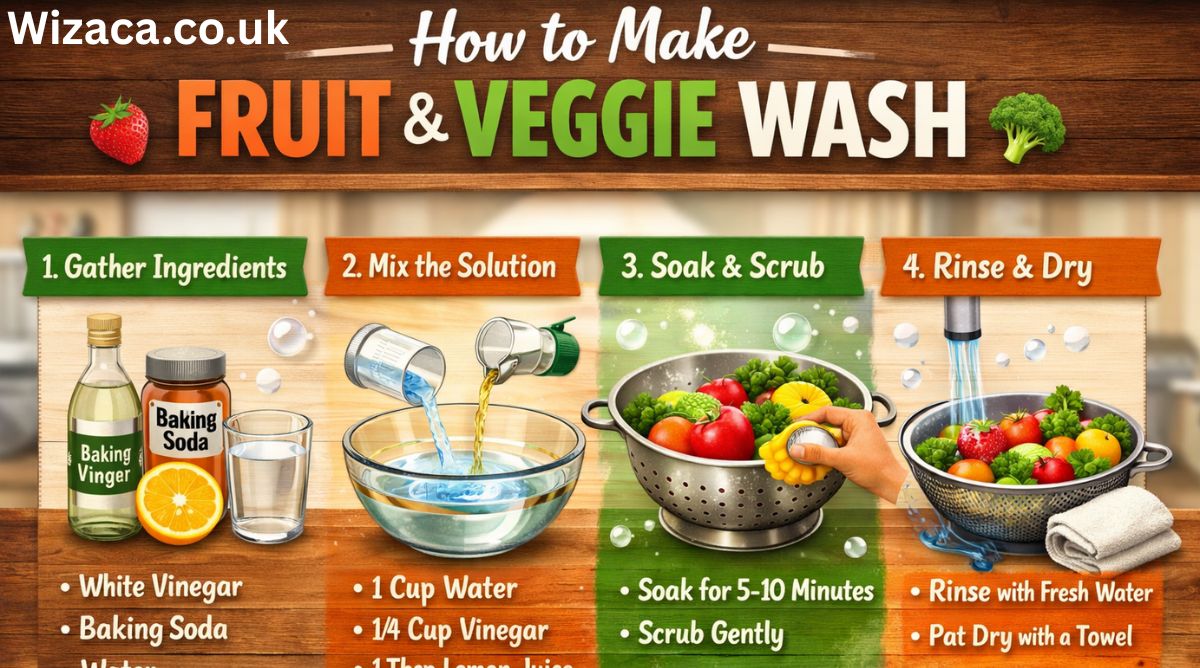
Learning how to make fruit and veggie wash at home is an important step toward maintaining proper food hygiene and protecting your health. Fresh fruits and vegetables travel long distances before reaching your kitchen. During growing, harvesting, packaging, and transportation, they may be exposed to dirt, bacteria, pesticide residues, wax coatings, and handling contamination. While rinsing with plain water removes some surface debris, a properly prepared fruit and vegetable wash can improve cleanliness and give you greater confidence in the safety of your produce. Understanding the ingredients, preparation methods, proper usage techniques, and storage guidelines ensures you get the most effective results without damaging delicate produce. This comprehensive guide explains everything in detail so you can prepare and use a homemade fruit and veggie wash safely and effectively.
Why Washing Fruits and Vegetables Is Important
Fresh produce is often consumed raw, especially items like apples, berries, cucumbers, lettuce, and tomatoes. Because these foods are not cooked before consumption, any contaminants on their surface may be ingested. Soil residue can carry microorganisms. Handling by multiple people increases the possibility of bacterial transfer. Some fruits are coated with wax to extend shelf life, which can trap dirt and pesticide residues. A proper wash helps reduce surface contaminants and improves overall food safety. While no wash can guarantee complete removal of all residues, proper cleaning significantly reduces potential risk and improves freshness.
Understanding What a Fruit and Veggie Wash Does
Before learning how to make fruit and veggie wash, it is important to understand its purpose. A fruit and vegetable wash is designed to loosen dirt, reduce surface bacteria, and help remove certain residues. It works by breaking down particles attached to the outer skin of produce. However, it does not sterilize food completely. The main goal is surface cleaning. Homemade washes typically rely on natural ingredients like vinegar, baking soda, salt, or lemon juice, which are safe when used in proper concentrations.
Basic Ingredients Used in Homemade Wash
Several simple household ingredients are commonly used when making a fruit and vegetable wash. White vinegar is widely used because of its mild acidic properties. Baking soda is known for its ability to help break down certain residues and neutralize odors. Lemon juice adds natural acidity and a fresh scent. Salt can assist in loosening dirt and insects from leafy greens. Clean, potable water remains the primary ingredient because it serves as the base for dilution and rinsing.
Simple Vinegar Based Fruit and Veggie Wash
One of the most common methods for how to make fruit and veggie wash involves vinegar and water. Mix one part white vinegar with three parts water in a large bowl or clean sink. Stir gently to combine. Submerge fruits and vegetables in the solution for about five to ten minutes. This soaking process helps loosen surface contaminants. After soaking, rinse thoroughly under running water to remove any remaining vinegar taste or loosened debris. Pat dry with a clean towel or allow to air dry before storage. This method works well for firm produce like apples, cucumbers, bell peppers, and grapes.
Baking Soda Soak Method
Another effective method uses baking soda. Add one teaspoon of baking soda to a bowl filled with water. Stir until dissolved. Soak produce for about ten to fifteen minutes. Baking soda can help break down certain surface residues more effectively than water alone. After soaking, scrub firm produce gently with a clean produce brush and rinse thoroughly under running water. This method is especially useful for apples, pears, and root vegetables.
Lemon and Vinegar Combination Spray
For those who prefer a spray method instead of soaking, a combination of lemon juice and vinegar works well. Mix one tablespoon of lemon juice and two tablespoons of white vinegar in a spray bottle. Fill the rest of the bottle with water. Shake gently before each use. Spray the solution directly onto fruits and vegetables, let sit for two to five minutes, then rinse thoroughly. This method is convenient for small batches of produce and quick cleaning.
Salt Water Solution for Leafy Greens
Leafy greens such as spinach, lettuce, and kale often trap dirt and small insects within their folds. A mild saltwater solution can help loosen debris. Dissolve one tablespoon of salt in a large bowl of water. Submerge the greens and gently agitate them with your hands. Allow them to soak for several minutes. Drain the water and rinse each leaf under clean running water. Pat dry carefully to prevent bruising.
Proper Rinsing Techniques
No matter which method you choose when learning how to make fruit and veggie wash, thorough rinsing is essential. After soaking or spraying, rinse each item under running water. Use your hands to rub the surface gently. For firm produce like potatoes or carrots, use a clean produce brush. Rinsing removes loosened dirt and prevents residue from the cleaning solution from remaining on the surface.
Special Care for Different Types of Produce
Different fruits and vegetables require different cleaning approaches. Soft berries should not be soaked for long periods because they absorb water and become mushy. Instead, rinse them quickly under cool water and dry gently. Root vegetables benefit from brushing to remove soil from crevices. Produce with thick skins such as melons should be washed before cutting to prevent transferring contaminants from the outer surface to the edible interior.
Avoiding Harsh Chemicals
When learning how to make fruit and veggie wash, it is important to avoid using soap, detergent, or commercial surface cleaners. These products are not intended for food use and may leave harmful residues. Even small amounts can cause stomach discomfort if ingested. Stick to food-safe ingredients and proper dilution ratios to ensure safety.
Storage After Washing
Proper storage after washing is equally important. Some produce lasts longer when washed just before use rather than immediately after purchase. Washing adds moisture, which can speed spoilage if items are not dried properly. If you wash produce before storage, ensure it is completely dry. Store leafy greens in breathable containers lined with paper towels to absorb excess moisture.
Reducing Pesticide Residues
Although homemade washes can help reduce some surface pesticide residues, they cannot eliminate chemicals that have penetrated beneath the skin. Peeling certain fruits and vegetables can further reduce exposure. However, peeling also removes fiber and nutrients found in the skin. Washing combined with proper rinsing offers a balanced approach.
Cleaning Organic Produce
Even organic produce should be washed thoroughly. Organic farming methods may reduce synthetic pesticide use, but fruits and vegetables can still collect dirt, bacteria, and handling contamination. Washing remains necessary regardless of labeling.
Maintaining Clean Tools and Surfaces
Sanitize sinks, bowls, brushes, and hands before preparing your fruit and veggie wash. Cross contamination can occur if cleaning equipment is not properly maintained. Wash produce separately from raw meat or poultry areas to prevent bacterial transfer.
Frequency of Washing
Wash fruits and vegetables before eating, cooking, or cutting. Avoid washing produce too far in advance unless you plan to dry and store it properly. Washing right before use maintains freshness and reduces spoilage.
Safety Tips
Use only clean drinking water for rinsing and soaking. Avoid overly concentrated vinegar or baking soda solutions, as they may affect taste. Do not mix cleaning ingredients excessively; simple formulas work best. Keep cleaning solutions fresh and discard after use rather than reusing for multiple batches.
Cost Effectiveness and Accessibility
Learning how to make fruit and veggie wash at home is cost effective because it uses common kitchen ingredients. Vinegar, baking soda, lemon juice, and salt are affordable and widely available. Preparing your own wash eliminates the need for specialty commercial products while still providing effective cleaning results.
Environmental Benefits
Homemade produce washes reduce reliance on packaged commercial sprays that may contain unnecessary additives and plastic packaging. Using reusable bowls and spray bottles minimizes waste. Simple ingredients also break down naturally, making them environmentally friendly options.
Common Mistakes to Avoid
One common mistake is assuming that washing removes all contaminants completely. Washing reduces but does not eliminate every possible risk. Another mistake is skipping the final rinse. Proper rinsing is essential for both cleanliness and taste. Over soaking delicate produce can also cause texture damage.
Final Thoughts
Understanding how to make fruit and veggie wash empowers you to take control of your kitchen hygiene using simple, safe, and effective methods. With ingredients like vinegar, baking soda, lemon juice, salt, and clean water, you can prepare reliable cleaning solutions at home. By following correct soaking times, rinsing thoroughly, handling produce carefully, and storing items properly, you significantly improve food safety and freshness. While no method can guarantee complete removal of every contaminant, consistent washing practices greatly reduce surface dirt, bacteria, and residues. Incorporating these techniques into your daily routine ensures that the fruits and vegetables you serve to your family are cleaner, fresher, and more enjoyable to eat.
Introduction
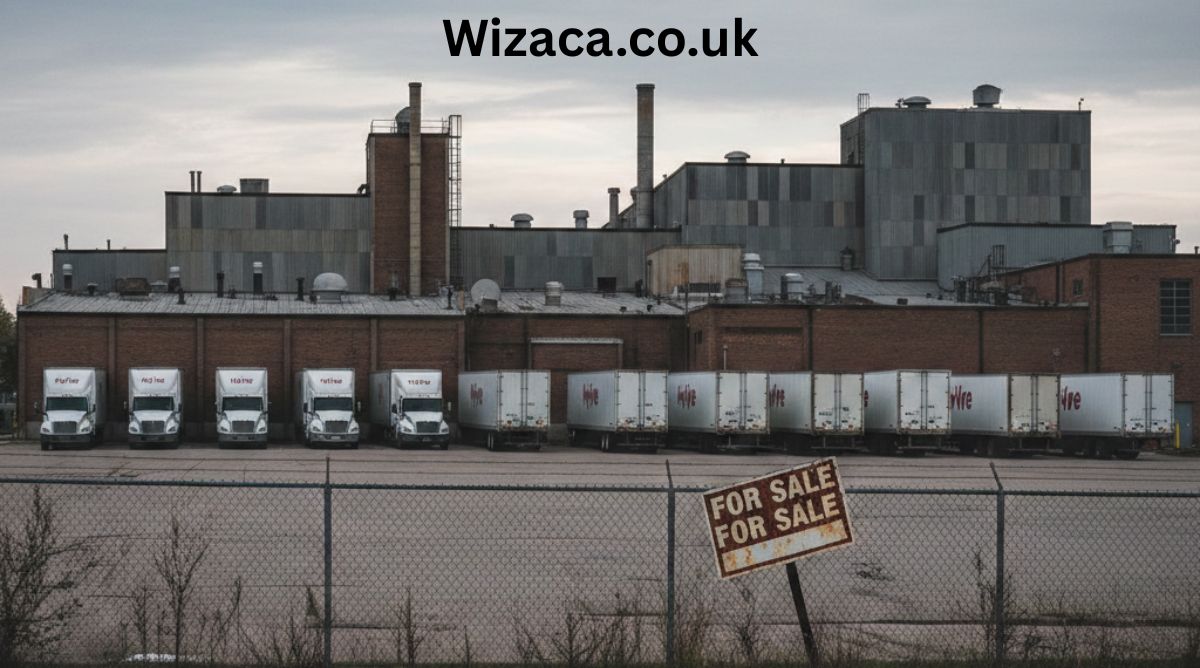
The topic of Hy-Vee food production facilities closing has gained attention across the Midwest, especially among shoppers, employees, and suppliers who depend on the supermarket chain for products, jobs, and community support. Hy-Vee, one of the most recognized supermarket brands in the central United States, has operated various food production facilities that supply fresh bakery items, prepared meals, meat processing, packaging, and private-label goods to its large network of stores.
When news or rumors surface about these facilities closing, many questions arise:
- Why are these closures happening?
- How will they affect workers?
- What does this mean for Hy-Vee’s operations?
- How will the supply chain and product availability be impacted?
This detailed article explores the context, the potential reasons behind such closures, economic implications, community impact, and what Hy-Vee may be planning for the future. It provides a deep and structured understanding of the situation.
Understanding Hy-Vee’s Production Facility System
Internal Manufacturing Network
Hy-Vee operates multiple production facilities across the Midwest, typically handling:
- Bakery production
- Prepared food packaging
- Meat processing
- Fresh pasta and meal kits
- Specialty items such as salads, dips, and desserts
These facilities allow Hy-Vee to maintain quality control, supply consistency, and cost efficiency. Closing any part of this network significantly impacts both distribution and store operations.
Role in the Supply Chain
Production facilities are the backbone of Hy-Vee’s internal supply chain. They reduce reliance on external manufacturers, help maintain product consistency, and enable the company to offer competitive pricing.
If a facility closes, the company must shift the workload to:
- Other regional facilities
- Third-party suppliers
- Contract manufacturers
- Or new automated systems
Each option has different cost, quality, and distribution consequences.
Why Hy-Vee Food Production Facilities Might Be Closing
Closures rarely occur for a single reason. Usually, multiple factors contribute. Here are the most likely explanations:
1. Rising Operational Costs
Production facilities require large budgets for:
- Energy consumption
- Labor wages
- Machinery maintenance
- Food safety compliance
- Packaging materials
During economic downturns or inflation periods, costs increase faster than profit margins. Hy-Vee may close facilities to consolidate operations and reduce overhead.
2. Shift Toward Automation
Many large retail chains are adopting automation to streamline production, improve speed, and reduce human error. If Hy-Vee is investing in:
- Robotics
- Automated packaging
- AI-powered inventory management
Then older, less efficient facilities may no longer be useful.
3. Consolidation Decisions
Companies often merge multiple small facilities into one larger and more efficient location. A closing does not always mean a reduction in production; it sometimes indicates a shift in the production strategy.
4. Supply Chain Realignment
Post-pandemic supply chain restructuring has forced many companies to:
- Move production closer to major distribution hubs
- Reduce reliance on multiple small sites
- Optimize delivery routes
Closing facilities can strengthen the chain by centralizing production.
5. Real Estate and Facility Aging
Older buildings often:
- Require costly repairs
- Are not up to modern safety standards
- Lack space for advanced technology
Instead of renovating, Hy-Vee might choose closure and relocation.
6. Changing Consumer Behavior
Customer demand affects production planning. For example:
- Increased demand for fresh meals
- Decreased demand for frozen/pre-packaged foods
- Growing interest in organic or specialty items
If a facility specializes in products that are declining in popularity, Hy-Vee may phase it out.
Impact on Employees
Job Losses and Reassignments
Closures typically result in:
- Layoffs
- Shift reassignments
- Transfers to other facilities or stores
Hy-Vee has historically offered transfers where possible, but not all workers are able to relocate.
Skill Transfer Opportunities
Employees may be offered opportunities in:
- Store-level roles
- Warehouse positions
- Delivery and logistics
- New automated facilities
Depending on the region, Hy-Vee sometimes partners with local workforce programs to help employees find new jobs.
Emotional and Financial Stress
Closures create uncertainty. Workers may experience:
- Fear of unemployment
- Concern about benefits
- Pressure to relocate
- Loss of income during transitions
Community support and company transparency play vital roles during such situations.
Impact on Consumers
1. Product Availability
Temporary shortages may occur for products such as:
- Fresh bakery items
- Prepared meals
- Private-label packaged items
Hy-Vee often offsets shortages by increasing supply from other production locations.
2. Possible Price Changes
If outsourcing production becomes necessary, product prices may increase.
Contract manufacturers often charge higher rates than internal facilities.
3. Change in Product Quality
Quality may shift depending on:
- New suppliers
- Recipe modifications
- Packaging changes
- Shelf-life differences
Some customers may notice changes in taste, freshness, or appearance.
Impact on Local Communities
Economic Consequences
Production facilities are major employers in Midwestern towns. A closure can disrupt:
- Local job markets
- Small businesses that rely on facility workers
- Real estate values
- Tax revenues
The economic ripple effect can last months or even years.
Loss of Community Support Programs
Hy-Vee often contributes to:
- Local charities
- Community events
- Food banks
Facility closures might reduce local engagement, depending on company restructuring.
Hy-Vee’s Possible Future Strategies
1. Expansion Into New Markets
Hy-Vee has been expanding into new states and upgrading store formats. Investments may be redirected toward:
- Larger stores
- Health and wellness initiatives
- Online ordering platforms
- Meal-delivery systems
2. Investment in Distribution Centers
Instead of multiple smaller production sites, Hy-Vee may develop centralized mega-centers with:
- High-tech automation
- Advanced cold storage
- Bakery and meal-prep wings
- Efficient nationwide shipping abilities
3. Growing Online Services
With the rise of Hy-Vee Aisles Online, the company needs modern supply chain management. Closures may be part of an upgrade strategy for e-commerce fulfillment.
4. Partnerships With Other Manufacturers
Hy-Vee may collaborate with established food manufacturers to replace in-house production temporarily or permanently.
Is This the End of Hy-Vee Production Facilities?
Most likely not. Retail chains regularly adjust their operational footprint. Closing one or two facilities does not signal collapse; instead, it shows strategic restructuring. Hy-Vee remains one of the strongest food retailers in the Midwest and continues to expand in various sectors including:
- Pharmacies
- Health clinics
- Online grocery services
- Meal kit programs
A shift in production strategy is natural as the retail industry evolves.
Signs That Hy-Vee Is Restructuring, Not Declining
- Increased investment in technology
- New store openings
- Expanded health and wellness offerings
- Larger distribution networks
- More digital services
These indicate that closures are part of a long-term modernization plan.
What Customers Should Expect
Short-Term Changes
- Temporary product limitations
- Slight price fluctuations
- Adjustments in store inventory
Long-Term Improvements
- Better supply chain efficiency
- Higher-quality products
- More convenience options
- Expanded ready-to-eat choices
Conclusion
The topic of Hy-Vee food production facilities closing raises understandable concerns among customers, employees, and communities. While closures may seem worrying, they often reflect strategic business shifts rather than decline. By consolidating facilities, modernizing operations, and adapting to new consumer demands, Hy-Vee is positioning itself for future growth.
Although temporary disruptions may occur, long-term improvements in efficiency, product quality, and service delivery are likely. Understanding the reasons, impacts, and possible outcomes helps bring clarity to the discussion.

how to install a duralast fuel filter ff831dl

how to make scent beads for laundry

how to make fruit and veggie wash
Can You Rent a Storage Unit for a Month?

How to Use KARR Security System: A Complete guide

Does Air Have a Mass?
-

 Beauty1 week ago
how to make your own cleansing oil
-

 Technology2 weeks ago
How to Set Honuras Time Zone on a WR20BAR G-Shock
-

 Automotive2 weeks ago
How to Replace Windshield Washer Nozzle for 2013 Jeep Patriot
-

 Education1 week ago
how to print a report card in powerschool
-

 Electronics1 week ago
how to pair 2 jbl eon 715 speakers together
-

 Automotive2 weeks ago
How to Replace Transmission Seal on A1078 Corvette
-

 Automotive2 weeks ago
How to Repair Code U110B on a 09 Mercedes E350
-

 Automotive2 weeks ago
how to remove cls450 front bumper cover forum