
Automotive
Does A Bad Catalytic Converter Affect Gas Mileage?


Yes, a bad catalytic converter can affect gas mileage. The catalytic converter plays an important role in your car’s exhaust system, helping to reduce harmful emissions. But when it starts failing or becomes clogged, it can directly impact engine performance and fuel efficiency.
Let’s explore how a faulty catalytic converter can lead to reduced gas mileage, the signs to look for, and what you can do about it.
What Is a Catalytic Converter?
A catalytic converter is an emission control device located in the exhaust system. Its job is to convert harmful gases like carbon monoxide, hydrocarbons, and nitrogen oxides into less harmful substances such as carbon dioxide and water vapor before they exit the tailpipe.
To do this, it relies on a chemical reaction using catalysts like platinum, palladium, and rhodium. This process helps your vehicle meet environmental standards, but if the converter isn’t working properly, it can create problems for both the engine and your fuel economy.
How Does a Catalytic Converter Affect Fuel Economy?
When a catalytic converter is working correctly, exhaust gases flow freely through it. But if it becomes clogged or damaged, it creates backpressure in the exhaust system. This backpressure restricts the flow of exhaust gases, causing the engine to work harder to push them out.
An engine that has to work harder burns more fuel. As a result, gas mileage decreases. In severe cases, a completely blocked catalytic converter can make the car sluggish and cause a noticeable drop in power and efficiency.
Symptoms of a Bad Catalytic Converter That Can Affect Gas Mileage
1. Reduced Engine Performance
A clogged catalytic converter can limit engine airflow, reducing horsepower and causing the vehicle to feel sluggish, especially when accelerating or driving uphill.
2. Decreased Fuel Efficiency
When the engine struggles to get enough air or push exhaust gases out, it burns more fuel. If you notice you’re refueling more often, a bad catalytic converter could be a reason.
3. Check Engine Light
The oxygen sensors monitor the efficiency of the catalytic converter. If it’s not working correctly, the engine control module (ECM) will trigger the check engine light, often accompanied by trouble codes like P0420.
4. Rotten Egg Smell
A failing catalytic converter may produce a sulfur or “rotten egg” smell due to unburned fuel not being processed correctly.
5. Failed Emissions Test
A worn-out catalytic converter won’t efficiently clean the exhaust gases, resulting in high emissions that can cause your vehicle to fail an emissions inspection.
How a Clogged Catalytic Converter Reduces Gas Mileage
Inside a catalytic converter are small channels or a honeycomb structure. Over time, contaminants from fuel combustion or engine problems like burning oil can clog these passages.
When they’re blocked:
- Exhaust gases can’t exit efficiently.
- The engine struggles to maintain the proper air-fuel ratio.
- The ECM may compensate by injecting more fuel, reducing efficiency.
- The engine may run rich (too much fuel), wasting gas.
Other Issues Linked to Poor Fuel Economy from a Bad Catalytic Converter
Increased Engine Temperature
Backpressure can raise engine temperatures, causing the ECM to adjust the fuel mixture to protect the engine. This adjustment often results in more fuel consumption.
Poor Combustion
If the converter isn’t allowing enough exhaust flow, combustion becomes less efficient, leading to more unburned fuel and wasted energy.
Can a Bad Catalytic Converter Cause Misfires?
Yes, it can. Restricted exhaust flow can increase cylinder pressure and temperatures, which may lead to engine misfires. Misfires waste fuel and can further decrease your miles per gallon (MPG).
How to Confirm a Bad Catalytic Converter Is Affecting Gas Mileage
Exhaust Backpressure Test
A mechanic can test the exhaust system’s pressure before and after the converter to check for blockage.
Temperature Readings
Using an infrared thermometer, a technician can measure the temperature difference at the inlet and outlet of the catalytic converter. A clogged converter may show lower-than-normal outlet temperatures.
Diagnostic Trouble Codes
Codes like P0420 (Catalyst System Efficiency Below Threshold) can indicate a problem with the converter’s efficiency.
Can You Drive with a Bad Catalytic Converter?
You can drive with a failing catalytic converter for a short time, but it’s not recommended. Prolonged driving can:
- Lead to reduced engine performance.
- Decrease fuel economy significantly.
- Potentially cause further damage to the engine or other components.
How to Fix a Bad Catalytic Converter and Restore Gas Mileage
1. Clean the Catalytic Converter
In some cases, using a catalytic converter cleaner can dissolve minor carbon deposits. However, this is usually a temporary fix.
2. Replace the Catalytic Converter
If the converter is severely clogged or damaged, replacement is the only solution. This will restore proper exhaust flow and fuel efficiency.
3. Fix Underlying Issues
Often, catalytic converter failure is caused by other problems like burning oil, a rich fuel mixture, or misfires. These issues should be addressed to prevent damaging the new converter.
Tips to Prolong Catalytic Converter Life and Protect Fuel Economy
- Use high-quality fuel.
- Maintain your engine properly (regular oil changes, air filter replacement).
- Fix misfires immediately.
- Avoid driving with a bad oxygen sensor.
- Keep an eye on the check engine light and address problems early.
Conclusion
A bad catalytic converter can directly affect gas mileage by restricting exhaust flow and forcing the engine to work harder. If you notice decreased fuel efficiency, sluggish performance, or the check engine light is on, it may be time to inspect the catalytic converter.
Addressing catalytic converter issues quickly can improve fuel economy, restore engine performance, and prevent more costly repairs down the line.
FAQs
Can a Bad Catalytic Converter Cause Poor Acceleration?
Yes. A clogged converter restricts exhaust flow, making acceleration sluggish.
Does Replacing a Catalytic Converter Improve Gas Mileage?
If the old converter was clogged or damaged, replacing it can restore lost fuel efficiency and engine power.
What Happens If You Don’t Fix a Bad Catalytic Converter?
You may experience reduced fuel economy, engine damage, and failed emissions tests. Eventually, your car could become undriveable.
How Much Does It Cost to Replace a Catalytic Converter?
The cost varies, typically between $500 and $2,500 depending on your vehicle and whether you choose an aftermarket or OEM part.
Can You Clean a Catalytic Converter Instead of Replacing It?
In some cases, cleaning can remove minor deposits, but severely damaged or clogged converters usually need to be replaced.
Also Check:
• Does A Bad Catalytic Converter Smell?
• Does A Bad Alternator Make Noise?
• Does A Bad Starter Make A Clicking Noise?

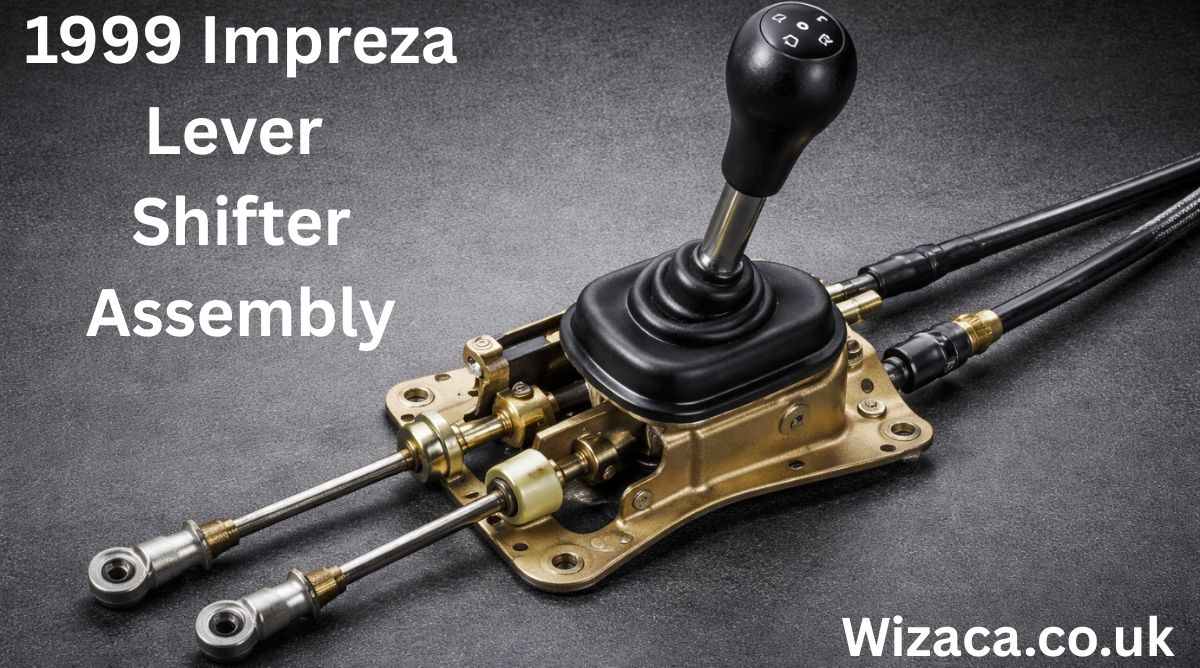
The 1999 Impreza lever shifter assembly is a critical mechanical component that directly affects how the driver interacts with the vehicle’s transmission. In manual transmission models especially, the shifter assembly plays a major role in gear selection, driving comfort, responsiveness, and overall driving feel. Understanding how this assembly works, its components, common issues, maintenance needs, and upgrade possibilities is essential for owners, mechanics, and automotive enthusiasts.
Introduction to the 1999 Impreza Lever Shifter Assembly
The lever shifter assembly is the physical mechanism that connects the driver’s hand movements to the transmission. In the 1999 Impreza, this system was designed with durability and simplicity in mind, balancing cost-effective engineering with reliable performance.
Although it may appear simple from the cabin, the shifter assembly is a carefully engineered system involving multiple mechanical parts working together to ensure smooth and accurate gear changes.
Importance of the Shifter Assembly in Vehicle Operation
The shifter assembly is essential because it translates driver input into mechanical action within the transmission. A properly functioning shifter ensures accurate gear engagement, minimizes wear, and enhances driving control.
Key roles of the shifter assembly include:
- Selecting gears accurately
- Providing tactile feedback to the driver
- Maintaining alignment with transmission linkages
Any issue in this system can significantly affect drivability.
Overview of the 1999 Impreza Transmission System
The 1999 Impreza commonly came with a manual transmission option, making the lever shifter assembly especially important. The shifter does not directly engage gears but operates through linkages that connect to the transmission selector mechanism.
This indirect system allows flexibility, vibration isolation, and smoother shifting under varying driving conditions.
Main Components of the Lever Shifter Assembly
The lever shifter assembly is composed of several interconnected parts, each serving a specific function.
Primary components include:
- Shift lever
- Pivot ball
- Bushings
- Shift linkage rods
- Retaining clips and fasteners
Each part must function correctly for smooth gear selection.
The Shift Lever Design and Function
The shift lever is the visible and most frequently used part of the assembly. In the 1999 Impreza, the lever is typically made of metal for strength and durability.
The lever’s length and angle influence:
- Shift throw distance
- Driver comfort
- Shift precision
A balanced design ensures ease of use and responsiveness.
Pivot Ball and Its Mechanical Role
The pivot ball sits near the base of the shift lever and allows it to move freely in multiple directions. This spherical joint is critical for enabling the lever to engage different gear positions.
Wear in the pivot ball can cause:
- Excessive play
- Loose shifting feel
- Reduced accuracy
Proper lubrication and fit are essential.
Bushings and Their Importance
Bushings are small components, often made of rubber or plastic, that reduce vibration and friction between moving parts.
In the 1999 Impreza shifter assembly, bushings:
- Isolate vibrations from the transmission
- Improve shift smoothness
- Maintain proper alignment
Over time, worn bushings are one of the most common causes of sloppy shifting.
Shift Linkage Rods Explained
The shift linkage rods connect the lever assembly to the transmission selector shaft. These rods transmit motion and determine how accurately gear changes occur.
Properly aligned linkage rods ensure:
- Precise gear engagement
- Reduced transmission wear
- Consistent shifting behavior
Bent or worn rods can lead to misalignment.
Retaining Clips and Mounting Hardware
Small but crucial, retaining clips and fasteners keep the assembly securely connected. These parts prevent unwanted movement and maintain structural integrity.
Failure of clips or fasteners can cause:
- Sudden loss of shift control
- Increased noise
- Unsafe driving conditions
They must always be properly installed.
How the Lever Shifter Assembly Works
When the driver moves the shift lever, the motion pivots around the pivot ball and transfers through the linkage rods to the transmission. The transmission then engages the selected gear.
This process requires:
- Precise alignment
- Minimal friction
- Secure mounting
Any looseness reduces shift quality.
Driving Feel and Shift Feedback
The 1999 Impreza is known for offering a relatively direct and mechanical shift feel. The lever shifter assembly plays a major role in this characteristic.
Good shift feedback provides:
- Confidence during gear changes
- Better control during spirited driving
- Clear indication of gear engagement
Worn components reduce this feedback.
Common Wear Issues in the Shifter Assembly
Over time, normal use causes wear in various parts of the shifter assembly.
Common wear-related problems include:
- Loose or sloppy shifter
- Difficulty engaging certain gears
- Increased vibration
These issues often develop gradually.
Symptoms of a Failing Shifter Assembly
Drivers may notice several signs indicating shifter assembly problems.
Typical symptoms include:
- Excessive side-to-side movement
- Grinding during gear changes
- Unusual noises when shifting
Early diagnosis helps prevent further damage.
Causes of Shifter Assembly Problems
Several factors contribute to wear and failure.
Common causes include:
- High mileage
- Aggressive shifting habits
- Lack of maintenance
Environmental factors such as dirt and moisture can also accelerate wear.
Inspection of the Lever Shifter Assembly
Regular inspection helps identify issues before they become severe.
Inspection typically involves:
- Checking for looseness
- Inspecting bushings for cracks
- Ensuring fasteners are secure
A visual and physical inspection can reveal many issues.
Maintenance Practices for Longevity
Proper maintenance extends the life of the shifter assembly.
Recommended practices include:
- Periodic lubrication
- Replacing worn bushings
- Tightening loose components
Preventive maintenance improves shifting quality.
Lubrication Requirements
Lubrication reduces friction between moving parts and prevents premature wear.
Proper lubrication:
- Improves smoothness
- Reduces noise
- Protects metal surfaces
Using appropriate lubricants is essential.
Replacement of Worn Bushings
Bushing replacement is one of the most effective ways to restore shift feel.
Benefits of new bushings include:
- Reduced play
- Improved precision
- Enhanced driving experience
This is a common maintenance task.
Adjustment of the Shifter Assembly
Proper adjustment ensures correct alignment between the lever and transmission.
Adjustment improves:
- Gear engagement accuracy
- Shift smoothness
- Driver confidence
Misadjustment can cause gear selection issues.
Removal of the Lever Shifter Assembly
Removing the shifter assembly typically involves accessing it from inside the cabin and underneath the vehicle.
Careful removal prevents:
- Damage to components
- Loss of small hardware
- Misalignment during reinstallation
Attention to detail is critical.
Reinstallation and Alignment
Correct reinstallation ensures proper function.
Key steps include:
- Aligning linkage rods
- Securing all fasteners
- Verifying gear engagement
Improper installation can worsen shifting issues.
Aftermarket vs Stock Shifter Assemblies
Some owners choose aftermarket components to improve shift performance.
Differences include:
- Shorter shift throws
- Firmer feel
- Increased precision
However, stock assemblies prioritize comfort and longevity.
Impact of Driving Style on Shifter Wear
Driving habits significantly affect shifter assembly lifespan.
Aggressive shifting can:
- Accelerate bushing wear
- Stress linkage components
- Increase maintenance needs
Smooth shifting extends component life.
Cold Weather Effects on the Shifter Assembly
Cold temperatures can stiffen lubricants and bushings.
Cold weather effects include:
- Increased shift resistance
- Delayed smoothness
- Temporary stiffness
Proper lubrication helps mitigate this.
Noise and Vibration Issues
Noise or vibration during shifting often indicates worn or loose components.
Common sources include:
- Worn bushings
- Loose mounting points
- Dry pivot joints
Addressing noise early prevents further damage.
Safety Considerations
A faulty shifter assembly can pose safety risks.
Potential risks include:
- Inability to select gears
- Unexpected gear disengagement
- Loss of vehicle control
Prompt repair is essential for safe driving.
Cost Factors Associated with Shifter Repairs
Repair costs vary depending on the components involved.
Factors affecting cost include:
- Extent of wear
- Replacement parts required
- Labor complexity
Preventive maintenance reduces expenses.
Restoration of Original Shift Feel
Many owners aim to restore the factory shift feel of the 1999 Impreza.
Restoration typically involves:
- Replacing worn components
- Proper lubrication
- Correct alignment
This returns the vehicle to its intended driving experience.
Long-Term Reliability of the Shifter Assembly
With proper care, the original shifter assembly can last many years.
Long-term reliability depends on:
- Maintenance habits
- Driving conditions
- Component quality
Durability is a key strength of the design.
Compatibility with Other Impreza Models
Some components may be shared with other Impreza years, but differences exist.
Compatibility considerations include:
- Design variations
- Mounting differences
- Linkage length
Correct parts selection is important.
Benefits of a Well-Maintained Shifter Assembly
A properly maintained assembly offers numerous advantages.
Benefits include:
- Smooth gear changes
- Improved control
- Enhanced driving enjoyment
Maintenance directly improves performance.
Driving Experience and Driver Confidence
A responsive shifter enhances driver confidence, especially in manual transmissions.
Confidence improves:
- Driving precision
- Enjoyment
- Overall vehicle control
The shifter is central to this experience.
Mechanical Simplicity of the 1999 Impreza Design
The 1999 Impreza lever shifter assembly reflects a mechanically simple yet effective design.
Simplicity offers:
- Easier maintenance
- Fewer failure points
- Long-term durability
This is one reason for its popularity.
Final Thoughts on the 1999 Impreza Lever Shifter Assembly
The 1999 Impreza lever shifter assembly is a vital mechanical system that directly influences driving quality, control, and safety. Although it may not receive as much attention as the engine or transmission, its condition has a major impact on the overall driving experience.
Understanding its components, operation, common issues, and maintenance requirements allows owners to keep their vehicle performing at its best. With regular inspection, proper lubrication, and timely replacement of worn parts, the shifter assembly can continue to deliver smooth, precise, and reliable gear changes for many years.
Understanding who owns Lee Slenbacker Joppa Transmission Repair has become a topic of interest among vehicle owners in Maryland. For many drivers, finding a trustworthy local mechanic is more valuable than choosing a large franchise. Ownership, reputation, and quality of service all play a part in how customers decide where to take their cars for repairs.
This article explores the background, ownership, and value of Lee Slenbacker Joppa Transmission Repair, while highlighting why local auto repair shops matter to the community and how they differ from big-name garages.
The Background of Joppa Transmission Repair
Located in Joppa, Maryland, this small but reliable auto repair shop has earned local recognition for its specialized work in repairing transmission systems. Transmission repair is one of the most technically demanding fields in automotive service, and not every mechanic is equipped to handle it.
Transmission issues can cause slipping gears, rough shifting, and reduced vehicle performance. Because of this, car owners often turn to dedicated specialists rather than general mechanics. Over time, Joppa Transmission Repair became one such trusted name in the region, known for accuracy, honesty, and hands-on experience.
Who Is Lee Slenbacker?
Lee Slenbacker is believed to be the owner or primary operator of the Joppa Transmission Repair business. Like many independent mechanics, Slenbacker likely began his career as a technician or apprentice, learning the trade from the ground up.
Owners like Slenbacker often build their businesses on skill, trust, and community relationships rather than marketing or branding. Their clients usually return for years, not because of advertising, but because of the personal service and reliability that define small, owner-operated shops.
Such individuals represent the classic American small-business spirit — combining technical ability with a dedication to helping others.
Why Ownership Matters
Knowing who owns your local repair shop is more important than it seems. Ownership defines the business’s reputation, accountability, and customer service standards.
Local, independently owned repair shops like Joppa Transmission Repair typically offer:
- Direct interaction with the owner.
- Personalized attention to every vehicle.
- Flexible service options.
- Long-term trust built through consistency.
In contrast, large corporate chains tend to follow a fixed service model that can feel impersonal. Local ownership ensures that every customer receives honest feedback and solutions tailored to their car’s actual needs.
The Role of Transmission Repair in the Auto Industry
Transmission repair is one of the most technical areas of automotive maintenance. The transmission controls how power from the engine is delivered to the wheels, allowing the car to accelerate smoothly.
When a transmission fails, the entire vehicle’s performance suffers. Specialized shops like Joppa Transmission Repair are equipped to handle rebuilds, replacements, and fluid maintenance — jobs that require deep technical expertise and diagnostic precision.
Because of the complexity of these systems, transmission mechanics must stay updated with modern automotive technology, including computer-controlled gear systems and sensors.
Common Transmission Issues
Many car owners don’t realize how critical their transmission is until something goes wrong. Some of the most common signs of transmission problems include:
- Slipping gears or difficulty shifting.
- Fluid leaks beneath the car.
- Burning smells or grinding noises.
- Warning lights related to gear systems.
A shop like Joppa Transmission Repair, owned by someone with years of mechanical experience, is trained to identify these issues quickly and accurately, preventing further damage and costly replacements.
Customer Trust and Transparency
Independent auto repair shops often rely on personal relationships and transparent service. When the owner is present daily, customers can directly discuss their car’s condition and understand what repairs are necessary.
Transparency includes:
- Providing written estimates before starting work.
- Explaining repairs clearly.
- Offering warranty options.
For many, these qualities make small local shops preferable to large service centers, where customers may not even meet the mechanic working on their car.
Reputation and Local Impact
In smaller towns and communities, a repair shop’s reputation is everything. One dissatisfied customer can hurt business, while satisfied ones bring referrals that sustain growth.
If Lee Slenbacker Joppa Transmission Repair continues to receive praise, it’s a sign of long-term consistency, attention to detail, and strong ethics.
Locally owned shops also play an economic role — they employ residents, purchase parts from nearby suppliers, and keep money circulating within the community.
Challenges Faced by Independent Repair Shops
Even with local support, small repair businesses face increasing challenges. The rise of advanced vehicle technology, such as hybrid and electric drivetrains, demands ongoing training and new equipment investments.
Independent shops also face:
- Competition from national chains.
- Rising costs for replacement parts.
- Difficulty finding skilled young mechanics.
Despite these hurdles, experienced owners like Slenbacker continue to succeed because of their integrity, skill, and community reputation.
The Technical Side of Transmission Work
Repairing or rebuilding a transmission requires significant expertise. The process may include:
- Removing the transmission from the vehicle.
- Disassembling and cleaning internal components.
- Replacing worn-out clutches, seals, and bearings.
- Reassembling and testing for precision.
Few mechanics specialize in this field, making transmission specialists invaluable to the automotive industry.
Training and Experience of Skilled Mechanics
Mechanics who work on transmissions must understand both mechanical and electronic systems. Modern vehicles use sensors and computers to regulate gear shifting, so technicians must blend traditional mechanical skill with modern diagnostic software.
An owner like Lee Slenbacker likely ensures his team keeps up with these advancements through hands-on training and certifications.
The Difference Between Local and Chain Repair Shops
Corporate repair centers often follow strict pricing structures and may prioritize volume over quality. Local shops, however, operate differently — each job matters because the business’s name and reputation are on the line.
Customers of Joppa Transmission Repair benefit from:
- Personalized advice from the owner.
- Honest recommendations about repair versus replacement.
- A commitment to fixing the problem right the first time.
These qualities turn occasional customers into loyal, long-term clients.
Future of Transmission Repair
The automotive industry is evolving, with electric vehicles (EVs) becoming more common. While EVs don’t use traditional transmissions, they still have drivetrain components that require maintenance.
This evolution means that transmission repair specialists will adapt, expanding their skills to include electric and hybrid systems. Owners like Slenbacker who embrace new technologies will ensure their businesses remain relevant for years to come.
Why Supporting Local Mechanics Matters
Supporting small, owner-led shops like Lee Slenbacker Joppa Transmission Repair helps maintain diversity in the auto repair industry. These businesses represent passion, expertise, and dedication — values that can sometimes get lost in large corporate settings.
By choosing local mechanics, customers also support:
- Fair pricing.
- Honest service.
- Long-lasting community relationships.
Each visit contributes to the survival of family-run businesses that form the backbone of small-town America.
Final Thoughts
The question Who Owns Lee Slenbacker Joppa Transmission Repair highlights more than just a name — it represents the strength and tradition of local automotive craftsmanship.
In a world dominated by large service chains, independent shops like this remind us of the importance of personal accountability, trust, and skill. Behind every reliable repair job is an owner who stands by his work, serving his community with pride and integrity.
Whether it’s diagnosing a tricky gear issue or rebuilding a complex transmission, professionals like Lee Slenbacker keep vehicles — and communities — moving forward.
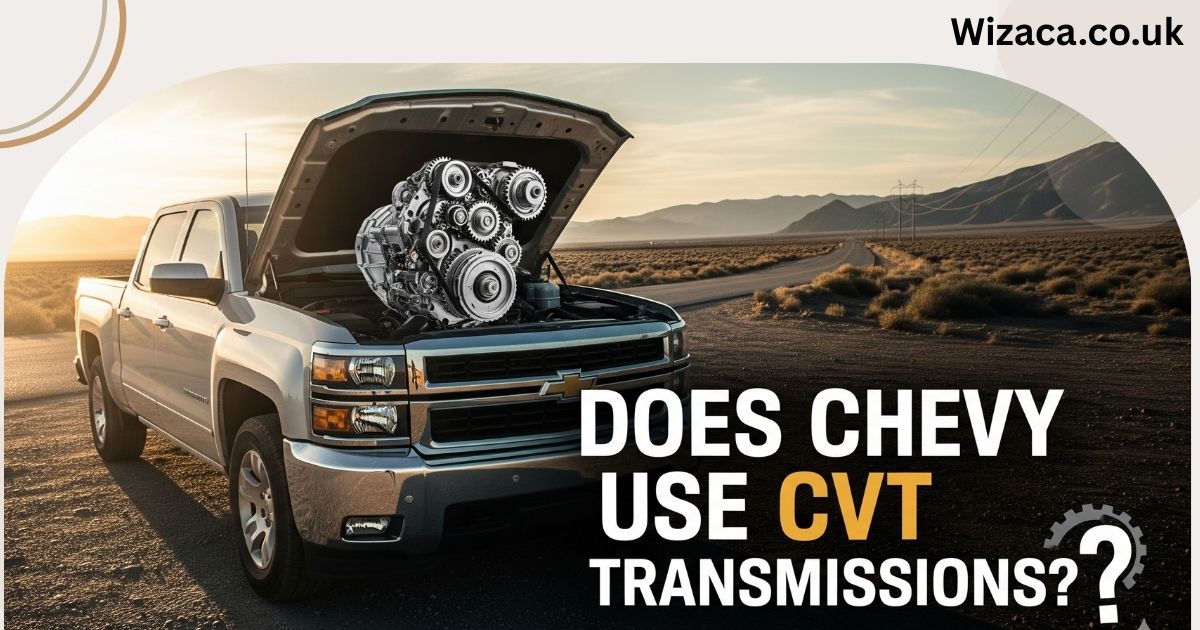
The automotive industry has seen significant advancements in transmission technology over the past few decades. Among these innovations, the Continuously Variable Transmission (CVT) has become increasingly common in vehicles designed for fuel efficiency and smooth driving. Many car buyers often wonder: does Chevy use CVT transmissions?
This article will explore what CVT transmissions are, how they work, their advantages and disadvantages, and whether Chevrolet (commonly known as Chevy) incorporates them in their lineup of vehicles.
Understanding CVT Transmissions
Before discussing Chevy’s usage of CVTs, it’s important to understand what a CVT is.
A Continuously Variable Transmission is a type of automatic transmission that does not rely on traditional fixed gear ratios. Instead, it uses a pulley system connected by a belt or chain, which can adjust seamlessly to create an infinite range of gear ratios.
👉 To learn more about the technology itself, see Continuously variable transmission on Wikipedia.
How Does a CVT Work?
A CVT uses two pulleys connected by a flexible belt:
- Drive Pulley (Input): Connected to the engine.
- Driven Pulley (Output): Connected to the wheels.
By changing the diameter of the pulleys, the transmission adjusts to the ideal ratio for speed and efficiency. Unlike traditional automatic transmissions that shift between set gears, CVTs provide a smooth and uninterrupted driving experience.
Advantages of CVT Transmissions
CVTs are popular in compact cars and hybrids for several reasons:
- Fuel Efficiency: CVTs allow engines to run at their most efficient RPM, saving fuel.
- Smooth Acceleration: Unlike gear shifts in traditional transmissions, CVTs provide continuous power delivery.
- Lightweight Design: They are usually lighter than traditional automatic gearboxes.
- Better Performance in Stop-and-Go Traffic: CVTs excel in city driving conditions where frequent acceleration and braking are required.
Disadvantages of CVT Transmissions
Despite their benefits, CVTs also have drawbacks:
- Driving Feel: Some drivers dislike the “rubber-band effect,” where engine RPM rises without a proportional increase in speed.
- Durability Concerns: CVTs may wear out faster than traditional transmissions under heavy loads.
- Limited Towing Capacity: Not ideal for vehicles that require high torque, like trucks and large SUVs.
- Costly Repairs: When they fail, CVTs can be expensive to repair or replace.
Does Chevy Use CVT Transmissions?
Yes, Chevrolet does use CVT transmissions, but only in select models. Chevy has primarily reserved CVTs for smaller, fuel-efficient vehicles where the benefits of this technology make the most sense.
Chevy Models with CVT Transmissions
- Chevrolet Spark: The subcompact Spark features a CVT option designed for maximum fuel efficiency in urban driving.
- Chevrolet Malibu (Base Trim): Some versions of the Malibu sedan are equipped with a CVT, especially in lower trims with smaller engines.
- Chevrolet Trailblazer (Small SUV): The Trailblazer offers a CVT paired with certain engines for city-friendly performance.
- Chevrolet Equinox (Earlier Trims in Some Markets): In limited cases, smaller engines of the Equinox were paired with CVTs, though newer models favor traditional automatics.
Why Chevy Uses CVT in Certain Models
Chevy carefully selects which vehicles benefit most from CVTs. The reasons include:
- Fuel Economy Targets: CVTs help Chevy meet strict fuel economy standards.
- Urban-Friendly Design: Compact vehicles like the Spark and Trailblazer benefit from smoother acceleration in stop-and-go traffic.
- Affordability: CVTs are often cheaper to manufacture for small cars compared to advanced multi-speed automatics.
Why Chevy Doesn’t Use CVTs in Trucks and Larger SUVs
Chevrolet is well-known for its trucks and performance-oriented vehicles like the Silverado, Tahoe, and Camaro. These vehicles require transmissions that can handle higher torque and towing capacities. For this reason, Chevy uses traditional automatic transmissions with 6, 8, or even 10 speeds in these vehicles instead of CVTs.
Large vehicles benefit from:
- Stronger torque-handling capability.
- Improved towing performance.
- Better durability for heavy use.
Chevy vs. Competitors in CVT Adoption
When compared to other automakers, Chevy has taken a more limited approach to CVT use:
- Honda: Widely uses CVTs in Civic, Accord, and CR-V models.
- Nissan: One of the largest adopters of CVTs, with nearly all non-sports models using them.
- Toyota: Uses CVTs in Corolla and hybrid models but keeps automatics for larger vehicles.
- Chevy: Selective, offering CVTs only in smaller sedans and compact SUVs.
This strategy allows Chevy to balance fuel efficiency with performance needs across its diverse lineup.
Future of CVTs in Chevrolet Vehicles
As fuel efficiency standards become stricter and electric vehicles (EVs) gain popularity, the role of CVTs in Chevy’s future lineup may be limited. EVs don’t require traditional transmissions at all, since electric motors deliver instant torque.
However, for budget-friendly, fuel-efficient gasoline models, CVTs are likely to remain part of Chevy’s design.
Tips for Chevy Owners with CVTs
If you own or plan to buy a Chevy with a CVT transmission, keep these tips in mind:
- Regular Maintenance: Follow the manufacturer’s schedule for fluid changes.
- Avoid Overloading: Don’t tow heavy loads or push the CVT beyond its design limits.
- Drive Smoothly: Gentle acceleration helps prolong CVT life.
- Stay Informed: Be aware of extended warranties, as some automakers have offered coverage for CVTs due to consumer concerns.
Conclusion
So, does Chevy use CVT transmissions? The answer is yes, but only in specific models. Chevy includes CVTs in compact and fuel-efficient vehicles like the Spark, Malibu (base trims), and Trailblazer. However, for larger vehicles like trucks and SUVs, Chevy relies on traditional automatic transmissions due to their superior durability and towing capacity.
CVTs provide better fuel economy, smoother acceleration, and cost benefits, making them ideal for small cars. On the other hand, they may not satisfy drivers who prioritize towing, performance, or long-term durability.
As the auto industry moves toward electric vehicles, the reliance on CVTs may decline. Still, for now, they remain an important part of Chevy’s lineup in select markets.
👉 To learn more about CVT technology itself, check out Continuously variable transmission on Wikipedia.

How to Set Honuras Time Zone on a WR20BAR G-Shock

How to Sign Up on ETSGamevent

How to Switch Out HZ311 Thermostat for Ecobee Premium Thermostat
Can You Rent a Storage Unit for a Month?
How to Use Non Genuine Ink in Epson Printer

Does FedEx Work on Black Friday?
-
 Technology2 weeks ago
How to Use CPT Upgrade in gem5: Complete Step-by-Step Guide
-
Home Improvement2 weeks ago
How to Switch Out HZ311 Thermostat for Ecobee Premium Thermostat
-
Gaming2 weeks ago
How to Sign Up on ETSGamevent
-
 Technology2 weeks ago
How to Tell a Bad Plate on Flex Printing
-
 Technology2 weeks ago
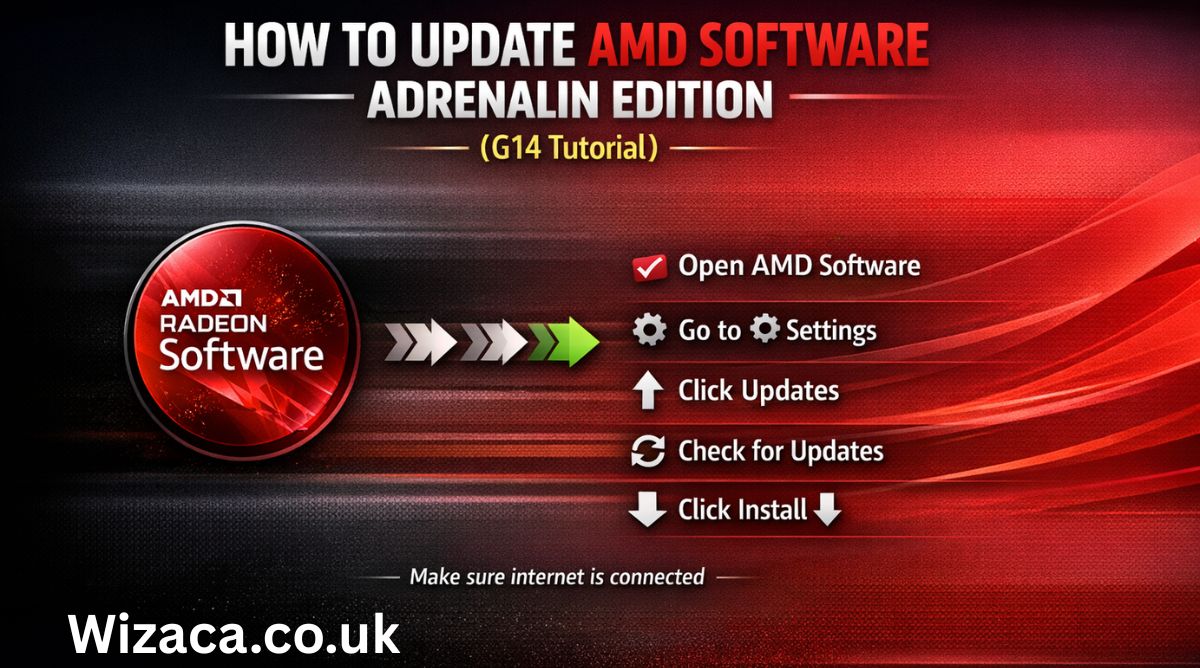
How to Update AMD Software Adrenalin Edition G14
-
 Technology7 hours ago
How to Set Honuras Time Zone on a WR20BAR G-Shock
Pingback: Does A Bad Catalytic Converter Smell? - Wizaca