
Automotive
Does a Muffler Delete Void Warranty on a Camry?

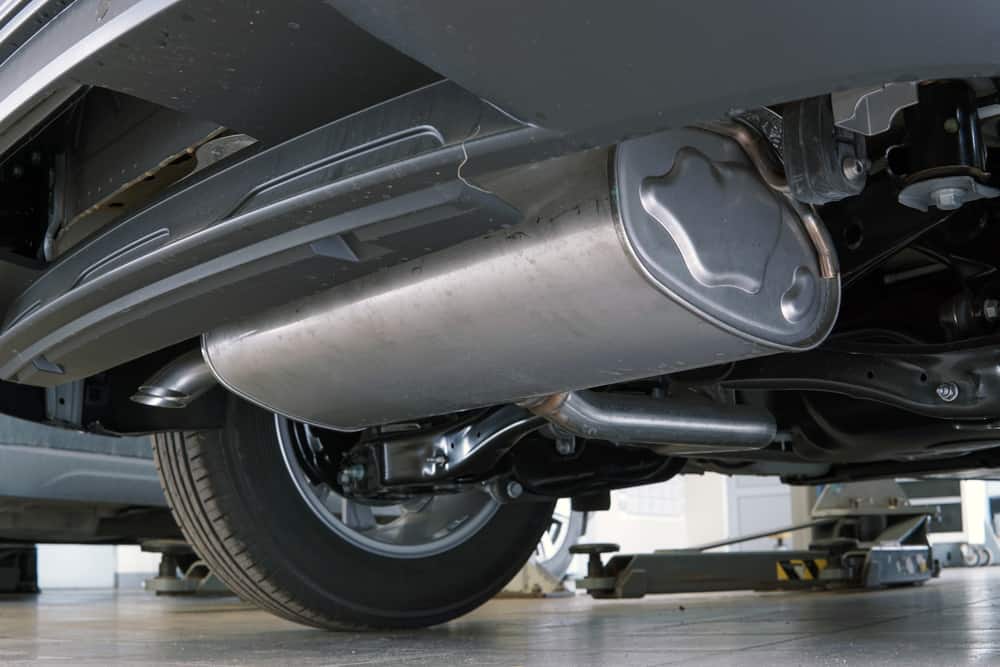
Not automatically, but a muffler delete on your Toyota Camry could potentially impact your warranty—specifically if a problem arises and the dealer or manufacturer determines the muffler delete caused or contributed to the issue. According to the Magnuson-Moss Warranty Act, your warranty cannot be voided simply because you modified your exhaust. However, any damage directly linked to the muffler delete may not be covered.
Here’s a detailed breakdown of how a muffler delete could affect your warranty and what you need to know before making the modification.
What Is a Muffler Delete?
A muffler delete involves removing the muffler from your vehicle’s exhaust system. People often do this to:
- Make the exhaust louder
- Potentially reduce backpressure (though benefits are minimal on most stock engines)
- Give the car a sportier sound
On a Toyota Camry, especially newer models, the muffler plays a role in reducing exhaust noise while maintaining emissions compliance and vehicle comfort.
Does a Muffler Delete Void Your Entire Warranty?
No.
A muffler delete doesn’t automatically void your entire vehicle warranty. Under federal law (Magnuson-Moss Warranty Act in the U.S.):
- A dealer must prove that your modification caused the failure or problem before they can deny warranty coverage for that issue.
For example:
- If you delete your muffler and later have an issue with your radio, your warranty coverage on the radio remains intact.
- But if your engine performance, exhaust system, or emissions components fail, and the dealer claims the muffler delete contributed to the failure, they may deny warranty coverage for those parts.
Which Parts of the Warranty Can a Muffler Delete Affect?
1. Exhaust System
- If your Camry experiences issues with the exhaust system—like leaks, rust, or sensor malfunctions—the dealer may argue the muffler delete caused or contributed to the damage.
2. Emissions System
- A muffler delete could interfere with emissions controls. While the muffler itself isn’t part of emissions regulation (the catalytic converter is), dealers may claim the modification impacts emissions performance, especially if there are issues with O2 sensors or the catalytic converter.
- In some regions, removing exhaust components may also violate emissions regulations, making the car illegal for street use.
3. Engine Performance
- While unlikely, a muffler delete could theoretically cause problems with backpressure or exhaust flow on a stock engine. If you experience engine performance issues, the dealer may blame the modification and deny warranty coverage.
Things to Consider Before Doing a Muffler Delete on a Camry
1. Warranty Risks
- If your car is still under warranty (basic warranty or powertrain), you’re taking a risk by deleting the muffler. Any claims related to the exhaust or engine might be harder to get approved.
2. Emissions Laws
- Some states (like California) have strict emissions regulations. A muffler delete may make your Camry illegal for street use, even if it passes emissions tests.
3. Noise Laws
- Many areas have noise ordinances. A muffler delete can make your car significantly louder, potentially resulting in fines or failed inspections.
How to Protect Your Warranty If You Do a Muffler Delete
1. Keep Original Parts
- Hang on to your stock muffler. If you need to bring your Camry in for warranty work, you can reinstall the factory exhaust to avoid questions.
2. Work With a Reputable Shop
- If you have the delete done professionally, ensure it’s clean, safe, and legal. A sloppy job could trigger additional issues.
3. Know Your Rights
- Remember, under the Magnuson-Moss Warranty Act, they must prove your modification caused the problem. They can’t void the entire warranty simply because you did a muffler delete.
Conclusion
A muffler delete on your Toyota Camry doesn’t automatically void the warranty, but it can jeopardize coverage on specific systems like the exhaust and emissions components. If a failure occurs and the dealer believes the muffler delete contributed to the issue, they could deny coverage for related repairs. Always weigh the risks before making modifications, especially if your car is still under warranty.
FAQs
Does a Muffler Delete Affect My Entire Camry Warranty?
No. It only risks coverage on parts that can be proven to be affected by the modification.
Will Toyota Know I Did a Muffler Delete?
Yes, if they inspect the vehicle or perform warranty work on the exhaust or engine systems.
Can I Reverse a Muffler Delete Before Service?
Yes. Reinstalling the stock muffler before warranty service can minimize questions or issues.
Does a Muffler Delete Affect Emissions?
Typically, no. The muffler doesn’t control emissions, but dealers may claim it impacts the system’s overall operation.
Should I Do a Muffler Delete on My Camry While It’s Under Warranty?
It’s a personal choice, but be aware of the potential warranty risks and legal concerns depending on where you live.
Also Check:
• Does a Catch Can Void Warranty?
• Does a Late Oil Change Void Warranty?
• Does A Flowmaster Muffler Increase Horsepower?

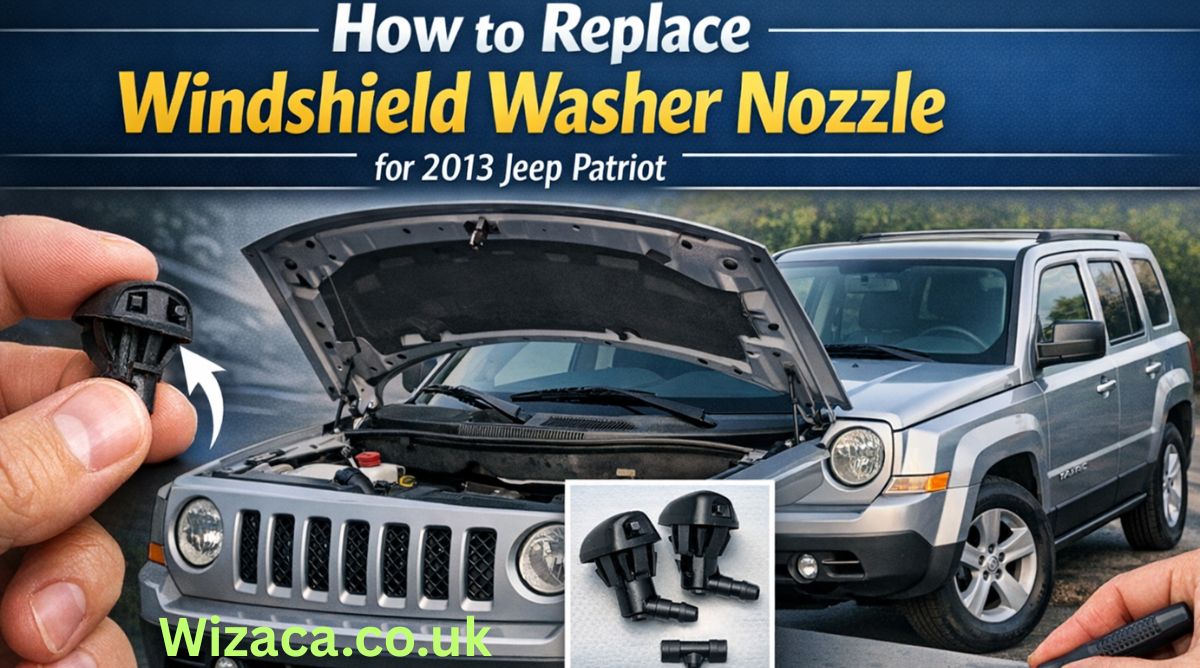
The 2013 Jeep Patriot is known for its rugged design, versatility, and ease of maintenance. One of the common maintenance tasks for the 2013 Jeep Patriot involves replacing the windshield washer nozzles. Windshield washer nozzles are small but critical components that ensure clear visibility by spraying washer fluid onto the windshield. Over time, these nozzles may become clogged, misaligned, or damaged, reducing their effectiveness. Knowing how to replace them properly not only restores optimal functionality but also contributes to overall vehicle safety. This article provides a detailed, step-by-step guide on how to replace the windshield washer nozzle for a 2013 Jeep Patriot, along with tips for maintenance and troubleshooting.
Understanding Windshield Washer Nozzles
Windshield washer nozzles are designed to direct washer fluid onto the windshield in a controlled spray pattern. They are connected to the washer fluid reservoir via flexible tubing and are usually mounted on the hood or the wiper arms. The 2013 Jeep Patriot uses dual nozzles positioned on the hood to ensure even coverage across the windshield. Over time, debris, dirt, or mineral deposits from the washer fluid can clog the nozzles. Physical damage from accidents, collisions, or hoods being struck during maintenance can also necessitate replacement. Understanding the structure and function of the nozzle helps ensure the replacement is done correctly and prevents future problems.
Tools and Materials Required
Before beginning the replacement process, it is important to gather all necessary tools and materials. For the 2013 Jeep Patriot, these typically include a flathead screwdriver, needle-nose pliers, a replacement windshield washer nozzle set compatible with the 2013 model, and optionally a small towel to catch washer fluid spills. Having the proper tools ensures that the replacement is efficient and avoids accidental damage to the hood, tubing, or other components. Ensuring the replacement nozzles are genuine or compatible with Jeep specifications guarantees proper fitment and spray performance.
Preparing the Vehicle
Safety and preparation are crucial steps before starting any maintenance task. Begin by parking the Jeep Patriot on a flat, stable surface and turning off the engine. Engage the parking brake to prevent accidental movement. Open the hood fully and secure it with the hood prop rod. It is advisable to wear gloves to protect your hands from washer fluid and sharp edges under the hood. Also, placing a small towel or rag beneath the nozzles can help catch any washer fluid that may spill during the replacement process, preventing staining on the engine or hood.
Locating the Windshield Washer Nozzles
The windshield washer nozzles on the 2013 Jeep Patriot are mounted on the hood, near the base of the windshield. Each nozzle connects to the washer fluid tubing that runs from the washer fluid reservoir. To locate the nozzles, visually inspect the hood and trace the tubing from the reservoir to the nozzle outlets. Identifying the correct nozzles ensures that the replacement targets the appropriate components and avoids unnecessary disassembly of other parts. Taking a photo of the existing setup before removal can serve as a reference during installation.
Removing the Old Nozzle
Once the nozzles are located, the next step is removal. Use a flathead screwdriver or needle-nose pliers to gently pry the nozzle from its mounting hole on the hood. Be careful not to scratch or dent the hood surface. Detach the washer fluid tubing connected to the nozzle by pressing on the release clip or carefully pulling it off. Keep track of the tubing orientation, as reinstalling it incorrectly can affect spray direction and functionality. In some cases, debris may have accumulated around the nozzle, so cleaning the area with a damp cloth ensures a smooth fit for the new nozzle.
Inspecting and Cleaning the Tubing
Before installing the new nozzle, inspect the washer fluid tubing for any cracks, blockages, or damage. Clogged tubing can reduce fluid flow even after nozzle replacement. If necessary, flush the tubing with clean water or compressed air to remove any debris. Ensuring that the tubing is clean and intact prevents future issues and prolongs the life of the new nozzle. Also, check the washer fluid reservoir for adequate fluid levels and clean the reservoir cap to prevent contamination.
Installing the New Nozzle
Installation of the new windshield washer nozzle is straightforward but requires precision. Insert the nozzle into the hood mounting hole, ensuring it snaps securely into place. Reconnect the washer fluid tubing to the new nozzle, making sure it is firmly attached. The orientation of the nozzle should align with the windshield to produce an even spray pattern. Gently test the nozzle to verify that it fits snugly without tilting or wobbling. Proper installation prevents leaks, misdirected sprays, and damage during hood closure.
Testing the New Nozzle
After installing the new nozzles, testing is essential to confirm correct functionality. Fill the washer fluid reservoir if necessary and activate the windshield washer system from the control stalk inside the vehicle. Observe the spray pattern and coverage on the windshield. Adjust the nozzle angle if needed by gently moving the nozzle tip with a small tool or your fingers to ensure even fluid distribution. Ensuring that both nozzles provide consistent coverage across the windshield enhances visibility and driver safety.
Common Issues and Troubleshooting
Even after replacement, some issues may arise. If the nozzles do not spray properly, check for blockages in the tubing or incorrect nozzle alignment. Air bubbles in the tubing can sometimes prevent proper fluid flow; running the washer system for a few seconds often resolves this. Ensure that the washer fluid pump is functioning correctly and that the reservoir contains sufficient fluid. Re-check the connections to confirm that they are secure and free from leaks. Regular inspection and maintenance can prevent these common issues and maintain optimal performance.
Tips for Maintaining Windshield Washer Nozzles
Maintaining the windshield washer nozzles of your 2013 Jeep Patriot is crucial for long-term functionality. Use filtered or distilled washer fluid to prevent mineral buildup that can clog nozzles. Avoid using the washer system on dry glass, as debris or dirt can scratch the windshield and damage the nozzle tip. Regularly inspect the nozzles for cracks or misalignment, especially after extreme weather conditions or car washes. Keeping the hood and nozzle area clean prevents debris accumulation and ensures consistent performance.
When to Replace Windshield Washer Nozzles
Understanding when to replace the nozzles can save time and prevent driving hazards. Replace nozzles if the spray pattern becomes irregular, if fluid leaks from the nozzle base, or if physical damage is visible. Clogged nozzles that cannot be cleaned effectively also require replacement. Timely replacement ensures that the windshield washer system functions correctly, contributing to safer driving conditions, particularly during rain, snow, or dusty environments.
Advantages of Proper Nozzle Replacement
Replacing windshield washer nozzles properly offers several advantages. It restores clear visibility by ensuring an even spray of washer fluid, improves overall vehicle safety, and prevents long-term damage to the windshield caused by improper cleaning. Additionally, proper installation avoids unnecessary strain on the washer pump and extends the lifespan of the entire windshield washer system. Ensuring correct function also provides peace of mind during travel and enhances the overall maintenance of the 2013 Jeep Patriot.
Conclusion
Replacing the windshield washer nozzle for a 2013 Jeep Patriot is a straightforward maintenance task that significantly impacts vehicle safety and visibility. By understanding the function of the nozzles, gathering the necessary tools, preparing the vehicle, carefully removing the old nozzles, inspecting and cleaning tubing, installing new nozzles, and thoroughly testing them, Jeep owners can maintain an effective washer system. Regular inspection and proper maintenance prevent future problems and ensure that the windshield remains clean and clear under all driving conditions. Following these steps ensures that the windshield washer system operates reliably and provides the safety benefits intended by the vehicle’s design. Proper care of this small but essential component demonstrates attention to vehicle maintenance and contributes to the longevity and performance of the 2013 Jeep Patriot.
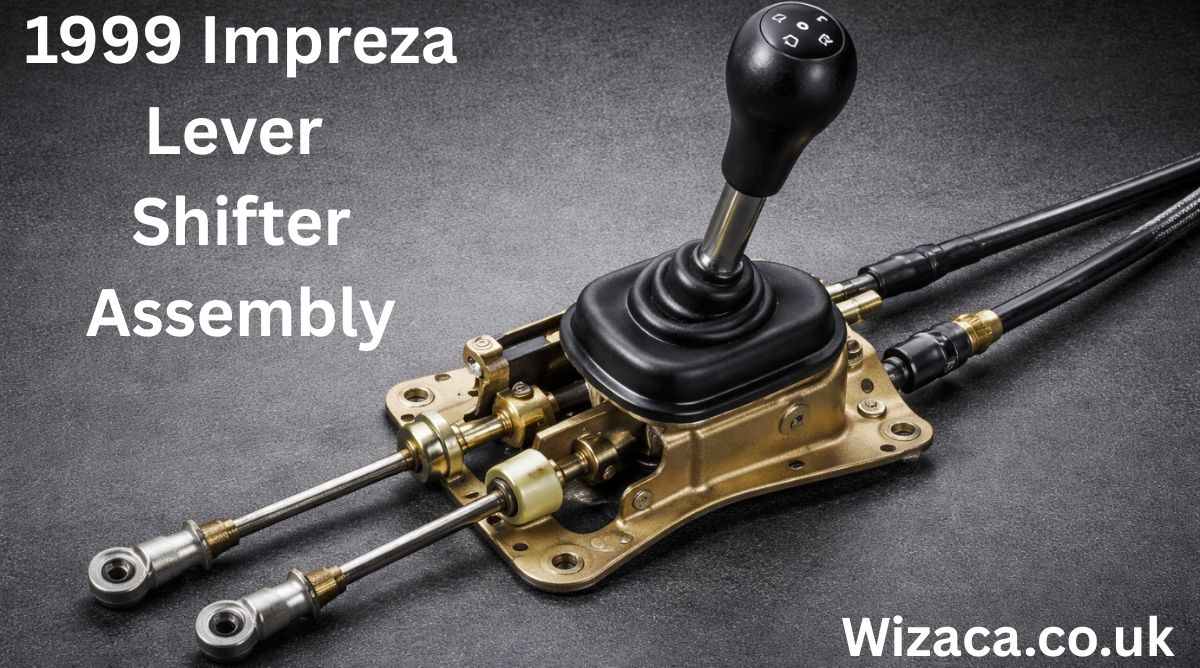
The 1999 Impreza lever shifter assembly is a critical mechanical component that directly affects how the driver interacts with the vehicle’s transmission. In manual transmission models especially, the shifter assembly plays a major role in gear selection, driving comfort, responsiveness, and overall driving feel. Understanding how this assembly works, its components, common issues, maintenance needs, and upgrade possibilities is essential for owners, mechanics, and automotive enthusiasts.
Introduction to the 1999 Impreza Lever Shifter Assembly
The lever shifter assembly is the physical mechanism that connects the driver’s hand movements to the transmission. In the 1999 Impreza, this system was designed with durability and simplicity in mind, balancing cost-effective engineering with reliable performance.
Although it may appear simple from the cabin, the shifter assembly is a carefully engineered system involving multiple mechanical parts working together to ensure smooth and accurate gear changes.
Importance of the Shifter Assembly in Vehicle Operation
The shifter assembly is essential because it translates driver input into mechanical action within the transmission. A properly functioning shifter ensures accurate gear engagement, minimizes wear, and enhances driving control.
Key roles of the shifter assembly include:
- Selecting gears accurately
- Providing tactile feedback to the driver
- Maintaining alignment with transmission linkages
Any issue in this system can significantly affect drivability.
Overview of the 1999 Impreza Transmission System
The 1999 Impreza commonly came with a manual transmission option, making the lever shifter assembly especially important. The shifter does not directly engage gears but operates through linkages that connect to the transmission selector mechanism.
This indirect system allows flexibility, vibration isolation, and smoother shifting under varying driving conditions.
Main Components of the Lever Shifter Assembly
The lever shifter assembly is composed of several interconnected parts, each serving a specific function.
Primary components include:
- Shift lever
- Pivot ball
- Bushings
- Shift linkage rods
- Retaining clips and fasteners
Each part must function correctly for smooth gear selection.
The Shift Lever Design and Function
The shift lever is the visible and most frequently used part of the assembly. In the 1999 Impreza, the lever is typically made of metal for strength and durability.
The lever’s length and angle influence:
- Shift throw distance
- Driver comfort
- Shift precision
A balanced design ensures ease of use and responsiveness.
Pivot Ball and Its Mechanical Role
The pivot ball sits near the base of the shift lever and allows it to move freely in multiple directions. This spherical joint is critical for enabling the lever to engage different gear positions.
Wear in the pivot ball can cause:
- Excessive play
- Loose shifting feel
- Reduced accuracy
Proper lubrication and fit are essential.
Bushings and Their Importance
Bushings are small components, often made of rubber or plastic, that reduce vibration and friction between moving parts.
In the 1999 Impreza shifter assembly, bushings:
- Isolate vibrations from the transmission
- Improve shift smoothness
- Maintain proper alignment
Over time, worn bushings are one of the most common causes of sloppy shifting.
Shift Linkage Rods Explained
The shift linkage rods connect the lever assembly to the transmission selector shaft. These rods transmit motion and determine how accurately gear changes occur.
Properly aligned linkage rods ensure:
- Precise gear engagement
- Reduced transmission wear
- Consistent shifting behavior
Bent or worn rods can lead to misalignment.
Retaining Clips and Mounting Hardware
Small but crucial, retaining clips and fasteners keep the assembly securely connected. These parts prevent unwanted movement and maintain structural integrity.
Failure of clips or fasteners can cause:
- Sudden loss of shift control
- Increased noise
- Unsafe driving conditions
They must always be properly installed.
How the Lever Shifter Assembly Works
When the driver moves the shift lever, the motion pivots around the pivot ball and transfers through the linkage rods to the transmission. The transmission then engages the selected gear.
This process requires:
- Precise alignment
- Minimal friction
- Secure mounting
Any looseness reduces shift quality.
Driving Feel and Shift Feedback
The 1999 Impreza is known for offering a relatively direct and mechanical shift feel. The lever shifter assembly plays a major role in this characteristic.
Good shift feedback provides:
- Confidence during gear changes
- Better control during spirited driving
- Clear indication of gear engagement
Worn components reduce this feedback.
Common Wear Issues in the Shifter Assembly
Over time, normal use causes wear in various parts of the shifter assembly.
Common wear-related problems include:
- Loose or sloppy shifter
- Difficulty engaging certain gears
- Increased vibration
These issues often develop gradually.
Symptoms of a Failing Shifter Assembly
Drivers may notice several signs indicating shifter assembly problems.
Typical symptoms include:
- Excessive side-to-side movement
- Grinding during gear changes
- Unusual noises when shifting
Early diagnosis helps prevent further damage.
Causes of Shifter Assembly Problems
Several factors contribute to wear and failure.
Common causes include:
- High mileage
- Aggressive shifting habits
- Lack of maintenance
Environmental factors such as dirt and moisture can also accelerate wear.
Inspection of the Lever Shifter Assembly
Regular inspection helps identify issues before they become severe.
Inspection typically involves:
- Checking for looseness
- Inspecting bushings for cracks
- Ensuring fasteners are secure
A visual and physical inspection can reveal many issues.
Maintenance Practices for Longevity
Proper maintenance extends the life of the shifter assembly.
Recommended practices include:
- Periodic lubrication
- Replacing worn bushings
- Tightening loose components
Preventive maintenance improves shifting quality.
Lubrication Requirements
Lubrication reduces friction between moving parts and prevents premature wear.
Proper lubrication:
- Improves smoothness
- Reduces noise
- Protects metal surfaces
Using appropriate lubricants is essential.
Replacement of Worn Bushings
Bushing replacement is one of the most effective ways to restore shift feel.
Benefits of new bushings include:
- Reduced play
- Improved precision
- Enhanced driving experience
This is a common maintenance task.
Adjustment of the Shifter Assembly
Proper adjustment ensures correct alignment between the lever and transmission.
Adjustment improves:
- Gear engagement accuracy
- Shift smoothness
- Driver confidence
Misadjustment can cause gear selection issues.
Removal of the Lever Shifter Assembly
Removing the shifter assembly typically involves accessing it from inside the cabin and underneath the vehicle.
Careful removal prevents:
- Damage to components
- Loss of small hardware
- Misalignment during reinstallation
Attention to detail is critical.
Reinstallation and Alignment
Correct reinstallation ensures proper function.
Key steps include:
- Aligning linkage rods
- Securing all fasteners
- Verifying gear engagement
Improper installation can worsen shifting issues.
Aftermarket vs Stock Shifter Assemblies
Some owners choose aftermarket components to improve shift performance.
Differences include:
- Shorter shift throws
- Firmer feel
- Increased precision
However, stock assemblies prioritize comfort and longevity.
Impact of Driving Style on Shifter Wear
Driving habits significantly affect shifter assembly lifespan.
Aggressive shifting can:
- Accelerate bushing wear
- Stress linkage components
- Increase maintenance needs
Smooth shifting extends component life.
Cold Weather Effects on the Shifter Assembly
Cold temperatures can stiffen lubricants and bushings.
Cold weather effects include:
- Increased shift resistance
- Delayed smoothness
- Temporary stiffness
Proper lubrication helps mitigate this.
Noise and Vibration Issues
Noise or vibration during shifting often indicates worn or loose components.
Common sources include:
- Worn bushings
- Loose mounting points
- Dry pivot joints
Addressing noise early prevents further damage.
Safety Considerations
A faulty shifter assembly can pose safety risks.
Potential risks include:
- Inability to select gears
- Unexpected gear disengagement
- Loss of vehicle control
Prompt repair is essential for safe driving.
Cost Factors Associated with Shifter Repairs
Repair costs vary depending on the components involved.
Factors affecting cost include:
- Extent of wear
- Replacement parts required
- Labor complexity
Preventive maintenance reduces expenses.
Restoration of Original Shift Feel
Many owners aim to restore the factory shift feel of the 1999 Impreza.
Restoration typically involves:
- Replacing worn components
- Proper lubrication
- Correct alignment
This returns the vehicle to its intended driving experience.
Long-Term Reliability of the Shifter Assembly
With proper care, the original shifter assembly can last many years.
Long-term reliability depends on:
- Maintenance habits
- Driving conditions
- Component quality
Durability is a key strength of the design.
Compatibility with Other Impreza Models
Some components may be shared with other Impreza years, but differences exist.
Compatibility considerations include:
- Design variations
- Mounting differences
- Linkage length
Correct parts selection is important.
Benefits of a Well-Maintained Shifter Assembly
A properly maintained assembly offers numerous advantages.
Benefits include:
- Smooth gear changes
- Improved control
- Enhanced driving enjoyment
Maintenance directly improves performance.
Driving Experience and Driver Confidence
A responsive shifter enhances driver confidence, especially in manual transmissions.
Confidence improves:
- Driving precision
- Enjoyment
- Overall vehicle control
The shifter is central to this experience.
Mechanical Simplicity of the 1999 Impreza Design
The 1999 Impreza lever shifter assembly reflects a mechanically simple yet effective design.
Simplicity offers:
- Easier maintenance
- Fewer failure points
- Long-term durability
This is one reason for its popularity.
Final Thoughts on the 1999 Impreza Lever Shifter Assembly
The 1999 Impreza lever shifter assembly is a vital mechanical system that directly influences driving quality, control, and safety. Although it may not receive as much attention as the engine or transmission, its condition has a major impact on the overall driving experience.
Understanding its components, operation, common issues, and maintenance requirements allows owners to keep their vehicle performing at its best. With regular inspection, proper lubrication, and timely replacement of worn parts, the shifter assembly can continue to deliver smooth, precise, and reliable gear changes for many years.
Understanding who owns Lee Slenbacker Joppa Transmission Repair has become a topic of interest among vehicle owners in Maryland. For many drivers, finding a trustworthy local mechanic is more valuable than choosing a large franchise. Ownership, reputation, and quality of service all play a part in how customers decide where to take their cars for repairs.
This article explores the background, ownership, and value of Lee Slenbacker Joppa Transmission Repair, while highlighting why local auto repair shops matter to the community and how they differ from big-name garages.
The Background of Joppa Transmission Repair
Located in Joppa, Maryland, this small but reliable auto repair shop has earned local recognition for its specialized work in repairing transmission systems. Transmission repair is one of the most technically demanding fields in automotive service, and not every mechanic is equipped to handle it.
Transmission issues can cause slipping gears, rough shifting, and reduced vehicle performance. Because of this, car owners often turn to dedicated specialists rather than general mechanics. Over time, Joppa Transmission Repair became one such trusted name in the region, known for accuracy, honesty, and hands-on experience.
Who Is Lee Slenbacker?
Lee Slenbacker is believed to be the owner or primary operator of the Joppa Transmission Repair business. Like many independent mechanics, Slenbacker likely began his career as a technician or apprentice, learning the trade from the ground up.
Owners like Slenbacker often build their businesses on skill, trust, and community relationships rather than marketing or branding. Their clients usually return for years, not because of advertising, but because of the personal service and reliability that define small, owner-operated shops.
Such individuals represent the classic American small-business spirit — combining technical ability with a dedication to helping others.
Why Ownership Matters
Knowing who owns your local repair shop is more important than it seems. Ownership defines the business’s reputation, accountability, and customer service standards.
Local, independently owned repair shops like Joppa Transmission Repair typically offer:
- Direct interaction with the owner.
- Personalized attention to every vehicle.
- Flexible service options.
- Long-term trust built through consistency.
In contrast, large corporate chains tend to follow a fixed service model that can feel impersonal. Local ownership ensures that every customer receives honest feedback and solutions tailored to their car’s actual needs.
The Role of Transmission Repair in the Auto Industry
Transmission repair is one of the most technical areas of automotive maintenance. The transmission controls how power from the engine is delivered to the wheels, allowing the car to accelerate smoothly.
When a transmission fails, the entire vehicle’s performance suffers. Specialized shops like Joppa Transmission Repair are equipped to handle rebuilds, replacements, and fluid maintenance — jobs that require deep technical expertise and diagnostic precision.
Because of the complexity of these systems, transmission mechanics must stay updated with modern automotive technology, including computer-controlled gear systems and sensors.
Common Transmission Issues
Many car owners don’t realize how critical their transmission is until something goes wrong. Some of the most common signs of transmission problems include:
- Slipping gears or difficulty shifting.
- Fluid leaks beneath the car.
- Burning smells or grinding noises.
- Warning lights related to gear systems.
A shop like Joppa Transmission Repair, owned by someone with years of mechanical experience, is trained to identify these issues quickly and accurately, preventing further damage and costly replacements.
Customer Trust and Transparency
Independent auto repair shops often rely on personal relationships and transparent service. When the owner is present daily, customers can directly discuss their car’s condition and understand what repairs are necessary.
Transparency includes:
- Providing written estimates before starting work.
- Explaining repairs clearly.
- Offering warranty options.
For many, these qualities make small local shops preferable to large service centers, where customers may not even meet the mechanic working on their car.
Reputation and Local Impact
In smaller towns and communities, a repair shop’s reputation is everything. One dissatisfied customer can hurt business, while satisfied ones bring referrals that sustain growth.
If Lee Slenbacker Joppa Transmission Repair continues to receive praise, it’s a sign of long-term consistency, attention to detail, and strong ethics.
Locally owned shops also play an economic role — they employ residents, purchase parts from nearby suppliers, and keep money circulating within the community.
Challenges Faced by Independent Repair Shops
Even with local support, small repair businesses face increasing challenges. The rise of advanced vehicle technology, such as hybrid and electric drivetrains, demands ongoing training and new equipment investments.
Independent shops also face:
- Competition from national chains.
- Rising costs for replacement parts.
- Difficulty finding skilled young mechanics.
Despite these hurdles, experienced owners like Slenbacker continue to succeed because of their integrity, skill, and community reputation.
The Technical Side of Transmission Work
Repairing or rebuilding a transmission requires significant expertise. The process may include:
- Removing the transmission from the vehicle.
- Disassembling and cleaning internal components.
- Replacing worn-out clutches, seals, and bearings.
- Reassembling and testing for precision.
Few mechanics specialize in this field, making transmission specialists invaluable to the automotive industry.
Training and Experience of Skilled Mechanics
Mechanics who work on transmissions must understand both mechanical and electronic systems. Modern vehicles use sensors and computers to regulate gear shifting, so technicians must blend traditional mechanical skill with modern diagnostic software.
An owner like Lee Slenbacker likely ensures his team keeps up with these advancements through hands-on training and certifications.
The Difference Between Local and Chain Repair Shops
Corporate repair centers often follow strict pricing structures and may prioritize volume over quality. Local shops, however, operate differently — each job matters because the business’s name and reputation are on the line.
Customers of Joppa Transmission Repair benefit from:
- Personalized advice from the owner.
- Honest recommendations about repair versus replacement.
- A commitment to fixing the problem right the first time.
These qualities turn occasional customers into loyal, long-term clients.
Future of Transmission Repair
The automotive industry is evolving, with electric vehicles (EVs) becoming more common. While EVs don’t use traditional transmissions, they still have drivetrain components that require maintenance.
This evolution means that transmission repair specialists will adapt, expanding their skills to include electric and hybrid systems. Owners like Slenbacker who embrace new technologies will ensure their businesses remain relevant for years to come.
Why Supporting Local Mechanics Matters
Supporting small, owner-led shops like Lee Slenbacker Joppa Transmission Repair helps maintain diversity in the auto repair industry. These businesses represent passion, expertise, and dedication — values that can sometimes get lost in large corporate settings.
By choosing local mechanics, customers also support:
- Fair pricing.
- Honest service.
- Long-lasting community relationships.
Each visit contributes to the survival of family-run businesses that form the backbone of small-town America.
Final Thoughts
The question Who Owns Lee Slenbacker Joppa Transmission Repair highlights more than just a name — it represents the strength and tradition of local automotive craftsmanship.
In a world dominated by large service chains, independent shops like this remind us of the importance of personal accountability, trust, and skill. Behind every reliable repair job is an owner who stands by his work, serving his community with pride and integrity.
Whether it’s diagnosing a tricky gear issue or rebuilding a complex transmission, professionals like Lee Slenbacker keep vehicles — and communities — moving forward.

How to Replace Windshield Washer Nozzle for 2013 Jeep Patriot

How to Set Honuras Time Zone on a WR20BAR G-Shock

How to Sign Up on ETSGamevent
Can You Rent a Storage Unit for a Month?

Voiply vs Axvoice: A Detailed Comparison of Two Popular VoIP Phone Services

How to Value a Plumbing Business the Right Way
-
 Technology2 weeks ago
How to Use CPT Upgrade in gem5: Complete Step-by-Step Guide
-
 Home Improvement2 weeks ago
How to Switch Out HZ311 Thermostat for Ecobee Premium Thermostat
-
Gaming2 weeks ago
How to Sign Up on ETSGamevent
-
 Technology2 weeks ago
How to Tell a Bad Plate on Flex Printing
-
 Technology2 weeks ago
How to Update AMD Software Adrenalin Edition G14
-
 Technology14 hours ago
How to Set Honuras Time Zone on a WR20BAR G-Shock